

2onelab

3D printing post processing is essential to transform metal 3D-printed parts into high-performance, durable components. Using Selective Laser Melting (SLM) and Dlyte electropolishing, manufacturers achieve high-precision, mirror-like surfaces — even on complex geometries.

Learn more about achieving flawless finishes in the following.

Key Points in Brief:

  • What it is: Post processing transforms metal 3D-printed parts into finished, high-strength, precise components.
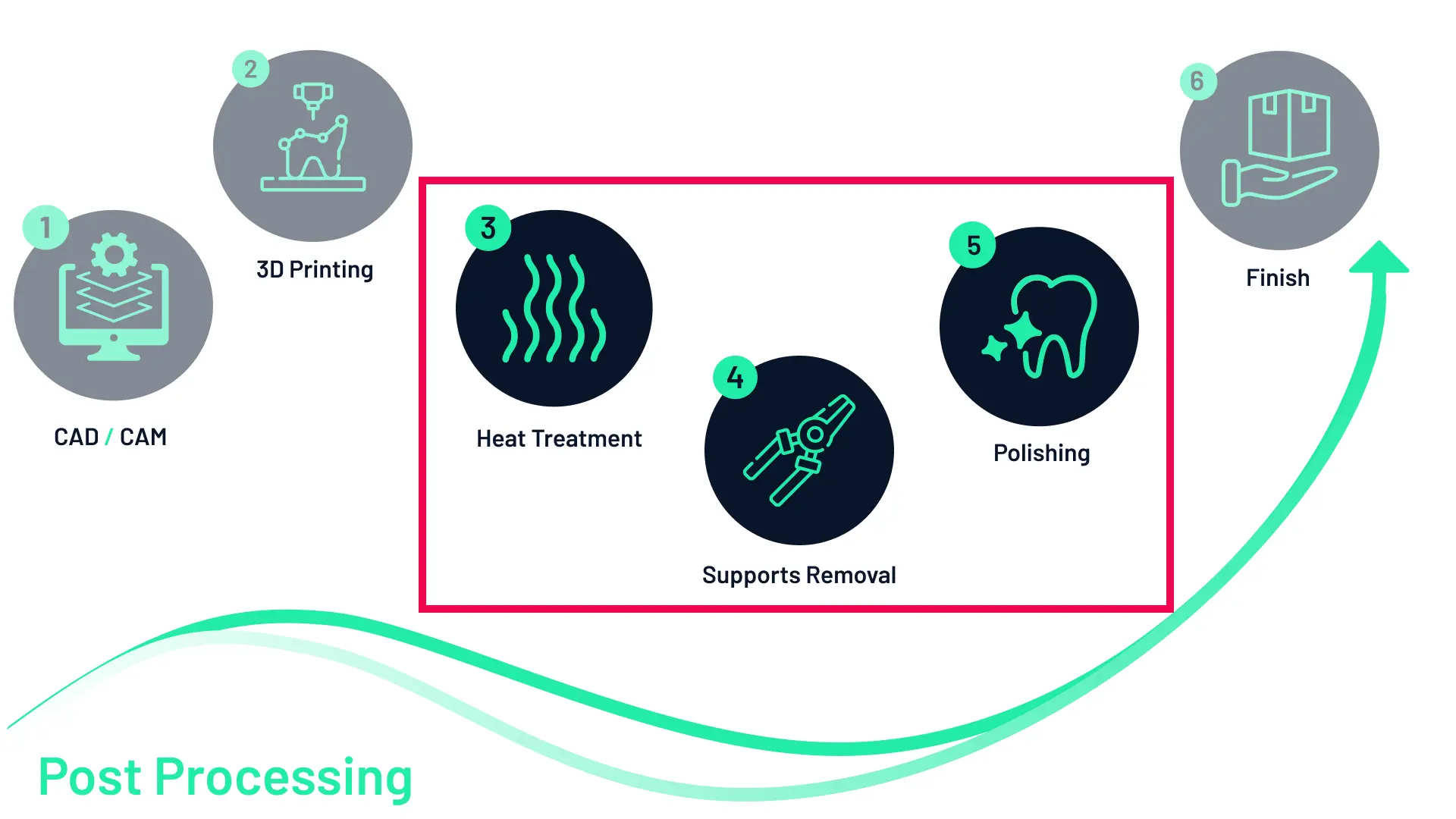
  • Typical steps: Heat treatment, support removal, and polishing/electropolishing.
  • Materials: Titanium, CoCr, and stainless steel are commonly used for high-strength, durable metal parts.
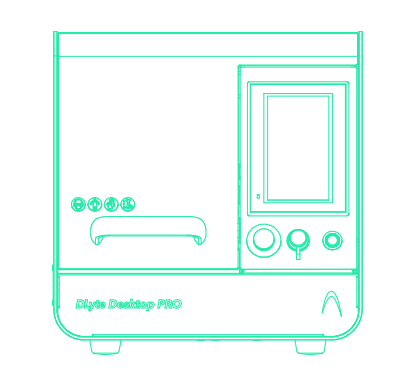
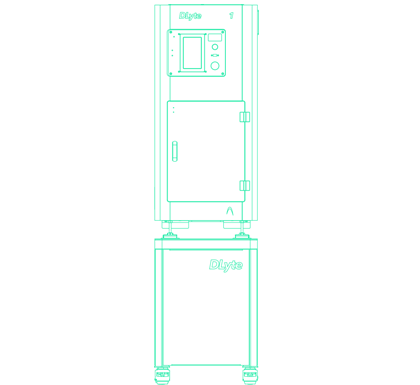
  • Applications & Machines: DLyte Desktop Pro and D1 are essential 3D printing post processing tools for dental, medical, jewelry, and small-batch components.
polished and not polished metal 3d printed part
Unpolished and polished part in comparison

Metal 3D Printing Post Processing

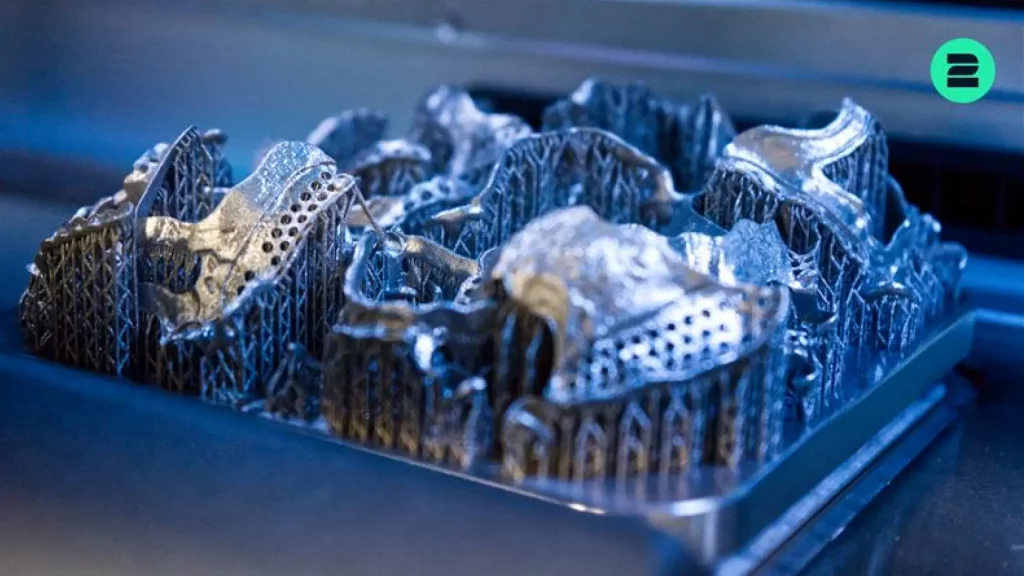
After metal parts are 3D-printed via SLM, metal 3D printing post processing begins. This stage ensures each component reaches mechanical strength, dimensional accuracy, and high-quality surfaces.

This process  includes:

2onelab`s post-processing with heat treatment, part/supports removal and polishing

Typical SLM Post Processing Steps

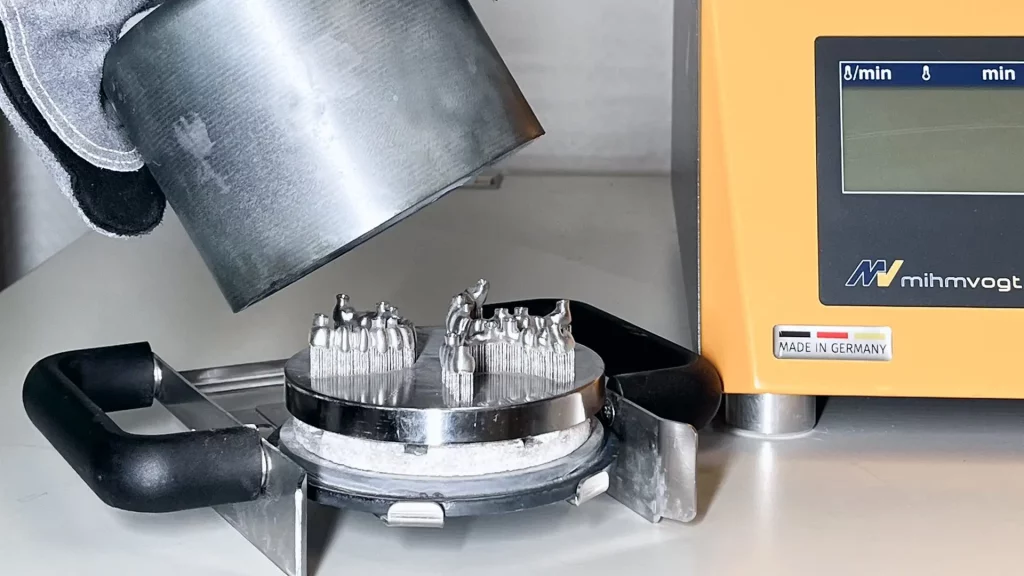
Heat treatment to relieve internal residual stresses in the component

1. Heat Treatment

Heat treatment strengthens 3D-printed parts by reducing internal stresses from the printing process, improving durability, mechanical performance, and structural reliability.

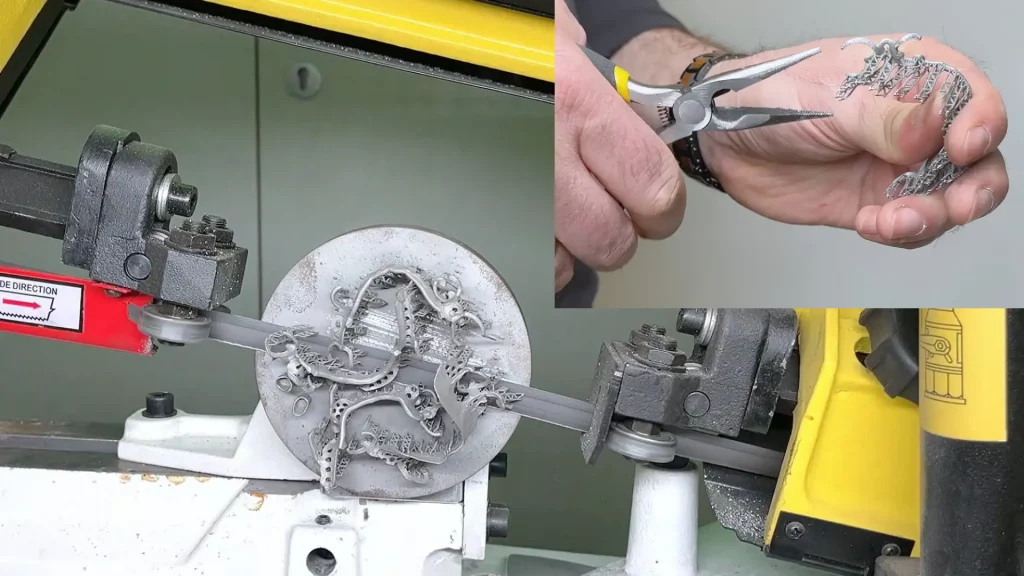
Removing the part with a bandsaw and the supports

2. Removing the Part & Supports Removal

After heat treatment (or annealing), the part is carefully removed from the build platform e.g. with a bandsaw, and all supports are taken off.

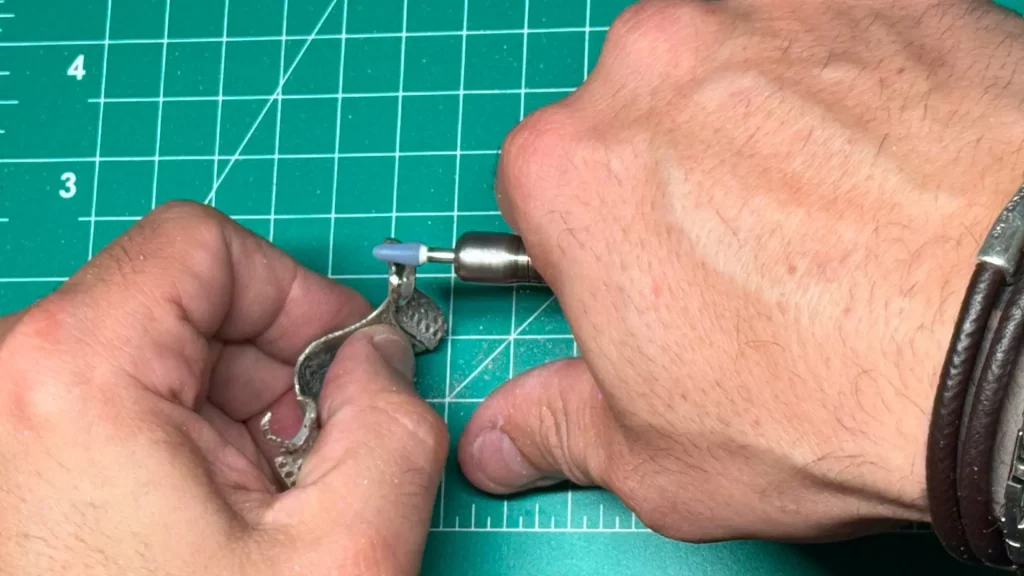
Milling and clean up of 3D printed part as preparation for polishing

Preparing for Polishing

Before a 3D-printed part is polished, it is important to remove all remaining support structures and ensure the part is fully cleaned.

Polishing

After the part has been removed from the build platform and all supports taken off, the next step is polishing to give it a smooth, high-quality surface.

Polishing process
Polishing process
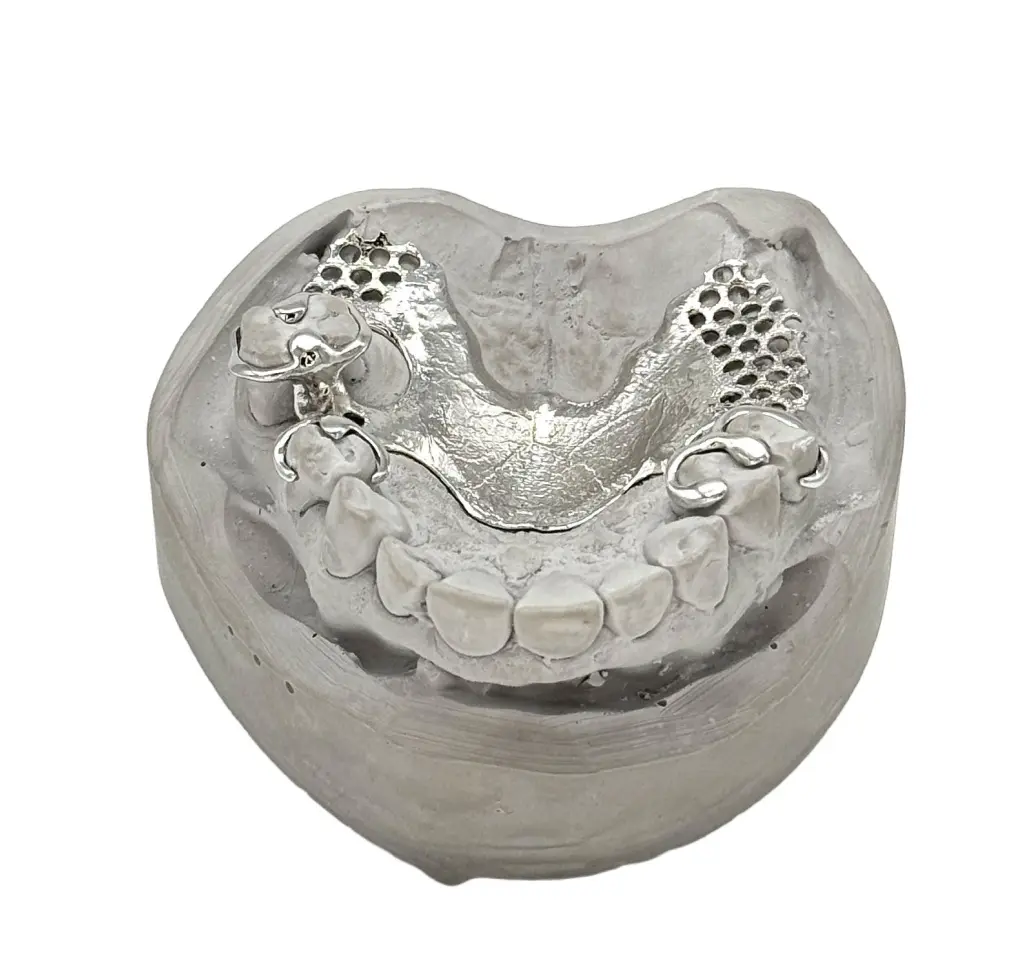
Polished partial on model
Finished partial after polishing

Post Processing 3D Prints

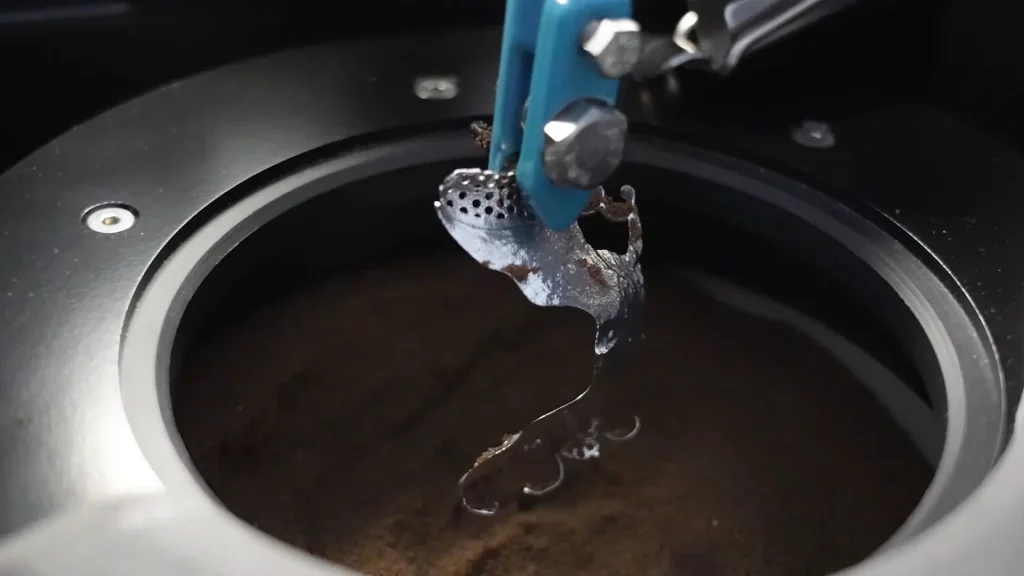
Polished with Dlyte Desktop Pro

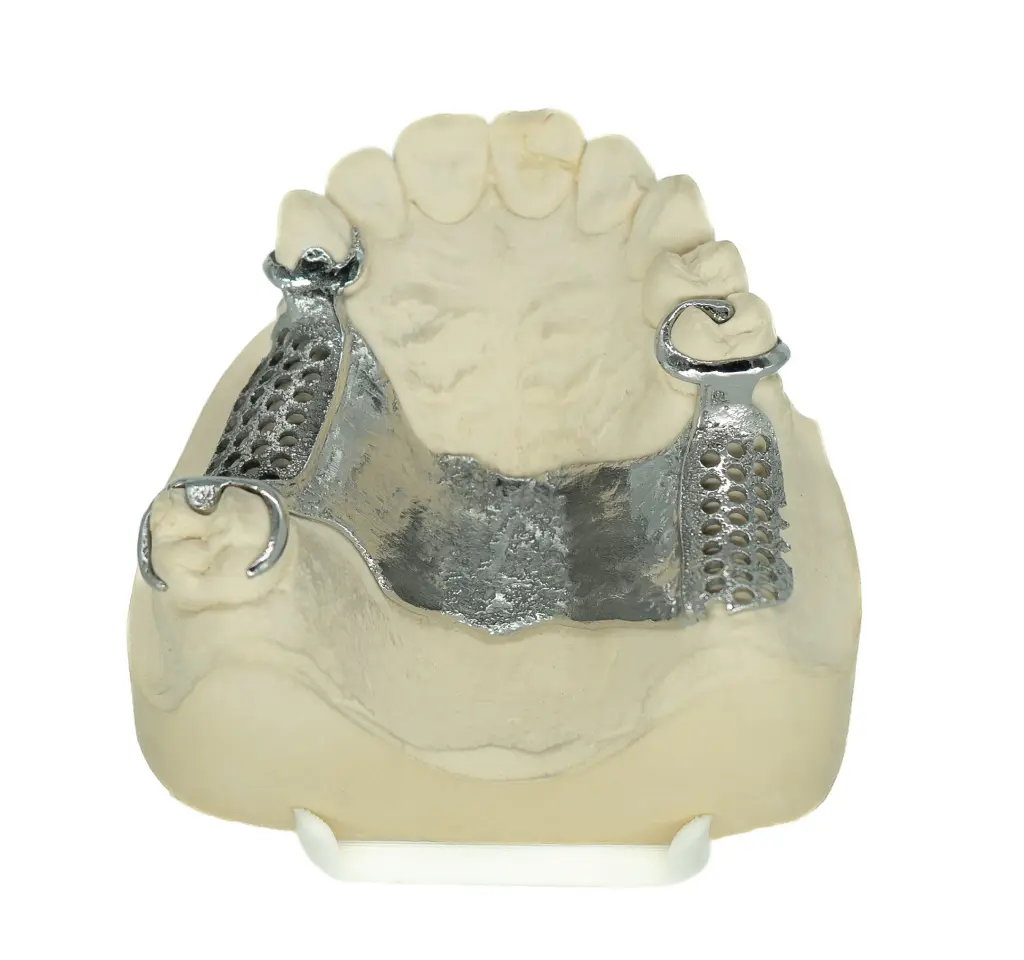
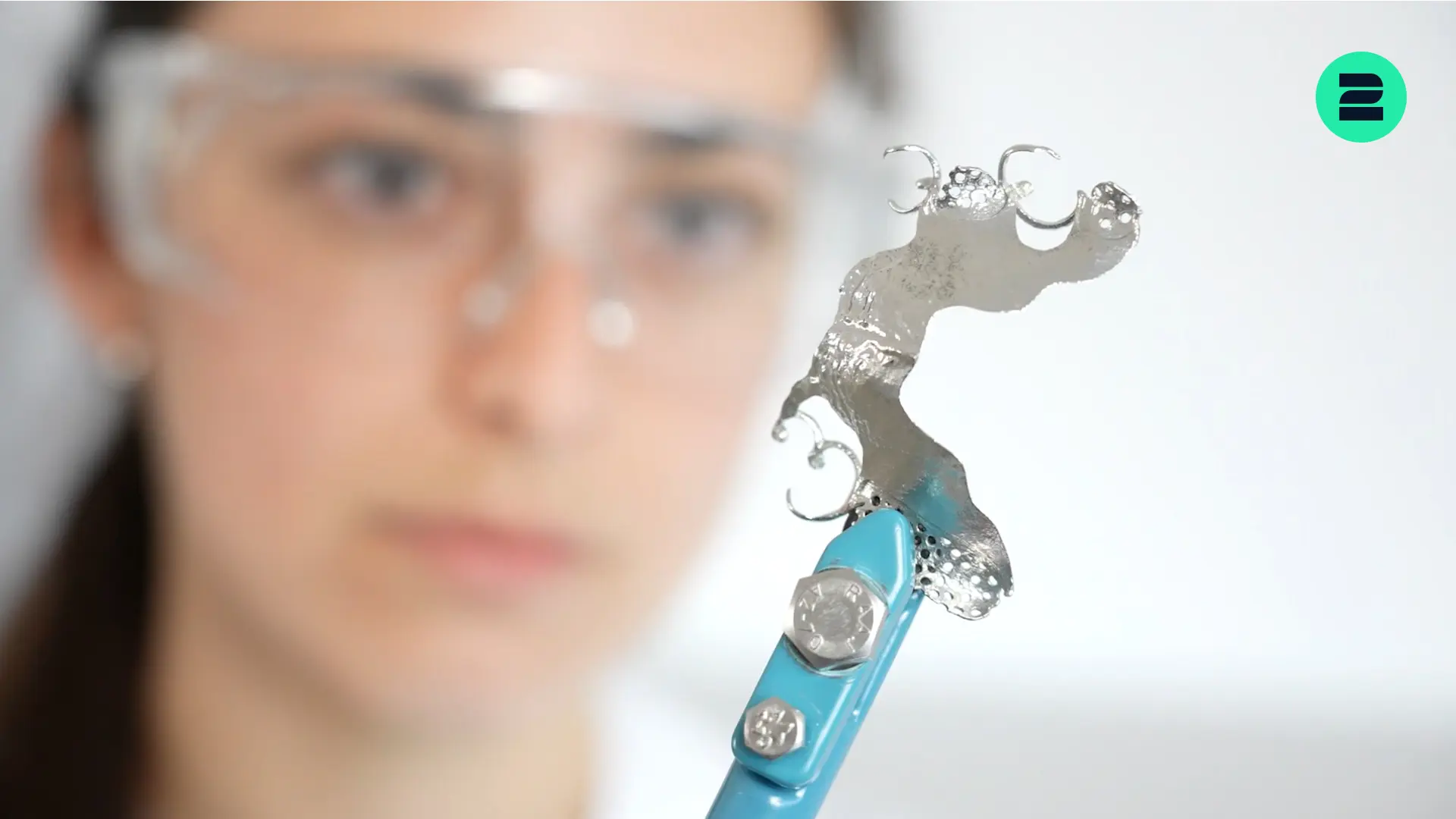
Polished RPD (CoCr)
Polished RPD (CoCr)
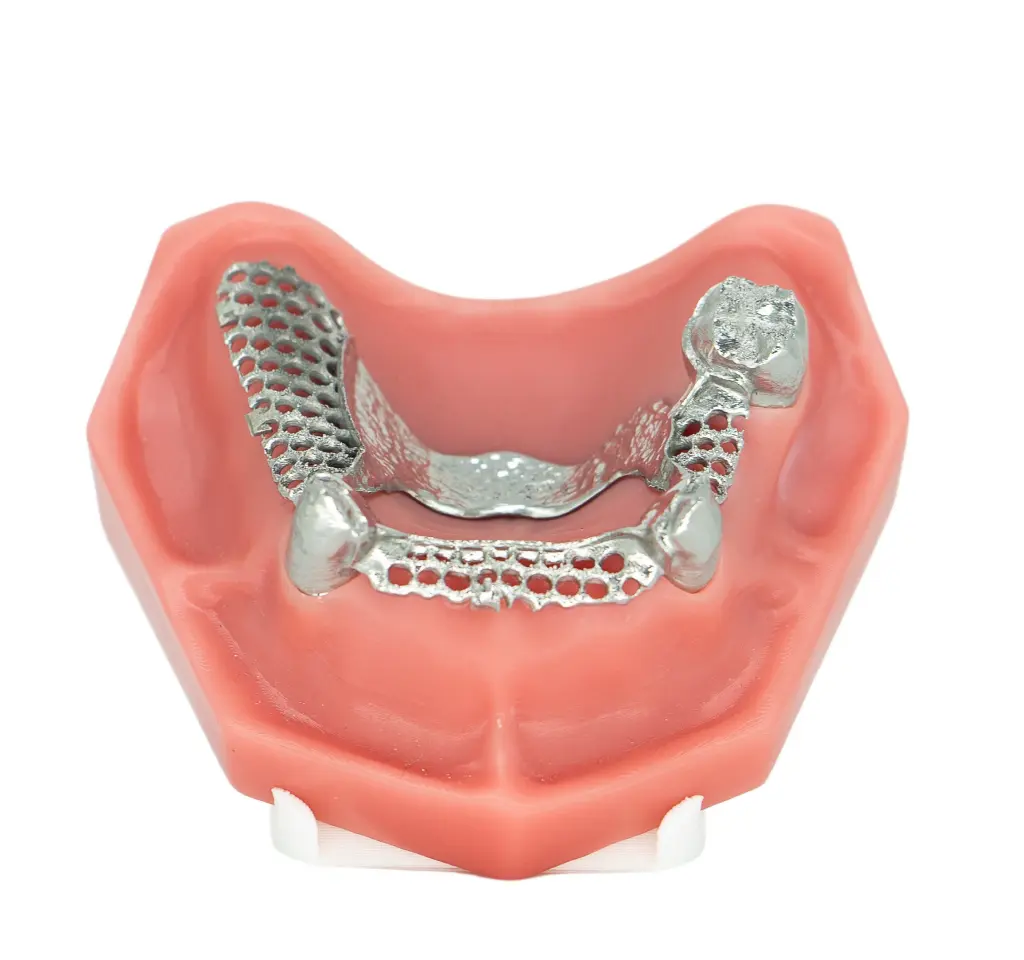
Polished Telescopic RPD (CoCr)

3D Metal Printing Surface Finish

DLyte provides a dry electropolishing process for precise, uniform polishing of metal 3D-printed parts. This method smooths only the raised areas, preserving edges and internal geometries, and ensures a high-quality 3D metal printing surface finish.

Benefits:

  • Mirror-like, corrosion-resistant surfaces
  • Improved fatigue strength
  • No dimensional changes

Learn more in the video and text below.

You are currently viewing a placeholder content from Default. To access the actual content, click the button below. Please note that doing so will share data with third-party providers.

More Information

Tiny, active particles in a specially designed electrolyte smooth only the raised areas of the surface, leaving edges, corners, and overall shapes untouched. Even tight spaces and internal corners are polished effortlessly.

This process delivers mirror-like, durable, and corrosion-resistant finishes, making it perfect for complex parts in aerospace, dentistry, medical, luxury, and laboratory applications.

Dlyte Electropolishing Machines

DLyte electropolishing machines provide precise and efficient finishing for metal 3D-printed parts in dental, medical, jewelry, research, and small-batch production.

Conclusion - Metal 3D Printing Post Processing

3D printing post processing transforms printed parts into high-performance metal components. Heat treatment, support removal, and polishing ensure strength, precision, and flawless surfaces.

With Dlyte dry electropolishing technology and machines such as the Desktop Pro and D1 , manufacturers achieve durable, mirror-like finishes, even on complex geometries.

Explore 2onelab`s Dental Digital Workflow to see how 3D printing post processing tools produce precise, durable, high-quality metal parts.

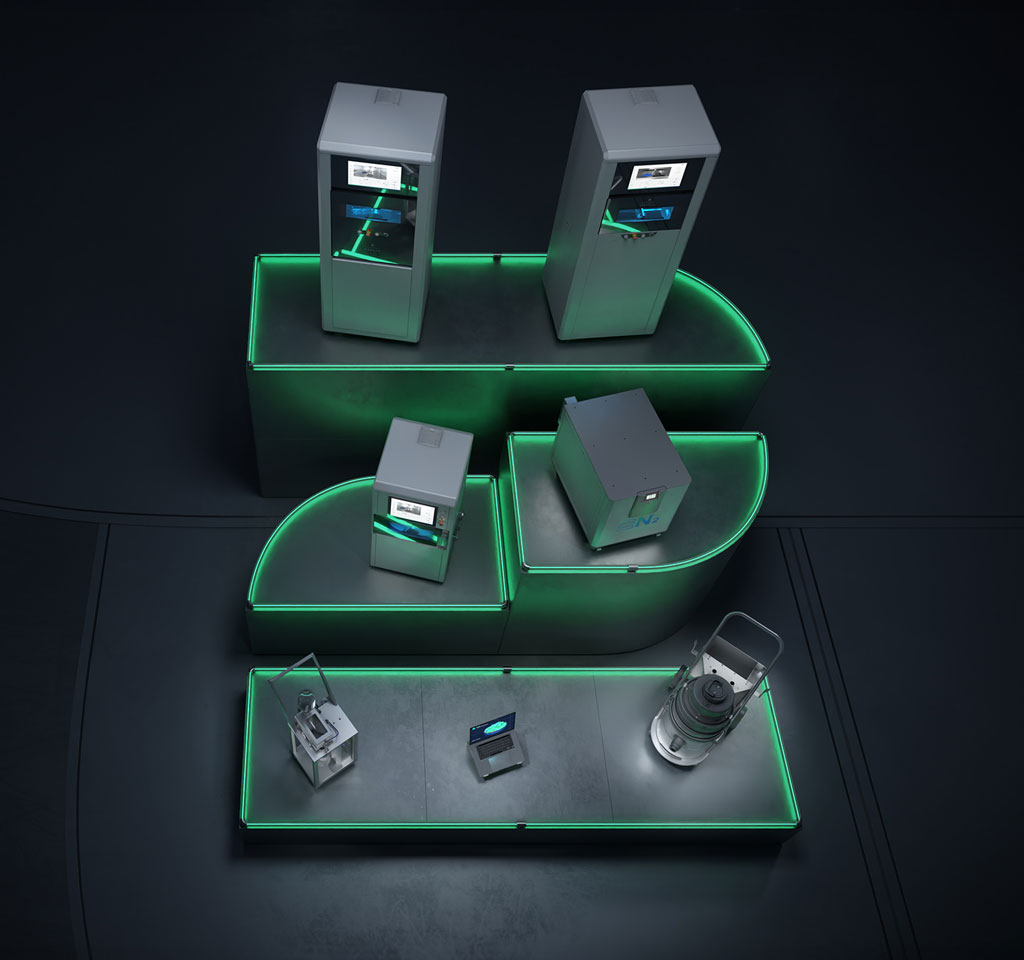
Explore the Full 2onelab Ecosystem

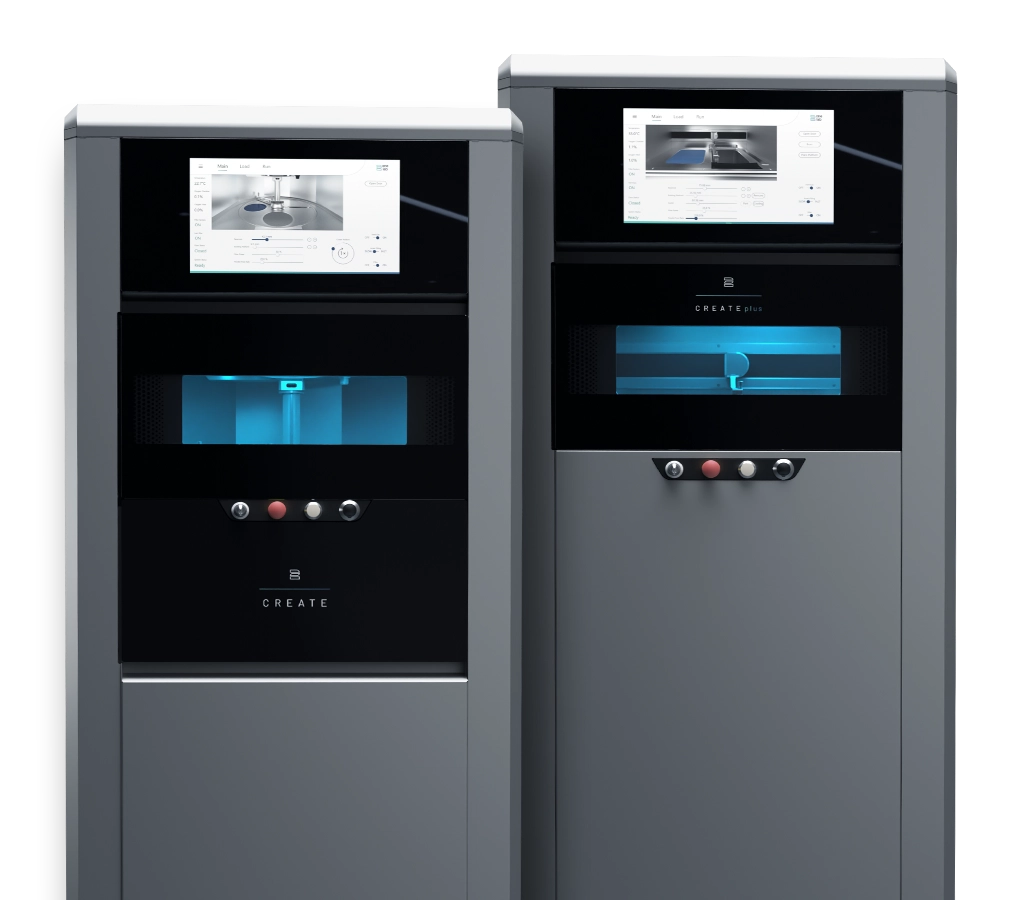
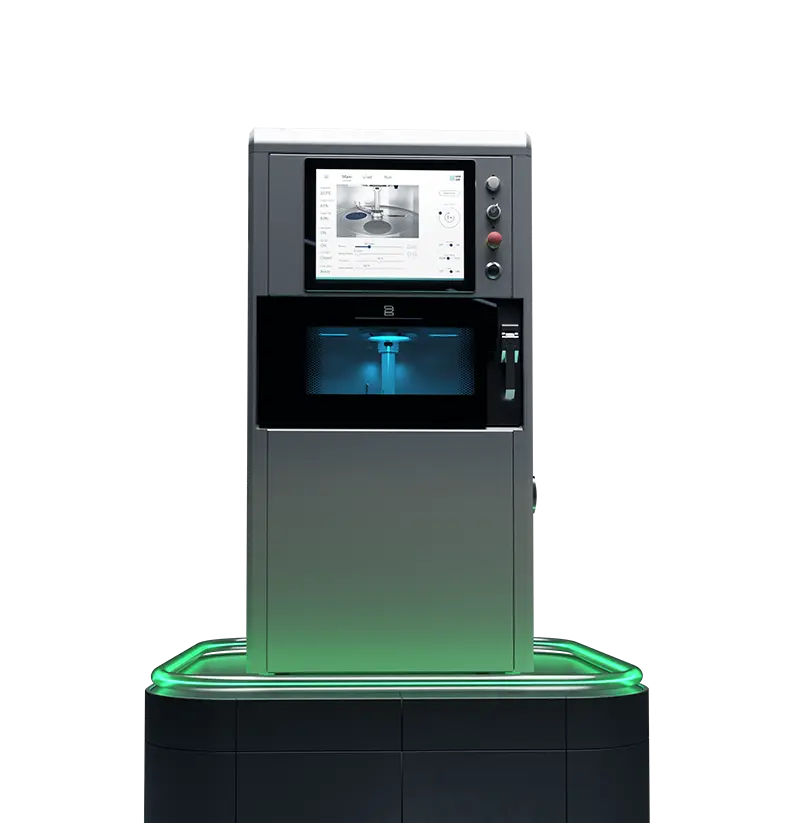
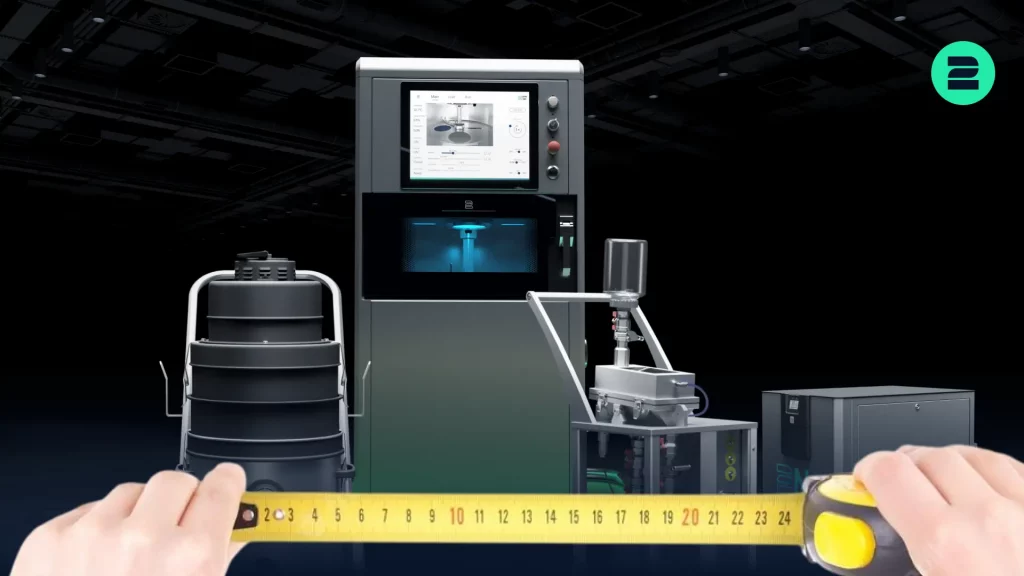
Our metal 3D printers 2Create, 2Create Desktop and 2Create Plus, driven by 2Build CAM software and essential equipment for a seamless workflow.

FAQ – Metal 3D Printing Post Processing

Metal 3D printing post processing is the set of steps applied to metal parts after printing to achieve final strength, accuracy, and surface quality. This typically includes heat treatment, support removal, and polishing, ensuring smooth, durable, and precise surfaces.

Post processing reduces internal stresses, removes supports, and polishes the part. Heat treatment strengthens the component, while polishing ensures smooth, precise, and durable surfaces.

Dlyte Dry Electropolishing is a precise process that smooths raised areas of metal parts to create durable, mirror-like 3D metal printing surface finishes without changing dimensions.

Dlyte electropolishing machines, Desktop Pro and D1, deliver consistent, high-precision finishing, improving fatigue and corrosion resistance across metals like CoCr, titanium, stainless steel, copper, and nickel — ideal for dental, medical, jewelry, research, and small-batch production.

2onelab`s Dental Digital Workflow includes the following 3D printing post-processing tools: heat treatment furnaces, polishing machines for smooth, mirror-like surfaces, and powder handling systems 2Sieve and 2Clean, ensuring precise, durable, and high-quality metal parts.

8 Tips for High-Quality Parts

8 tips on powder, protective gas, build platform, part orientation and more  for high-quality parts!