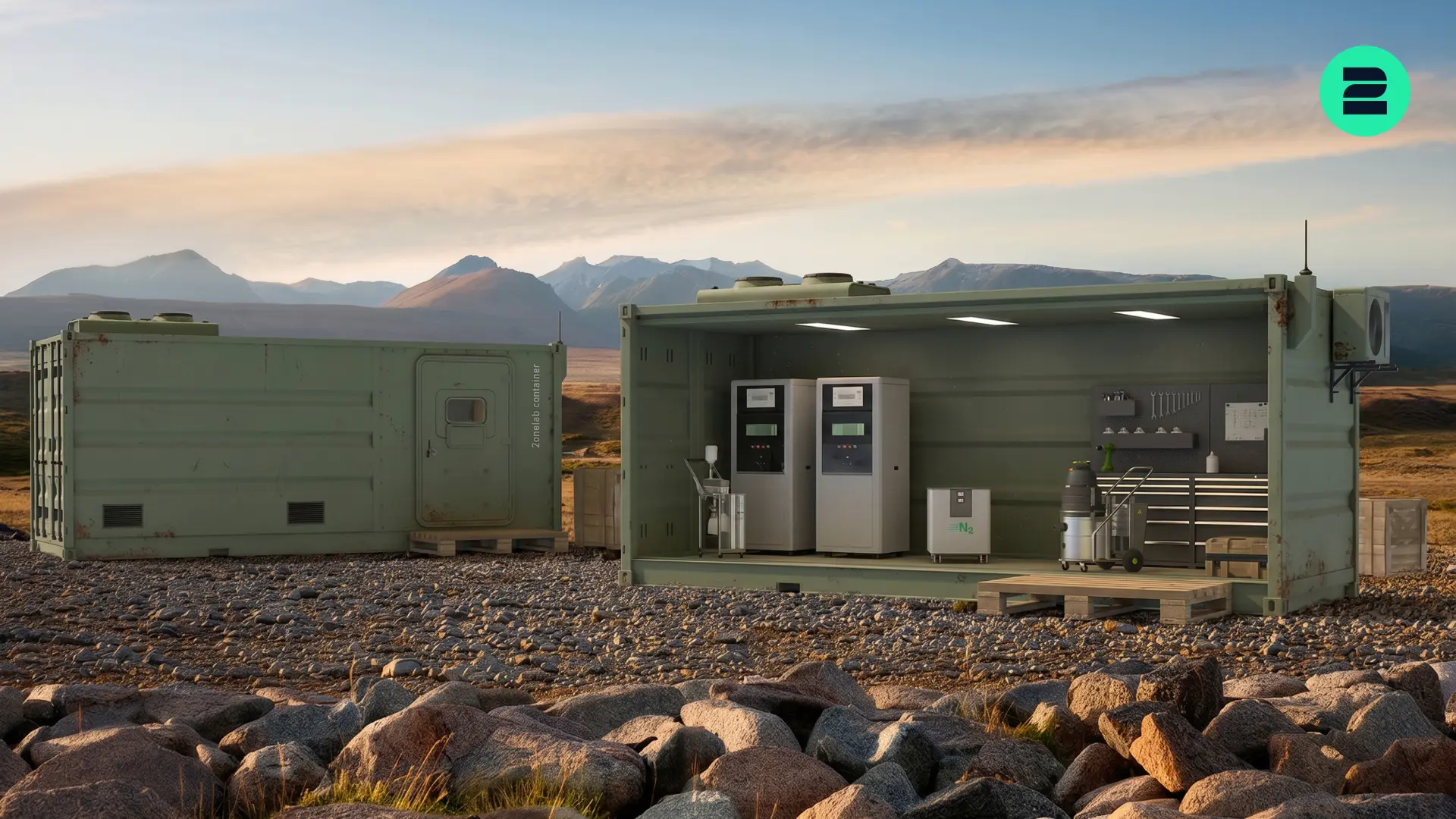
Defense spare parts and metal components are often required in environments where fast availability is critical. Traditional supply chains can be too slow and inflexible for these demands.
This is where containerized metal 3D printing for military and defense becomes relevant. 2onelab enables mobile metal additive manufacturing directly at the point of need through a fully integrated process chain inside a transportable container.
Key Points in Brief:
- 3D printing for Military and Defense: Enables fast, on-demand production of critical metal parts for operational use
- Mobile Manufacturing: Production directly at the point of need
- Integrated Process Chain by 2onelab: Combines metal printing, powder handling, cleaning, and post-processing in one container
Containerized Metal 3D Printing for Military
As operational conditions continue to evolve, the need for flexible and responsive production is increasing. Instead of relying on centralized factories, manufacturing is shifting toward more distributed and mobile systems.
This supports 3D printing for military and defense applications where speed, precision, and availability are essential.
3D Printing Military Parts on Site
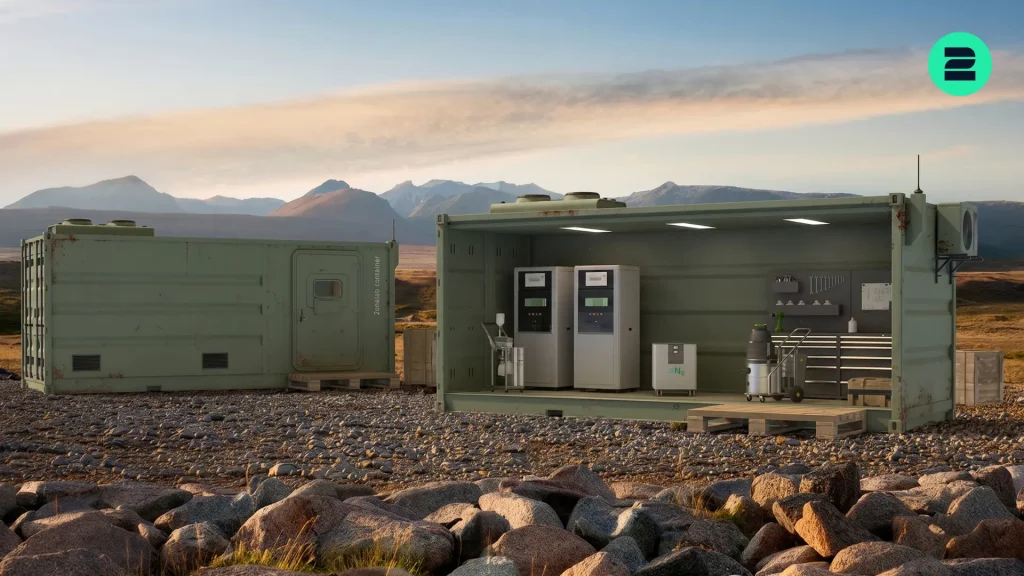
Containerized solutions make it possible to produce complex metal components directly on site. The system is designed for easy transport, quick setup, and rapid operational readiness. A standard single-phase power supply is sufficient, with no external compressed air or complex utilities required.
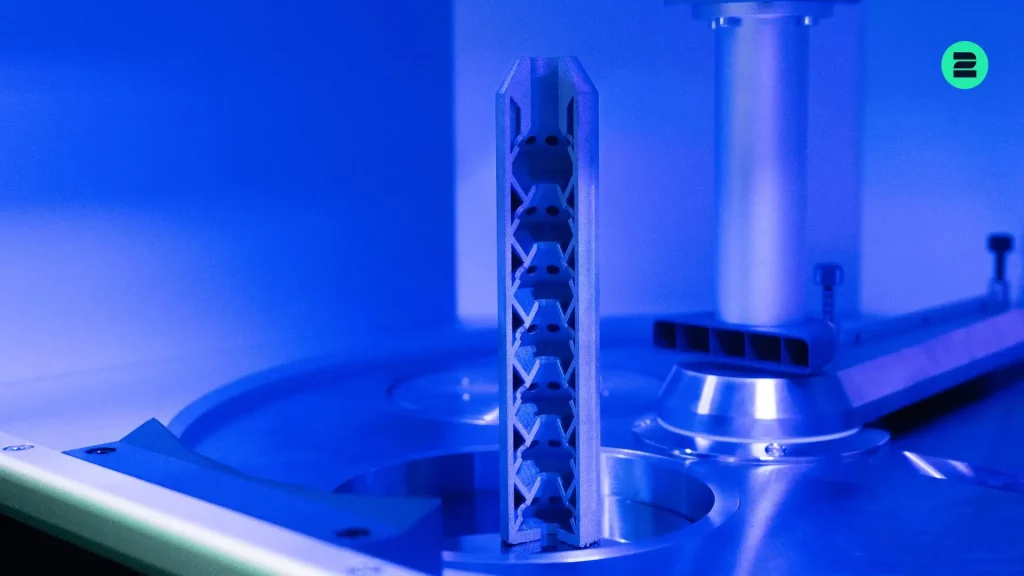
This results in a compact manufacturing unit for high-precision metal components made from steel, titanium, or aluminium , enabling reliable 3D printing of military parts directly in the field.

This results in a compact manufacturing unit for high-precision metal components made from steel, titanium, or aluminium , enabling reliable 3D printing of military parts directly in the field.
Complete 2onelab Process Chain in 1 Container
What sets the solution apart is the fully integrated production chain inside a single containerized system.
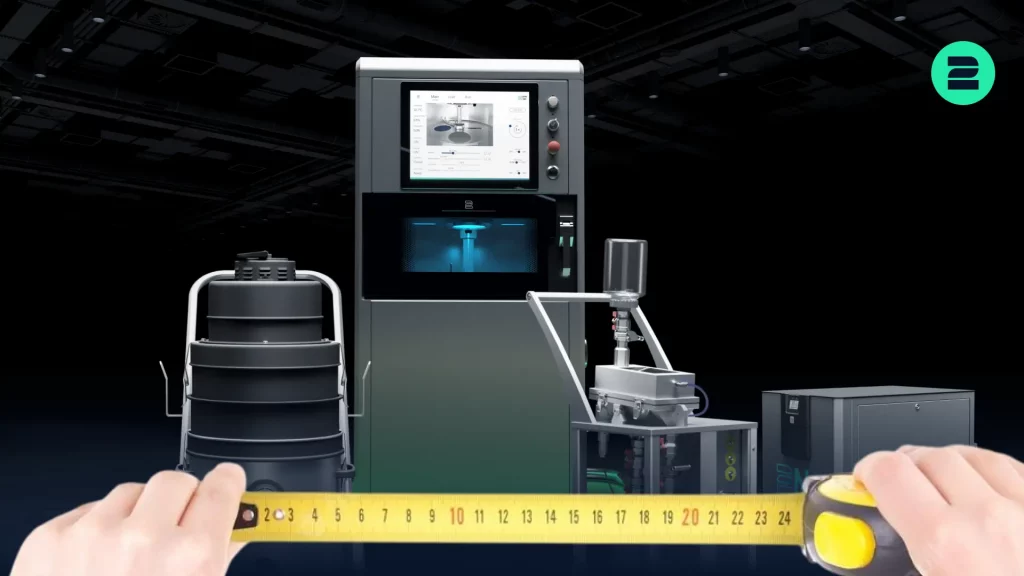
2onelab combines all essential steps for mobile metal manufacturing — from metal 3D printing and powder handling to cleaning, powder preparation, post-processing, and heat treatment.
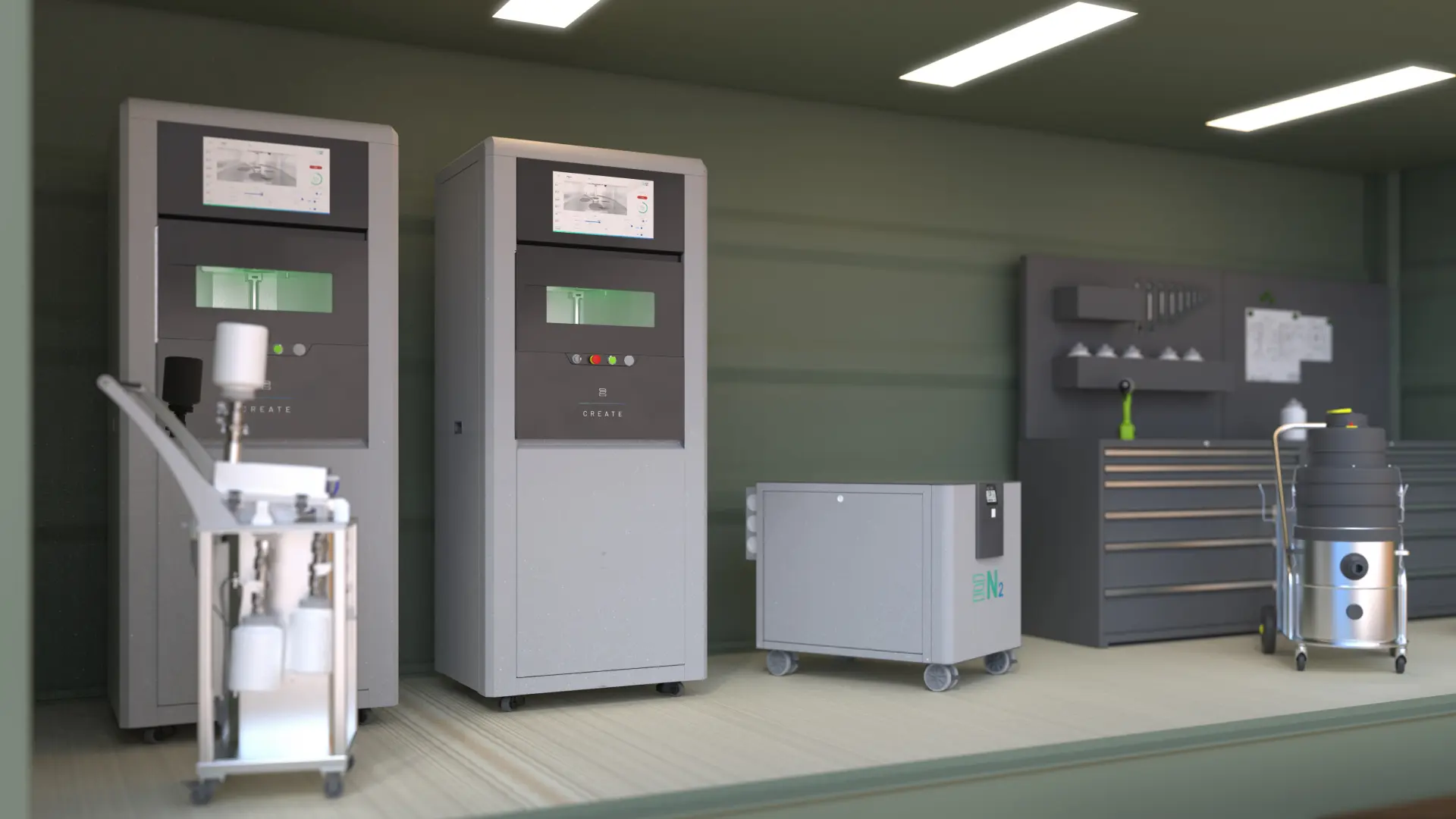
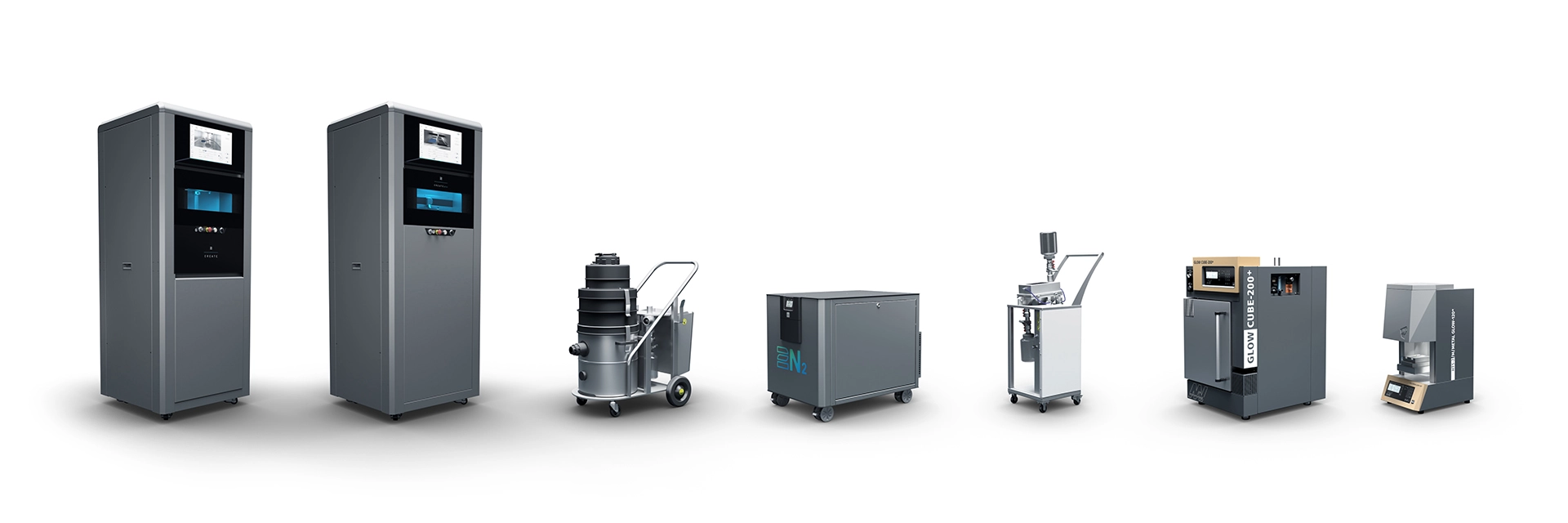
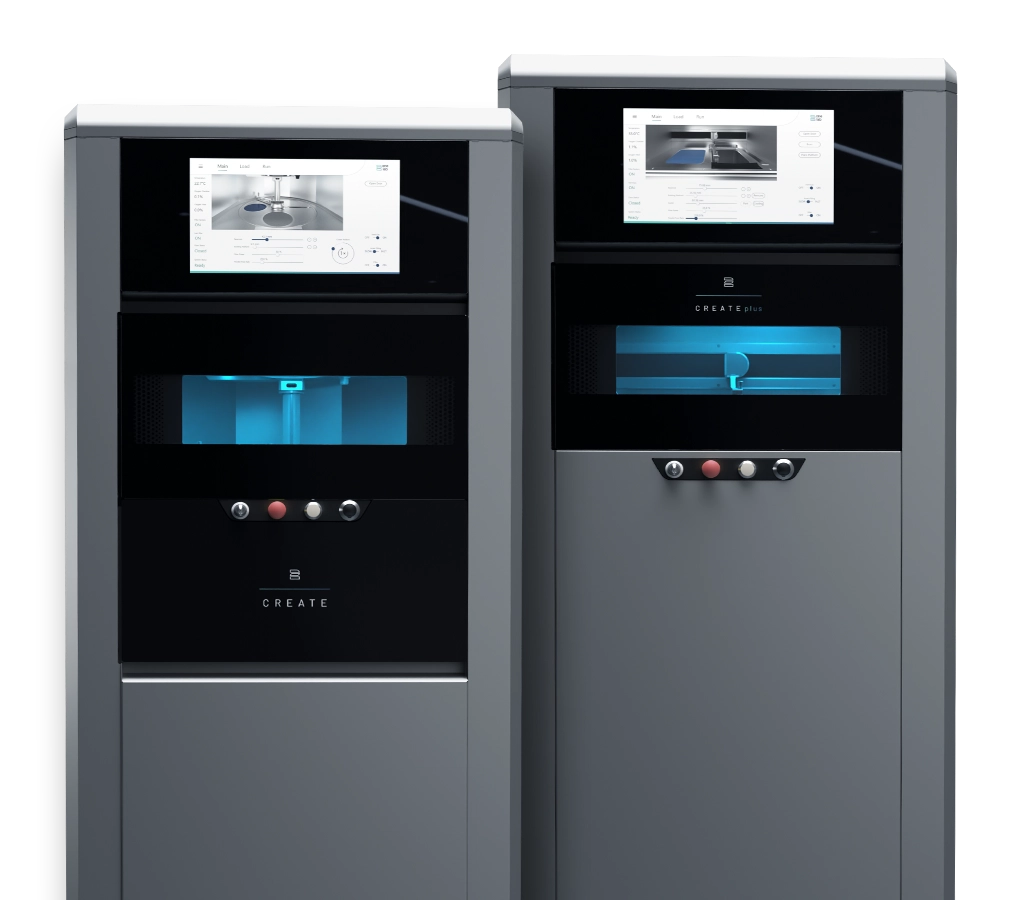
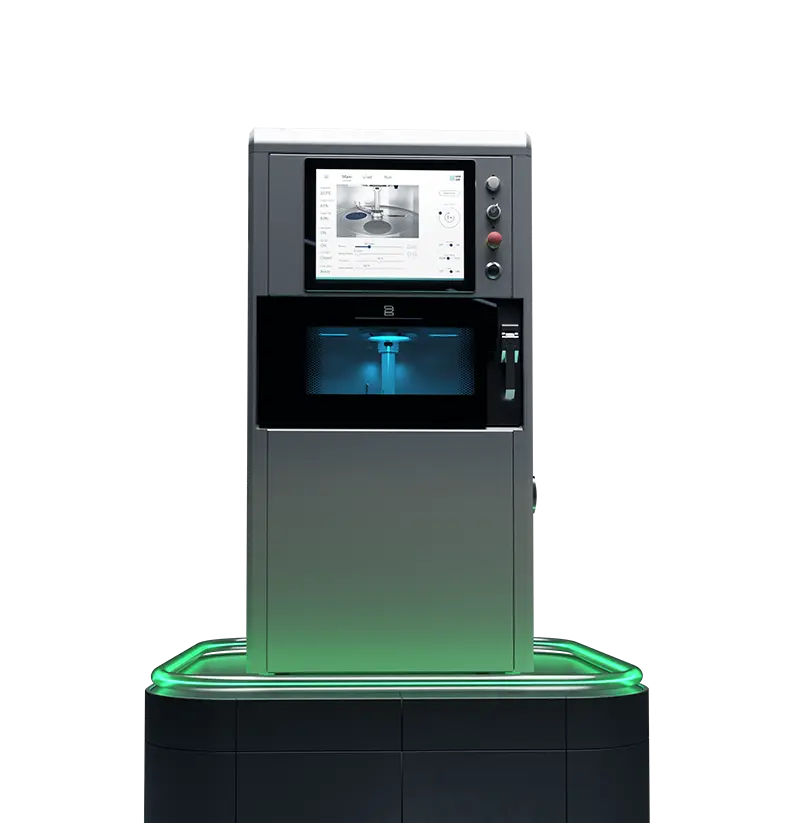
The system includes the 2Create or 2Create Plus military 3D printer, a nitrogen generator (N₂) for mobile nitrogen supply, the 2Clean for powder recycling, and 2Sieve for powder preparation and reuse. The process chain is completed by post-processing in a compact furnace for heat treatment.
Together, these products form a complete containerized metal 3D printing solution for military and defense applications.
Materials & Applications
The mobile 2onelab solution has been developed for demanding applications in 3D printing for military and defense. Depending on the requirements, high-precision metal parts can be printed from steel, titanium, or aluminium.
Typical application areas include maintenance, field logistics, critical infrastructure, research, development, and mobile production environments where flexibility and speed are essential.
Advantages: Mobile Metal Manufacturing for Defense
Mobile manufacturing places special demands on system design, especially in non-industrial and field environments.

2onelab systems are engineered specifically for stable operation outside traditional production settings. A granite-mounted optical system ensures vibration stability, while air-cooled laser technology eliminates the need for external cooling infrastructure.
The containerized architecture reduces system dependencies and allows all critical processes to operate within a self-contained environment.
The result is a compact, precise, and robust manufacturing solution with low infrastructure requirements.
Point-of-Need Additive Manufacturing for Field Logistics
The term “point of need” describes a simple concept: metal parts are no longer produced exclusively in centralized factories and transported through long supply chains. Instead, production takes place directly where the demand arises.
Advantages for defence and technical field logistics:
- Faster response times
- Reduced dependency on supply chains
- Increased operational flexibility
- Greater resilience in mission-critical environments
This means that a required part can be produced directly on site without delay.
Role Of Metal 3D Printing In Dental Production
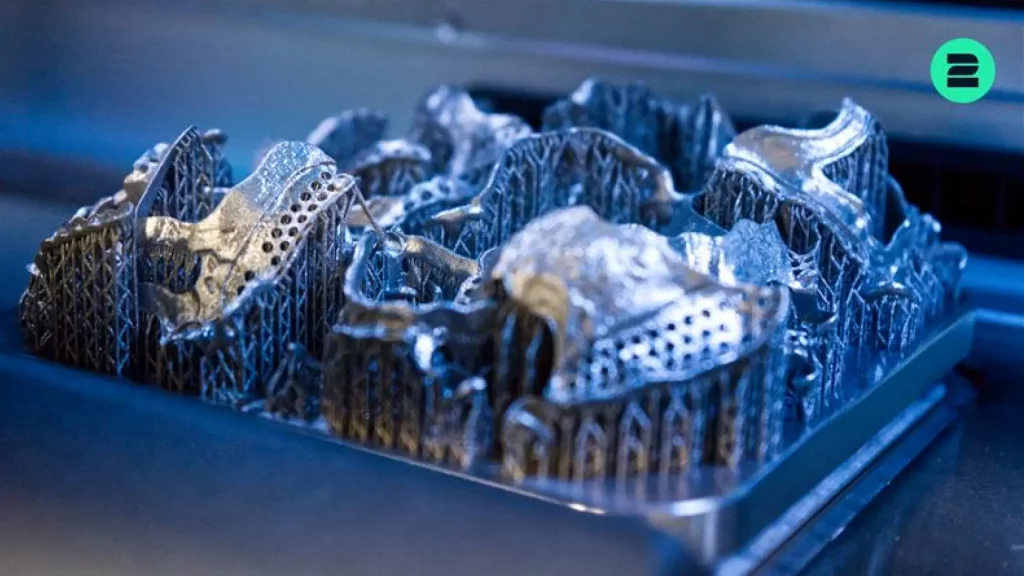
Metal additive manufacturing technologies such as Powder Bed Fusion (PBF) and Selective Laser Melting (SLM) play a key role in producing durable and high-precision dental components.
These technologies enable efficient production of prosthetic structures with consistent quality and optimized material usage.
Conclusion - 2onelab Goes Defence
The containerized process chain from 2onelab enables mobile, robust, and precise additive manufacturing of defense spare parts and military components directly in the field.
Whether steel, titanium, or aluminium: high-precision metal components can be produced exactly where and when they are needed. This approach strengthens metal 3D printing for military and defense through flexible and mobile production directly at the point of need.
2onelab goes Defence — distributed metal additive manufacturing to be showcased at Eurosatory 2026 in Paris (15–19 June 2026).
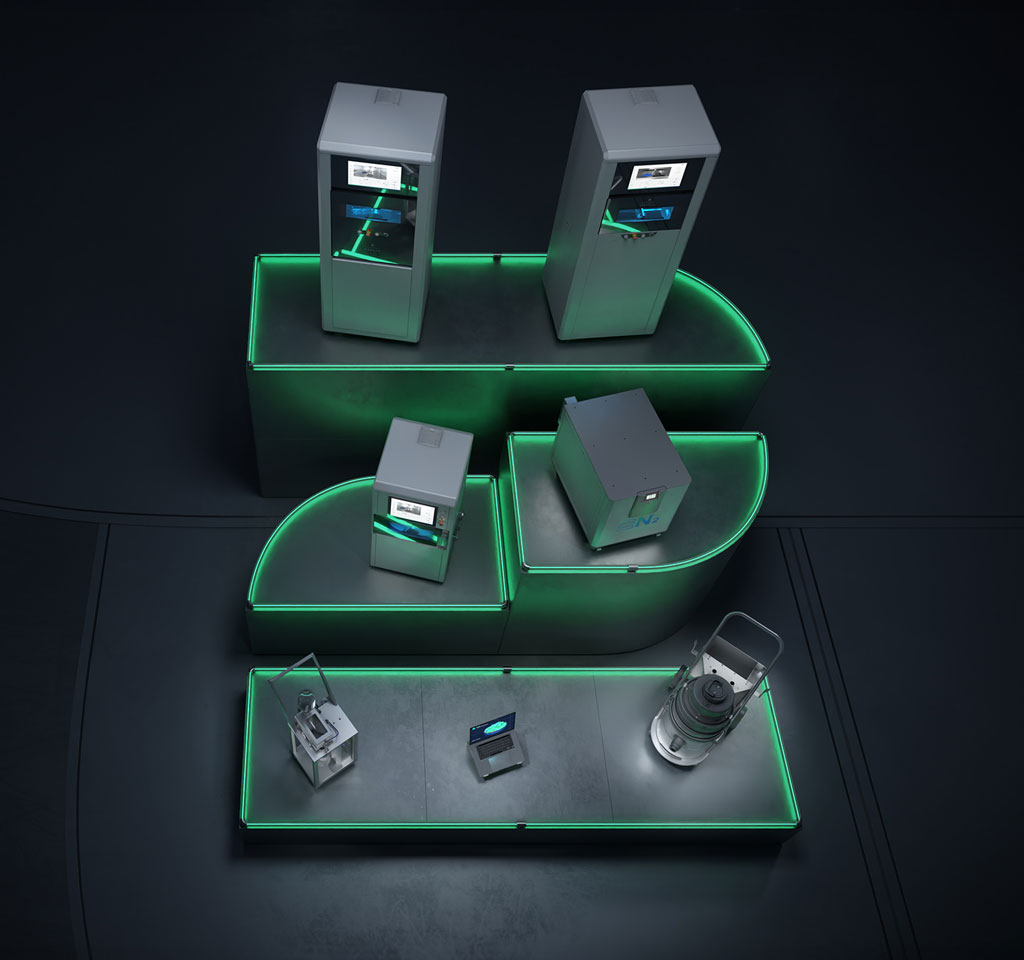
Explore the Complete 2onelab Ecosystem
High-performance metal 3D printers, intelligent software, and essential equipment combineed to deliver a seamless, efficient workflow.
FAQ – 3D Printing for Military & Defense
What Is 3D Printing for Military and Defense?
2onelab provides a containerized metal 3D printing system that integrates printing, powder handling, and post-processing into one mobile production unit for on-site manufacturing.
How Does 2onelab Support Defense Manufacturing?
Distributed manufacturing in defense refers to the production of military parts, including spare parts, in decentralized locations instead of centralized factories, improving flexibility and operational resilience.
What Is Distributed Manufacturing in Defense?
Distributed manufacturing in defense refers to the production of military parts, including spare parts, in decentralized locations instead of centralized factories, improving flexibility and operational resilience.
How Does Containerized Metal 3D Printing Work?
It combines the full metal additive manufacturing process in a single container, including printing, material handling, and post-processing under controlled conditions.
How Are Parts Produced at the Point of Need?
Parts are manufactured directly where they are required using digital designs and metal 3D printing, enabling immediate on-site production.
Further links:
Precision 3D Printed Suppressor
Learn how titanium and nickel superalloys create durable, precise suppressors with the 2Create and 2Create Plus 3D printers.