Key Points in Brief:
- 3D printed crowns are produced using digital CAD-based workflows in dental laboratories.
- Metal 3D printing enables precise and efficient crown production.
- Cobalt-chrome and titanium are commonly used materials for dental crowns.
What Are 3D Printed Crowns?
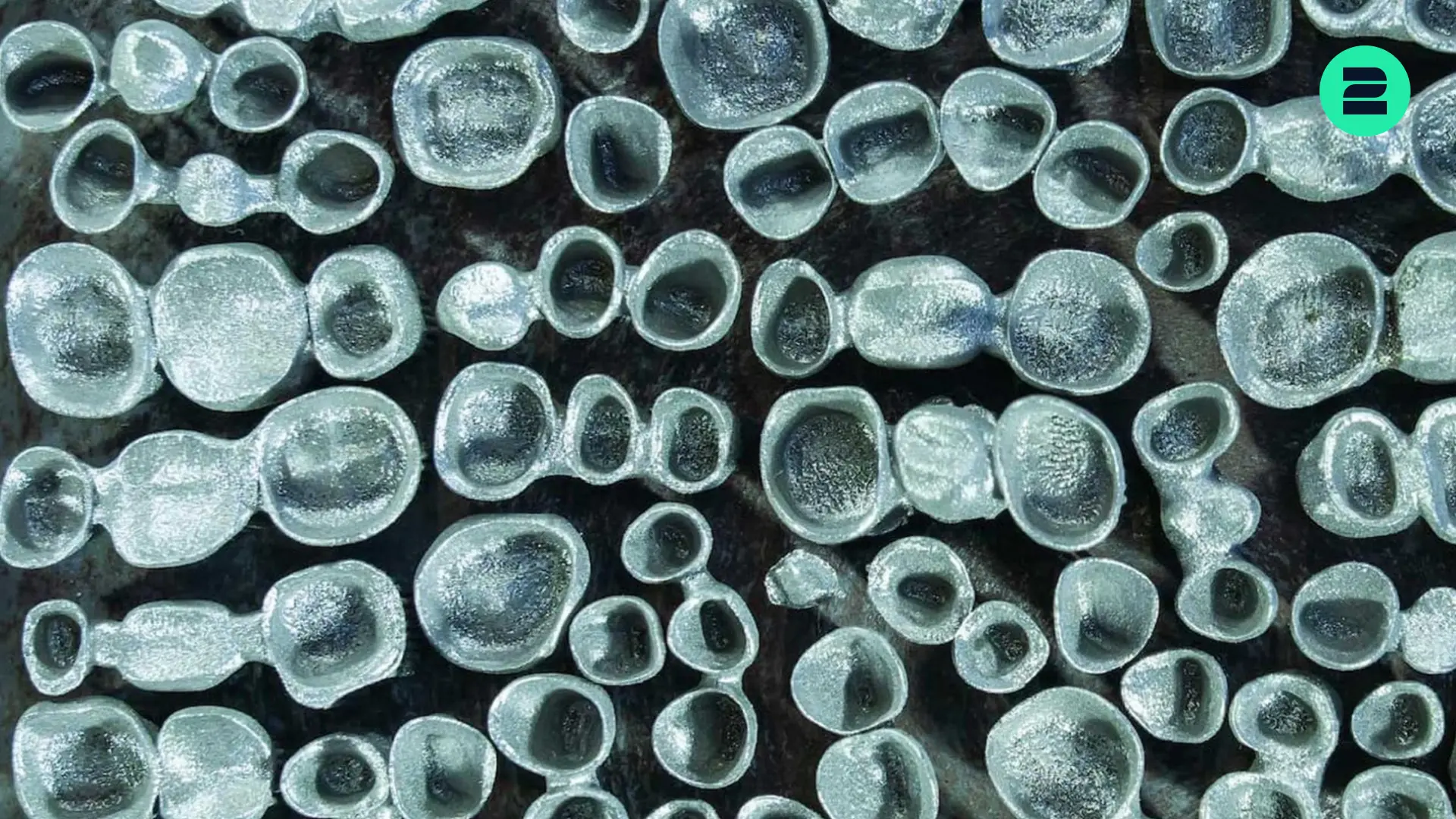
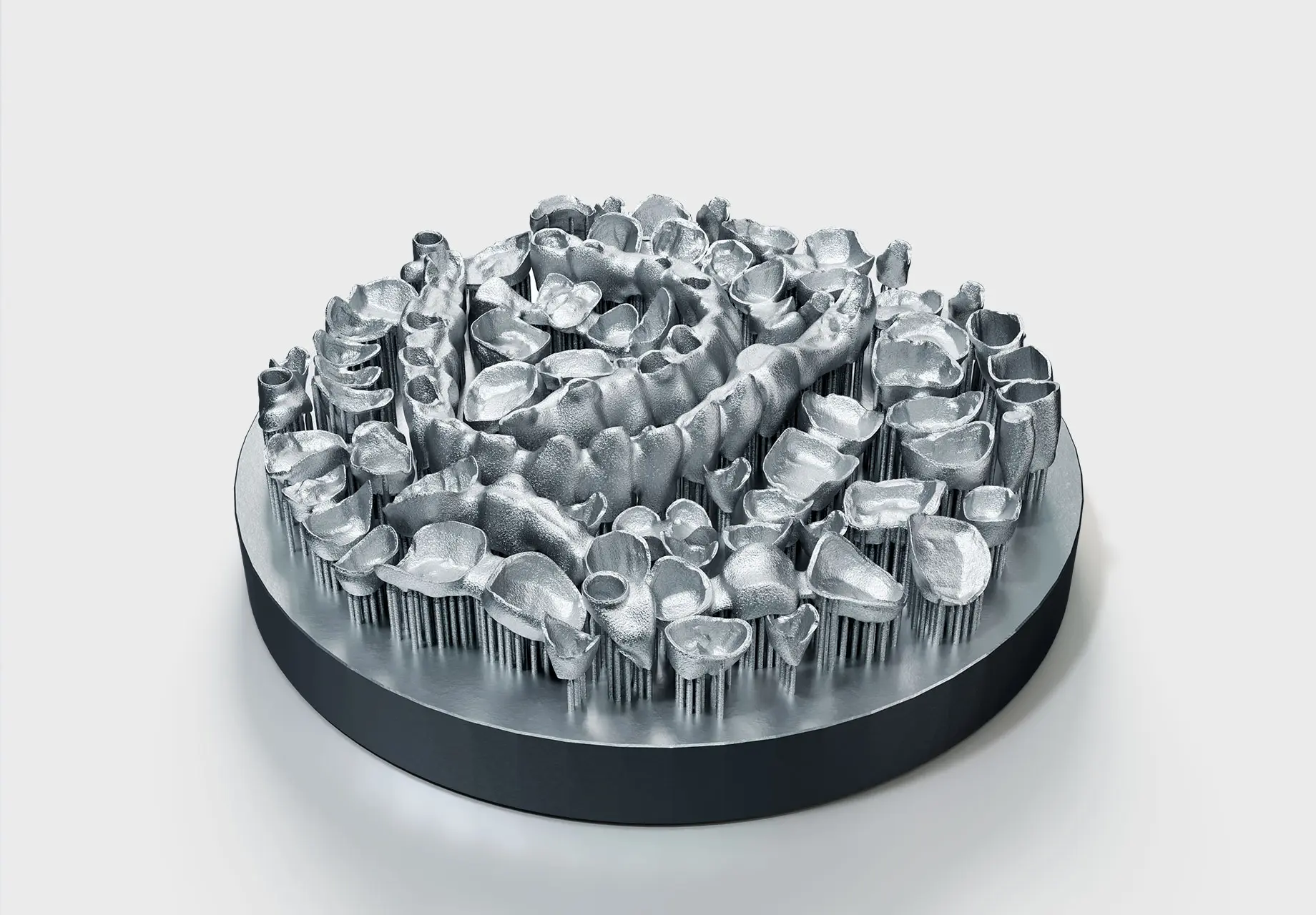
3D printed crowns are dental restorations manufactured using additive manufacturing technologies in dental laboratories. They are produced layer by layer from CAD data to achieve high precision and patient-specific fit.
This approach is widely used as an alternative to traditional casting methods, enabling more efficient and consistent production workflows.
How Are Dental Crowns Made?
Crowns are manufactured using digital CAD workflows combined with metal 3D printing technologies in dental laboratories.
The process typically includes:
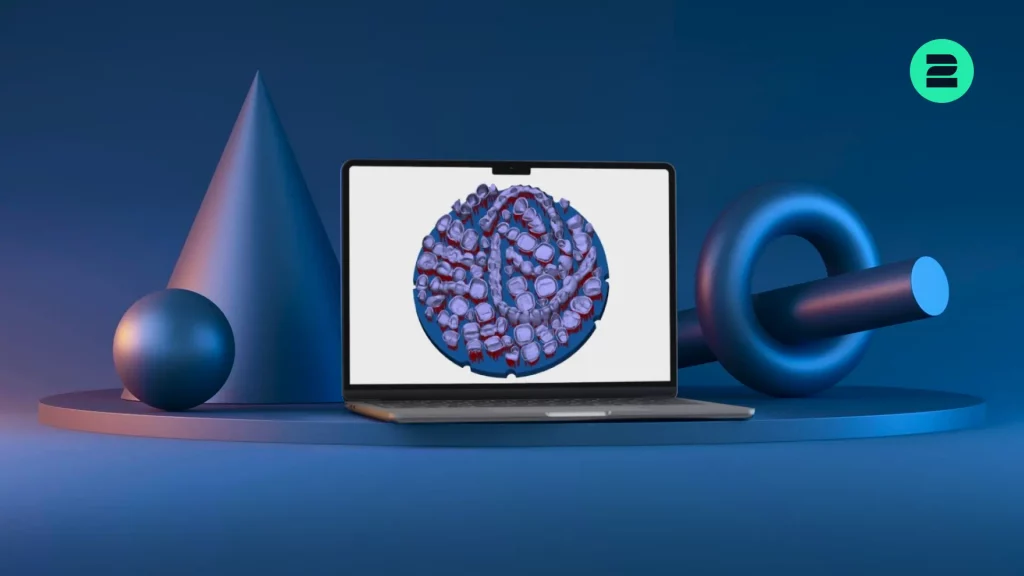
- CAD design of the crown
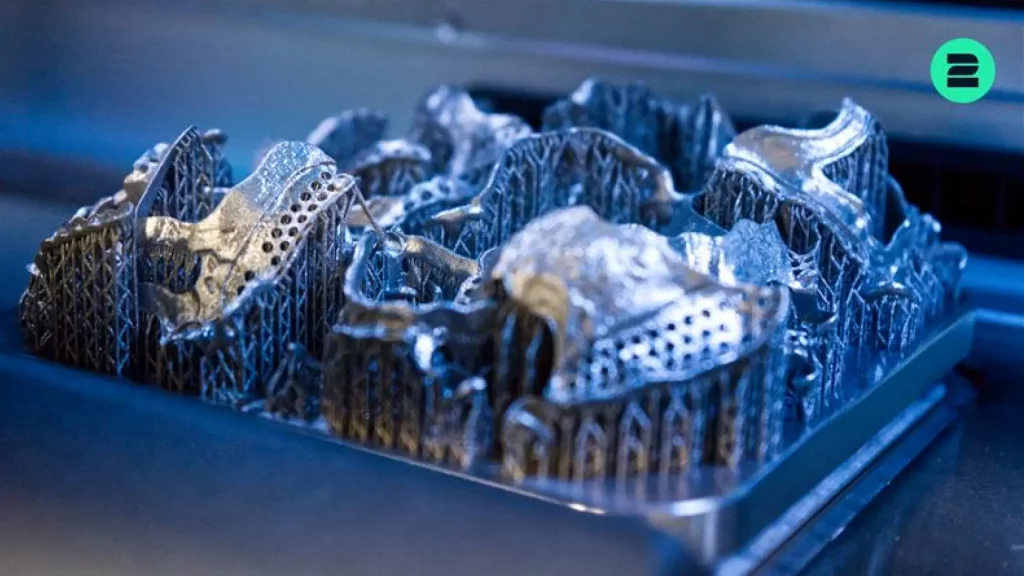
- Metal 3D printing
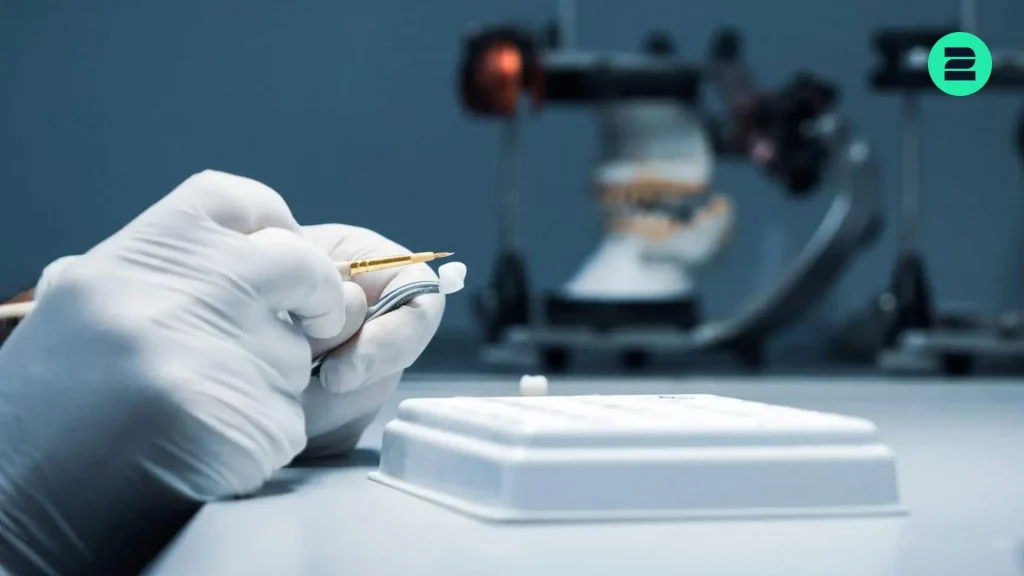
- Post-processing and finishing
This workflow enables high precision and repeatability in dental production.
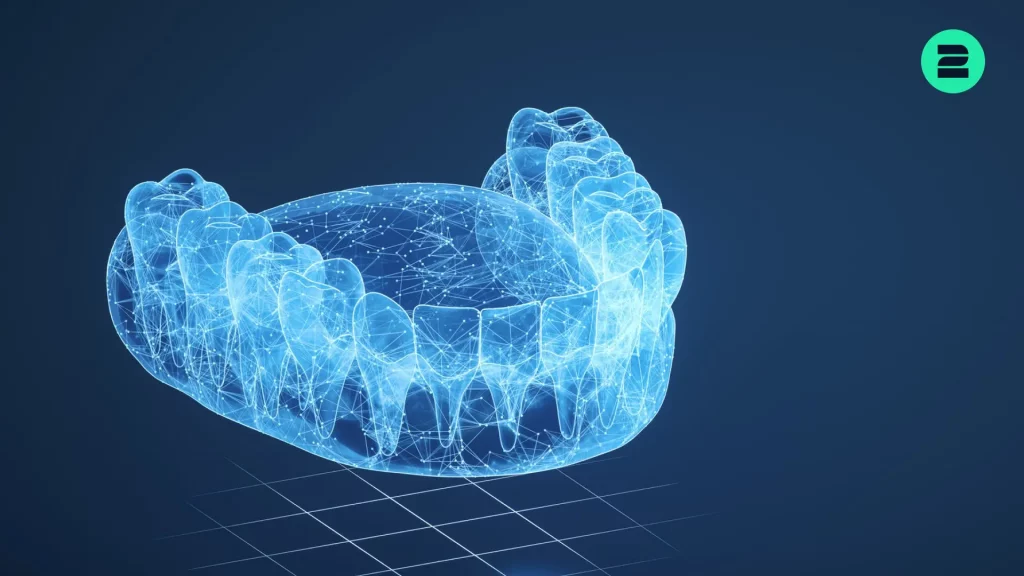
Dental Digital Workflow by 2onelab
Discover how 2onelab’s advanced Selective Laser Melting transforms dental digital workflows.
Materials Used For Dental Crowns
- Cobalt-Chrome (CoCr) is commonly used due to its strength and durability.
- Titanium is used for biocompatible and long-lasting restorations.
Applications Of 3D Printed Crowns
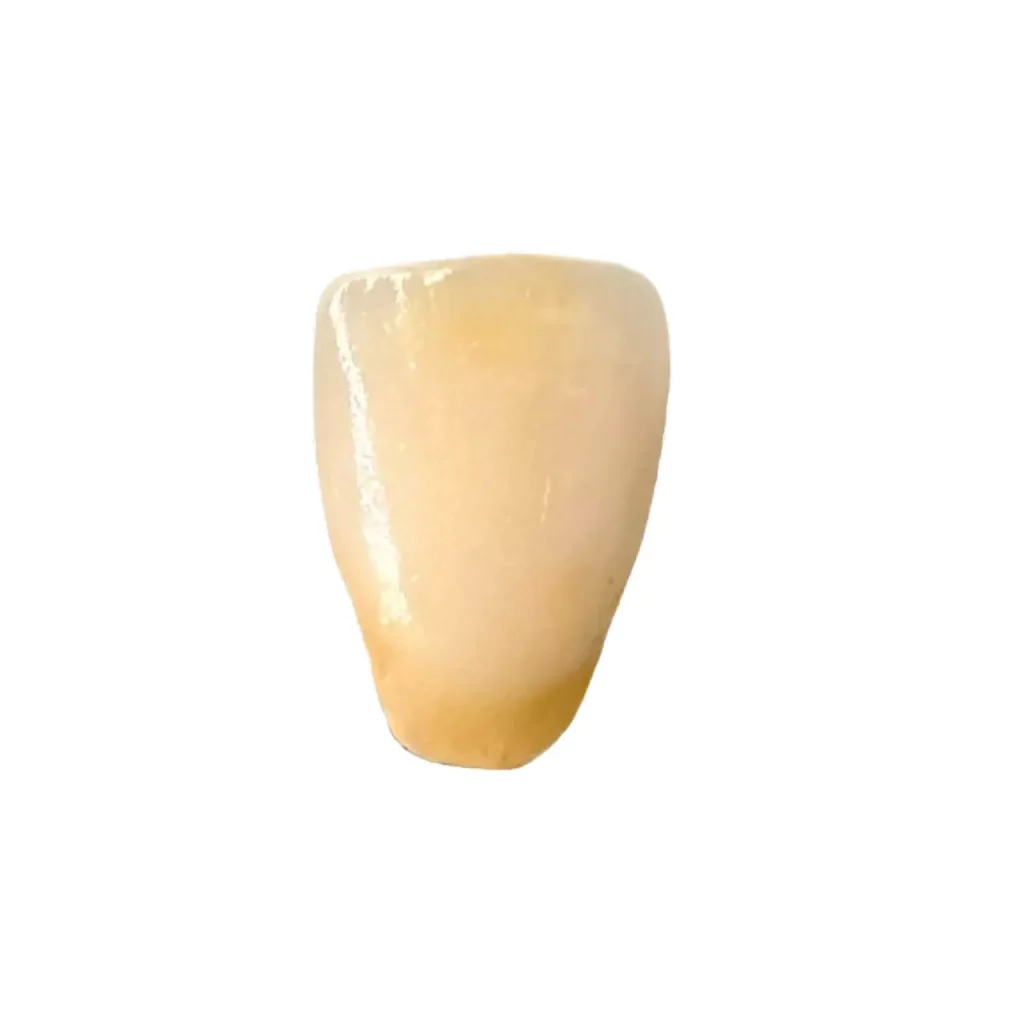
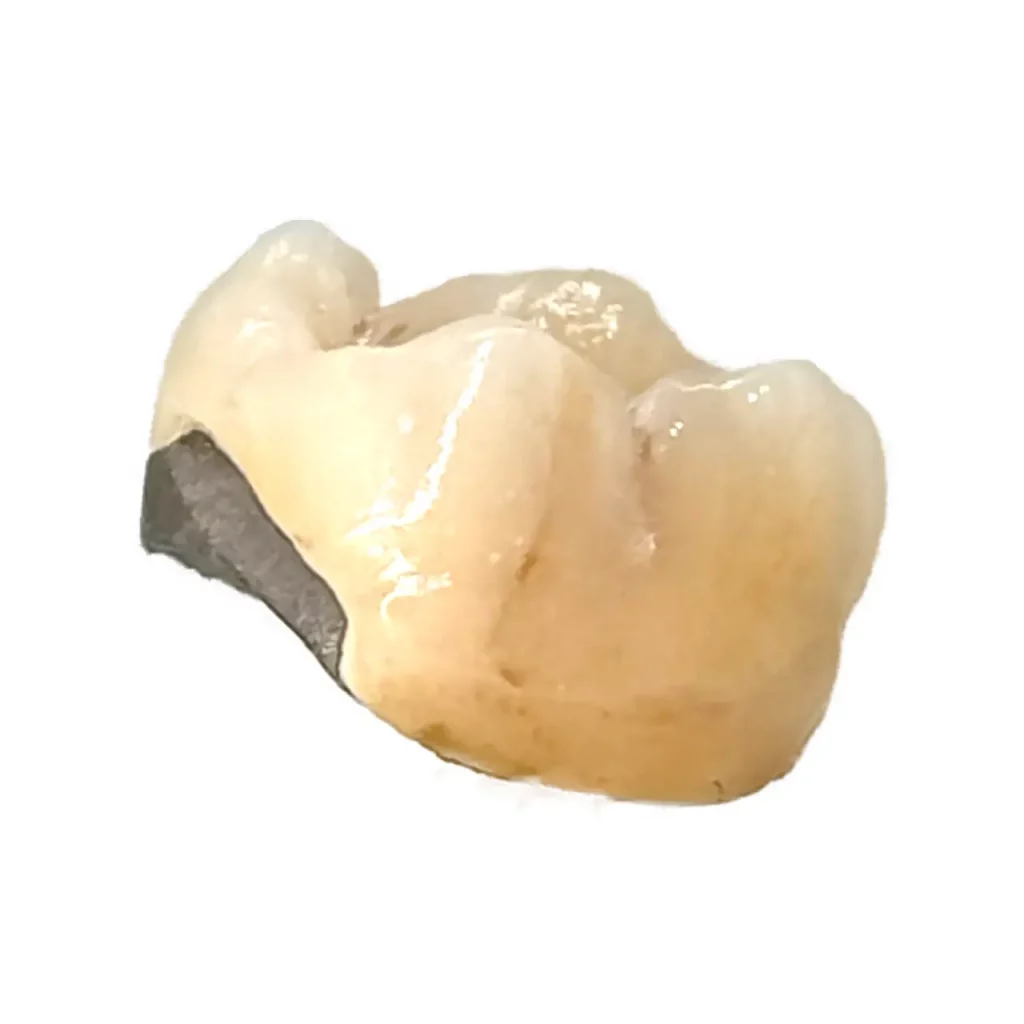
3D printed crowns are used in a variety of restorative dental applications, including:
- Single crowns
- Restorations on natural teeth
- Implant-supported crowns
- Crown-and-bridge restorations

Benefits Of Dental Crowns
- High precision and accurate fit
- Faster production compared to casting
- Reduced material waste
- Consistent manufacturing quality
- Scalable production in dental laboratories
Role Of Metal 3D Printing
Dental crowns are commonly produced using metal additive manufacturing technologies such as Powder Bed Fusion (PBF), enabling high precision and durable results.
Therefore, metal 3D printing plays a key role in producing 3D printed dental crowns with consistent quality.
Conclusion
3D printed crowns are produced using digital manufacturing technologies that enable efficient, precise, and scalable production in modern dental laboratories.
They improve manufacturing consistency, reduce production time, and support high-quality restorative dentistry.

Metal 3D Printers for Dental Crowns
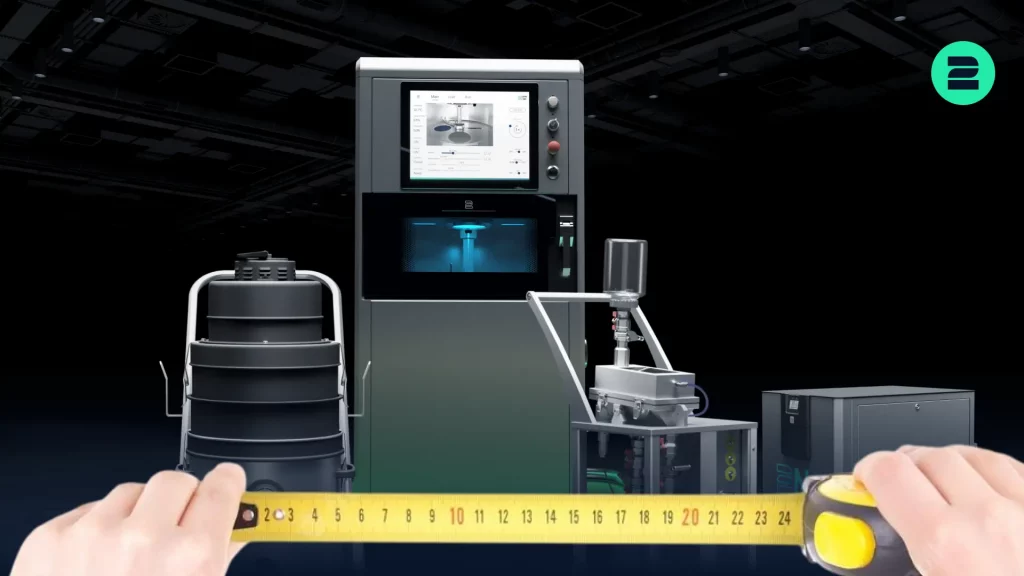
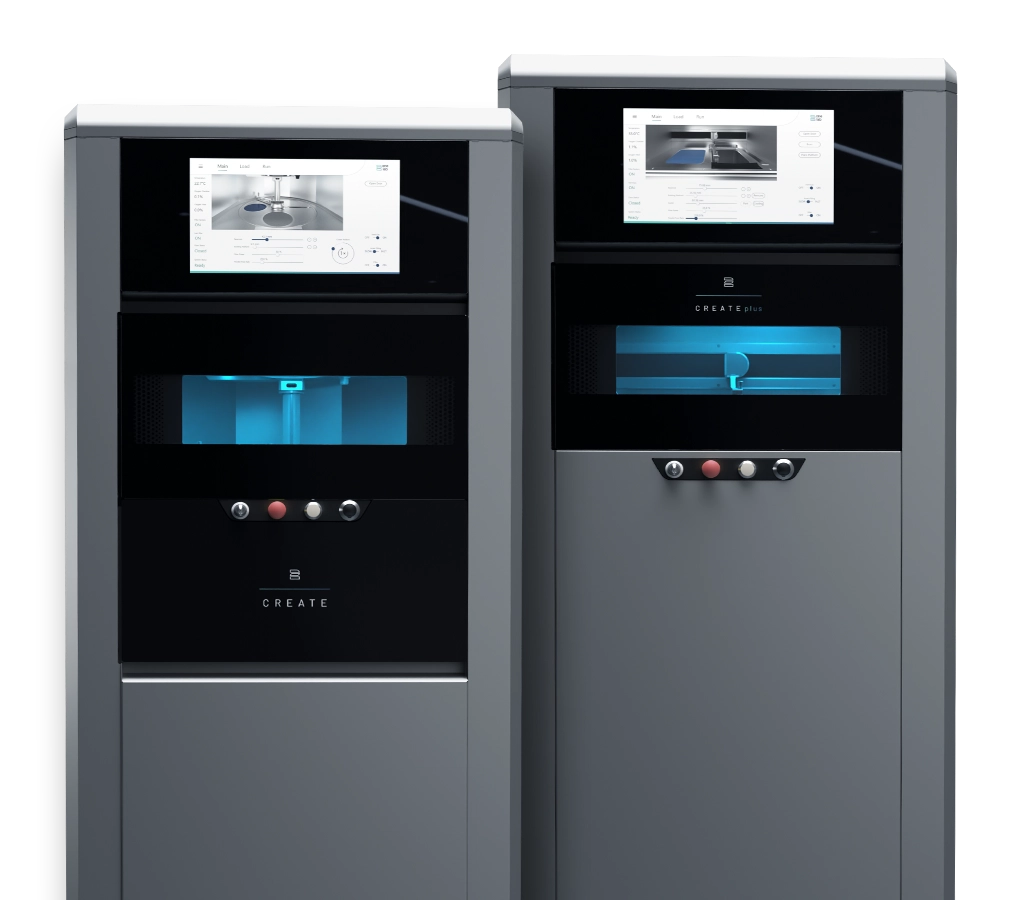
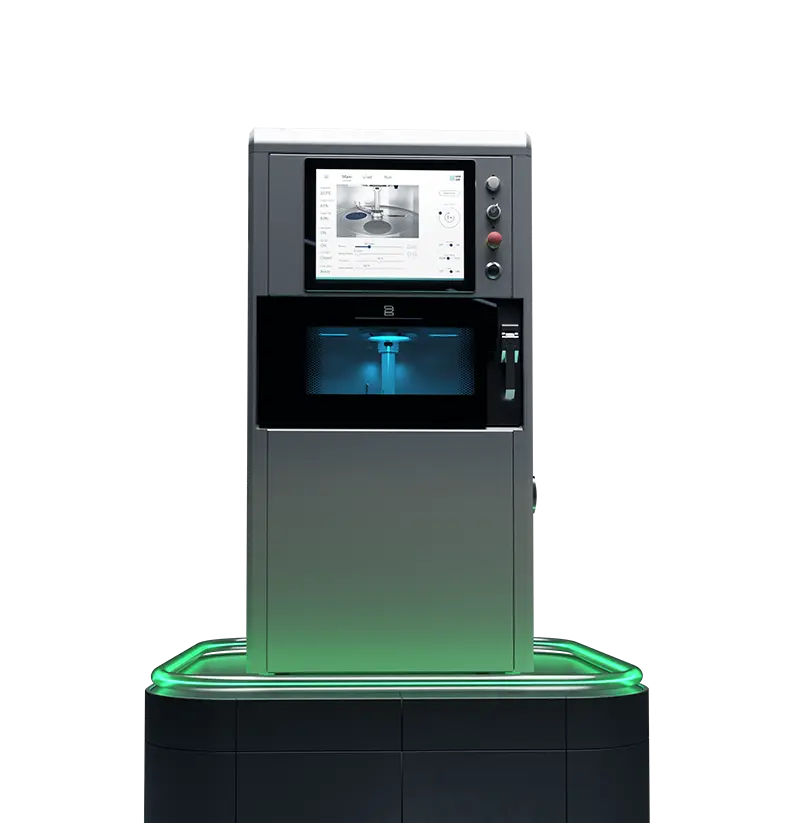
2Create/2Create Plus and 2Create Desktop – are precision metal 3D printers for dental crowns, bridges, RPDs, and more. They enable precise, efficient, and cost-effective production using Powder Bed Fusion technology.
FAQ - Metal 3D Printed Crowns
What Are 3D Printed Crowns Made Of?
3D printed crowns are typically made of metal alloys such as cobalt-chrome or titanium, depending on the clinical requirements and application.
How Are Dental Crowns Manufactured?
They are made using CAD design, metal 3D printing, and post-processing steps in dental laboratories.
How Long Do 3D Printed Crowns Last?
The lifespan of 3D printed crowns depends on material, design, and oral conditions, but they generally last many years when properly manufactured and maintained.
Further links:
- The marginal fit of selective laser melting-fabricated metal crowns: an in vitro study
- Printing orientation and heat treatment effects on fit and hardness of selective laser melting-manufactured cobalt-chromium crowns
- Effect of different tooth preparation designs on the marginal and internal fit discrepancies of cobalt-chromium crowns produced by computer-aided designing and selective laser melting processes
3D-Printed Dental Prosthetics
Learn how 3D printed dental prosthetics improve dental manufacturing through digital workflows, advanced materials, and precise production technologies.