Key Points in Brief:
- 3D printed dental prosthetics are manufactured using CAD-based digital workflows in dental laboratories.
- Metal additive manufacturing enables high precision, durability, & repeatability.
- Biocompatible materials such as titanium & cobalt-chrome are widely used in dental applications.
You are currently viewing a placeholder content from Default. To access the actual content, click the button below. Please note that doing so will share data with third-party providers.
More InformationWhat Are 3D-Printed Dental Prosthetics?

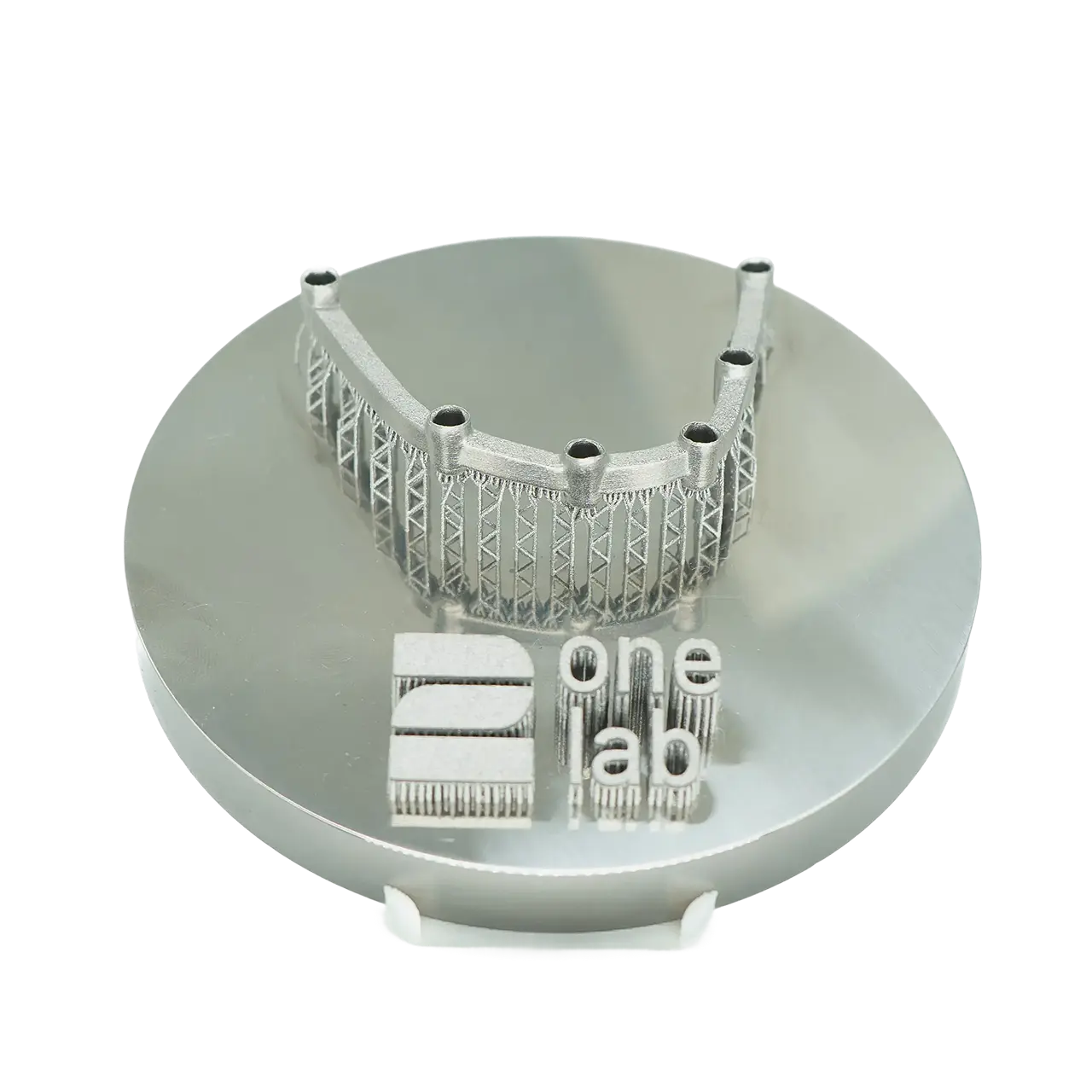
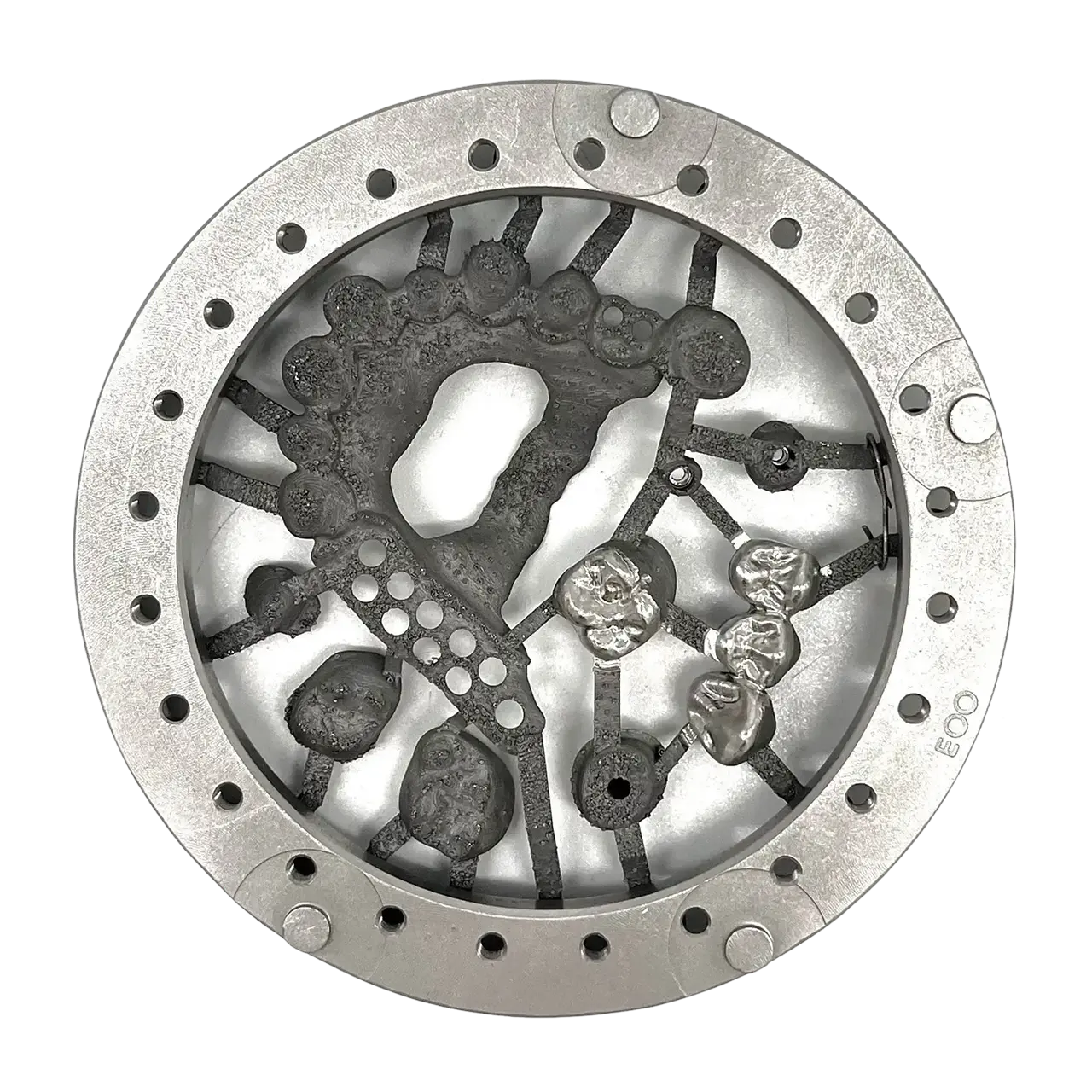
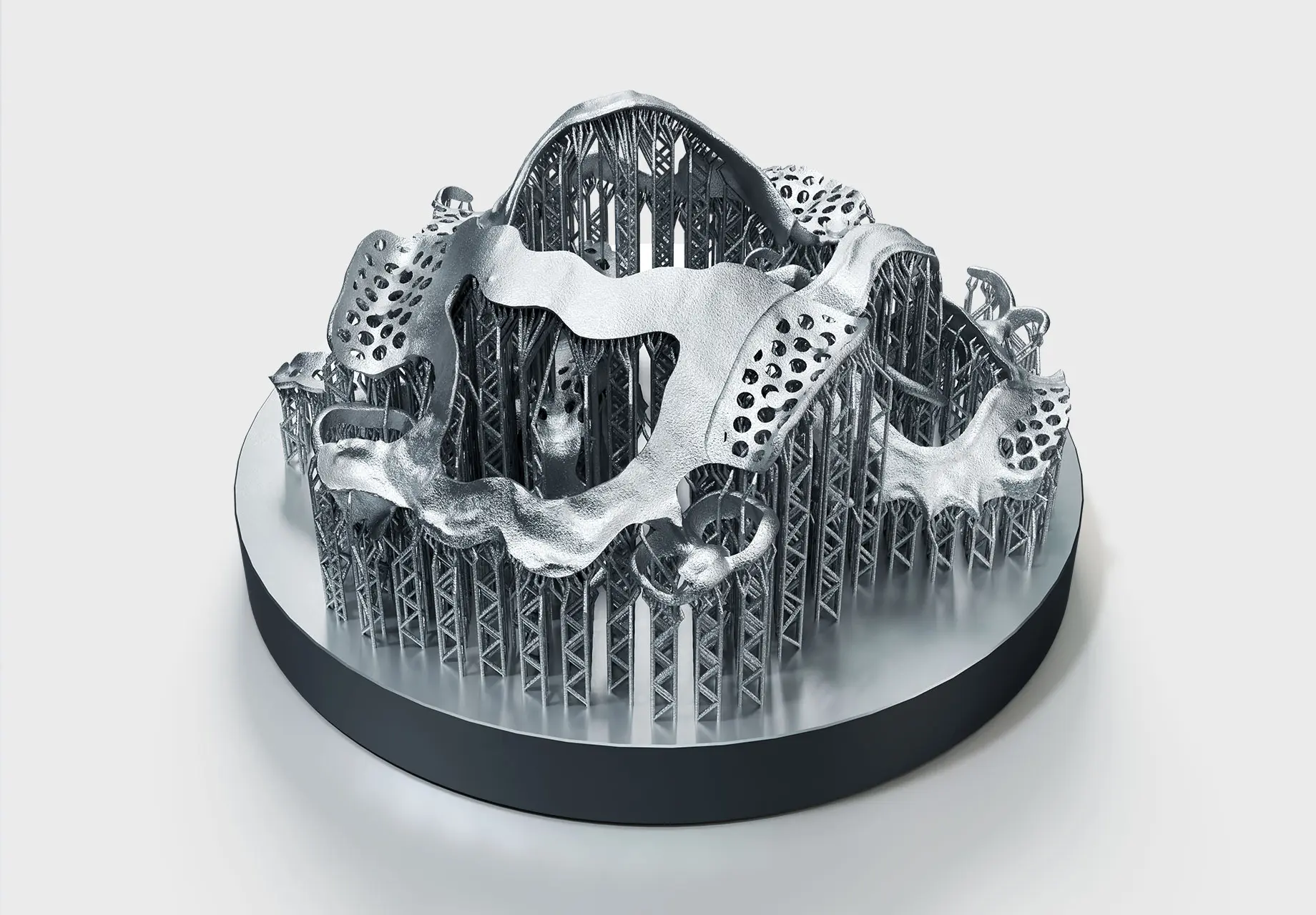
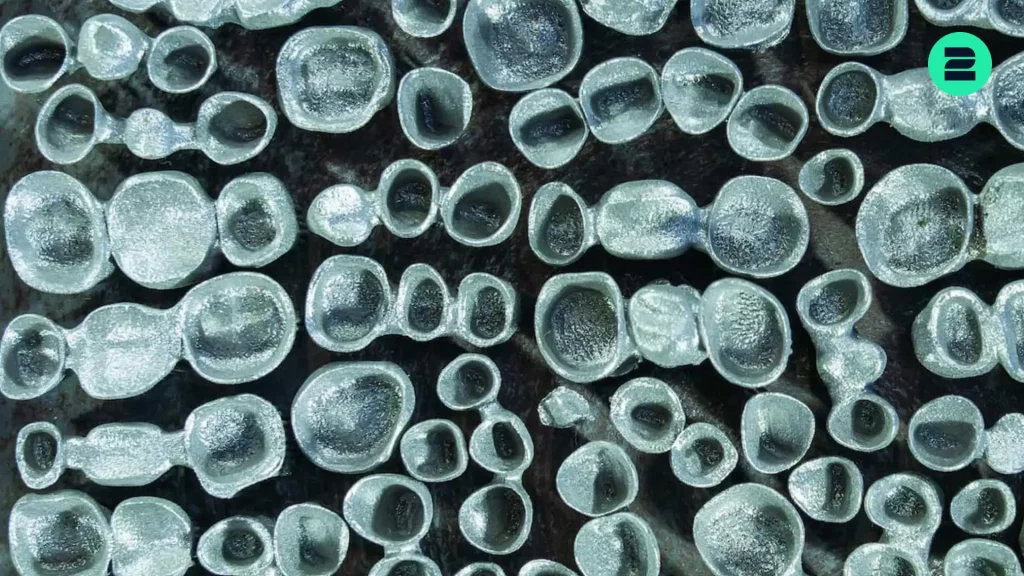
3D-printed dental prosthetics are patient-specific dental components manufactured using additive manufacturing technologies. They are created layer by layer from digital CAD data to achieve high precision and functional accuracy.
It is important to distinguish between dental implants and prosthetics: implants are the surgical fixtures placed into the jawbone, while prosthetics are the components attached to them.
Applications Of 3D-Printed Dental Prosthetics
3D-printed prosthetic components are widely used in modern dental workflows, including:
- Implant-supported restorations
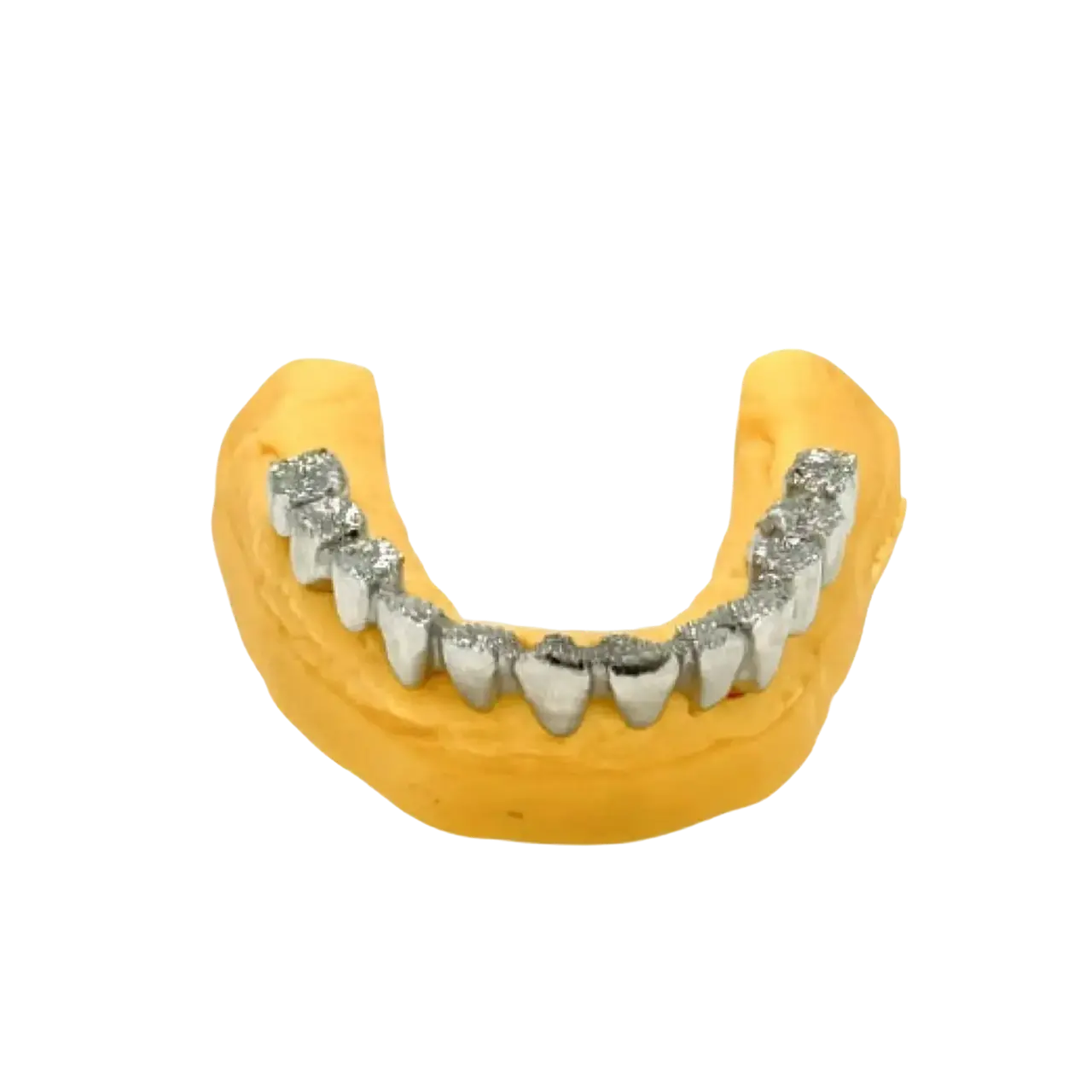
- Full-arch restorations
- Custom abutments
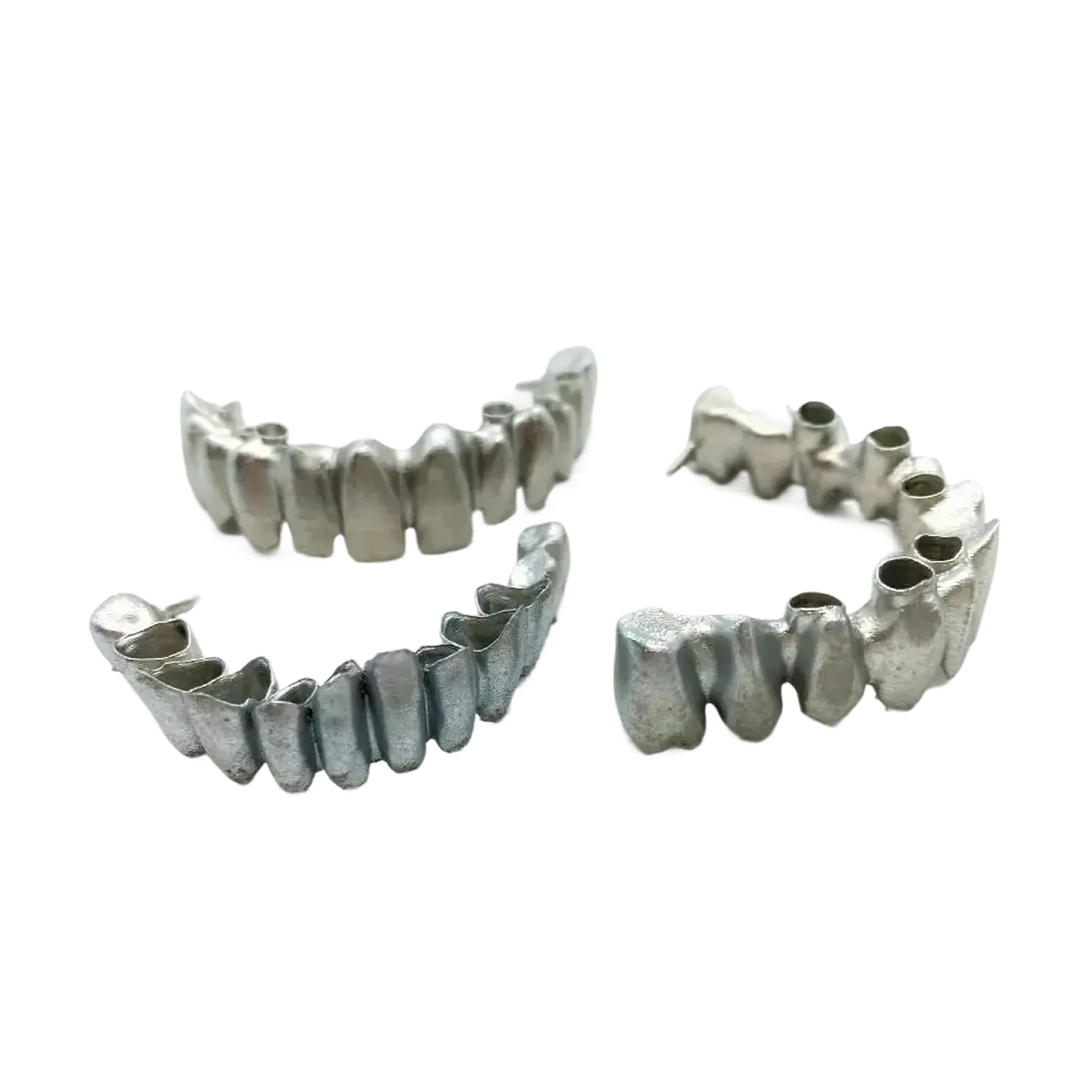
- Fixed prosthetics such as bridges
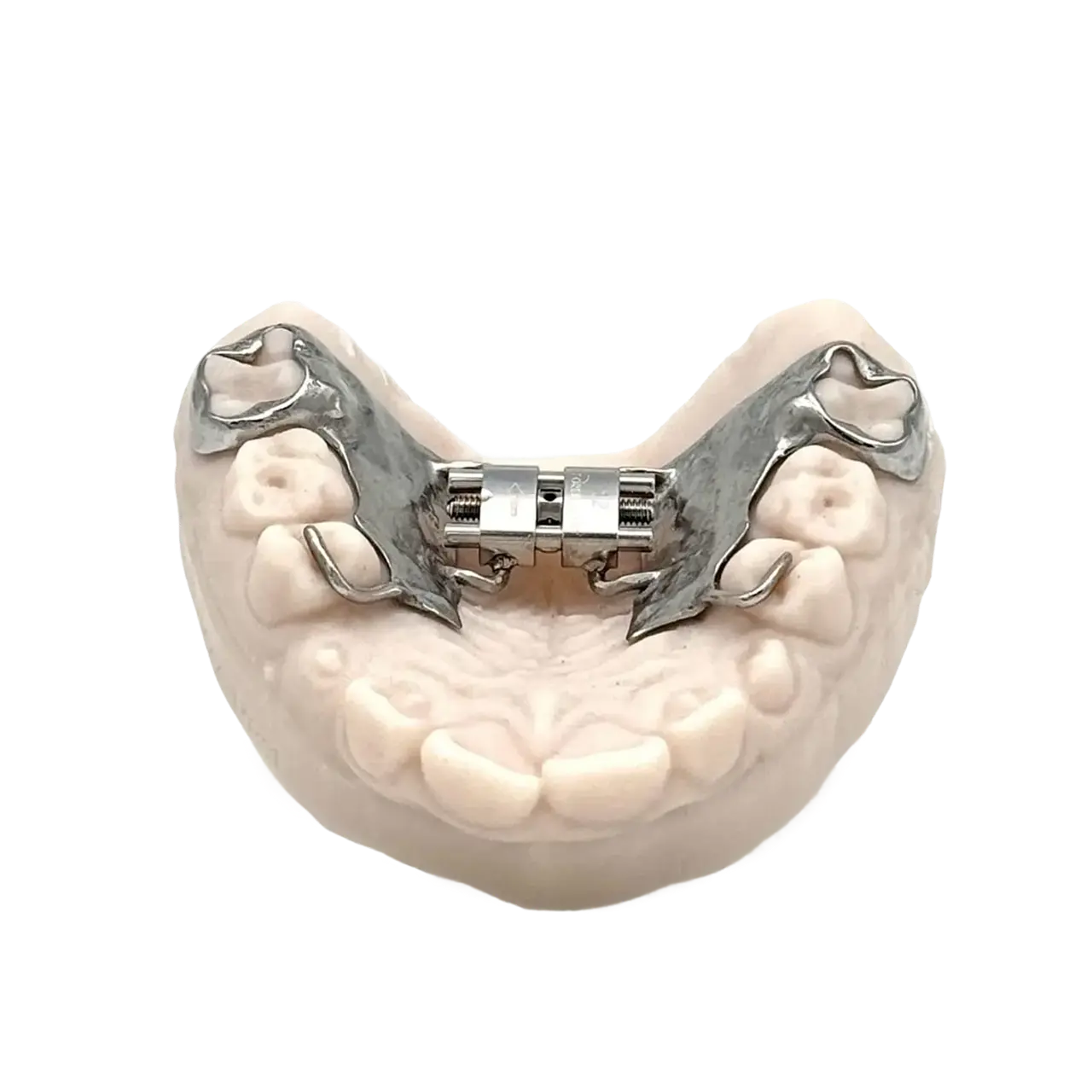
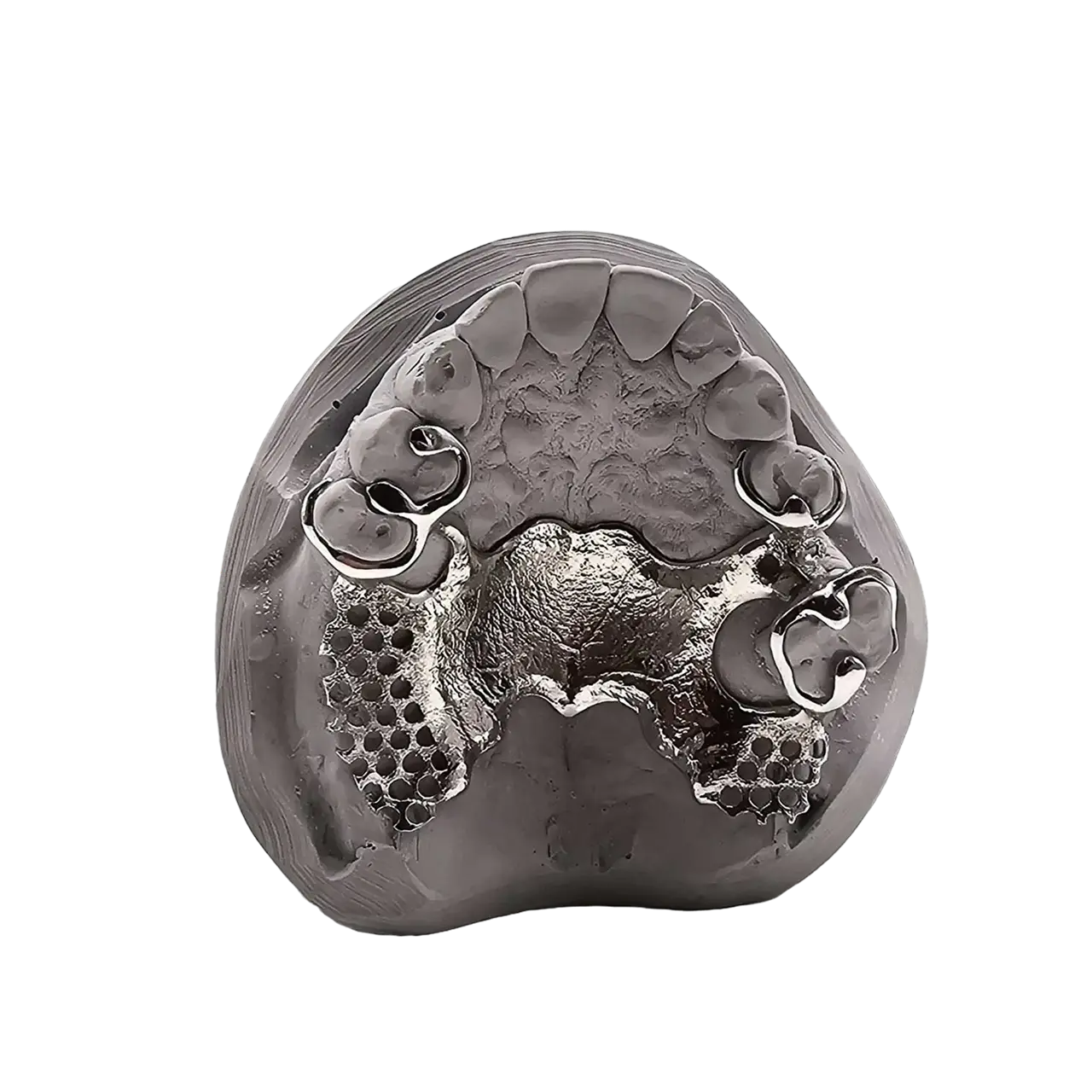
- Removable partial dentures (RPDs)
- Denture frameworks
- Surgical guides for implant placement
- Diagnostic and planning models
Materials Used In Dental 3D Printing
The material selection depends on mechanical, biological, and aesthetic requirements.
- Titanium and titanium alloys are widely used for implant-related components due to strength and biocompatibility.
- Cobalt-chrome (CoCr) is commonly used for load-bearing prosthetic structures.
- Ceramics and zirconia are used for aesthetic restorations.
- Polymers and resins are used for temporary restorations and surgical guides.
Biocompatibility In Dental Applications
Biocompatibility is a critical requirement for all intraoral and implant-related components.
Suitable materials must:
- Be non-toxic and tissue compatible
- Maintain long-term stability in the oral environment
- Meet regulatory standards for medical use
Titanium and CoCr alloys are widely used because they demonstrate excellent long-term biocompatibility and mechanical reliability.
Benefits Of 3D-Printed Dental Prosthetics
- High precision and patient-specific design
- Reduced production time compared to traditional methods
- Lower material waste
- Improved workflow efficiency in dental laboratories
- Scalable production from single units to full batches
- Enhanced consistency and repeatability
Role Of Metal 3D Printing In Dental Production
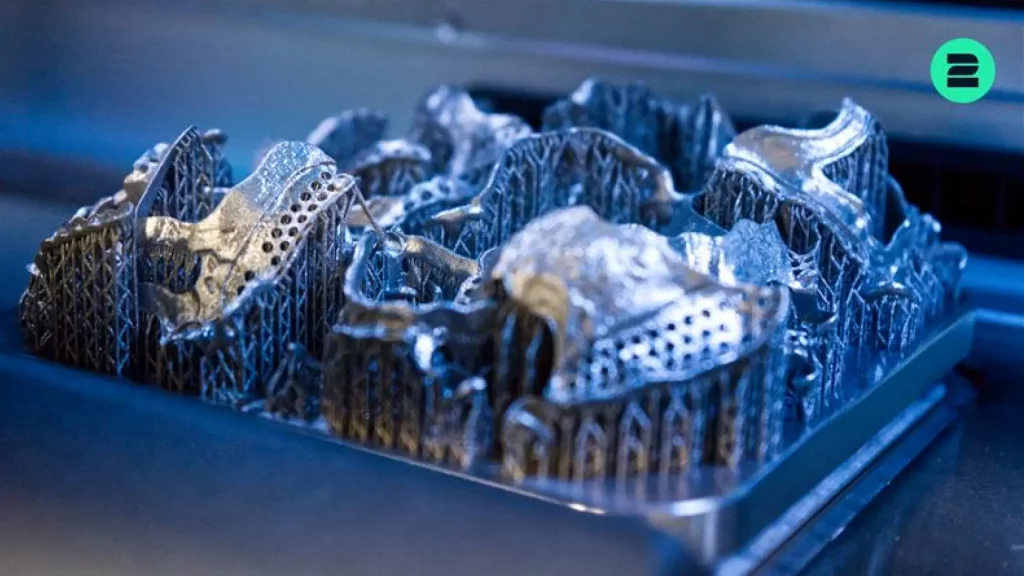
Metal additive manufacturing technologies such as Powder Bed Fusion (PBF) and Selective Laser Melting (SLM) play a key role in producing durable and high-precision dental components.
These technologies enable efficient production of prosthetic structures with consistent quality and optimized material usage.
Conclusion
3D-printed dental prosthetics enable efficient, precise, and patient-specific manufacturing in modern dental laboratories.
By combining digital workflows with advanced materials, the technology improves clinical outcomes, reduces production time, and supports scalable dental manufacturing systems.
Metal 3D Printers for Dental Prosthetics
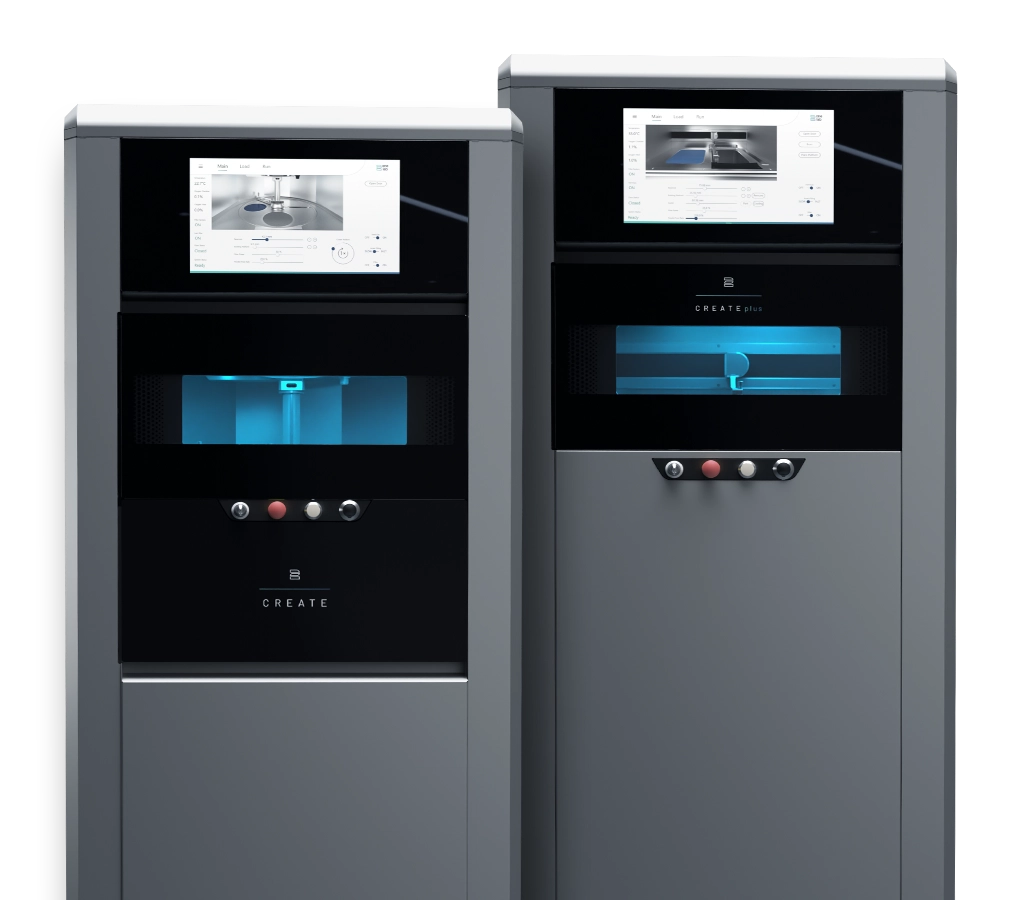
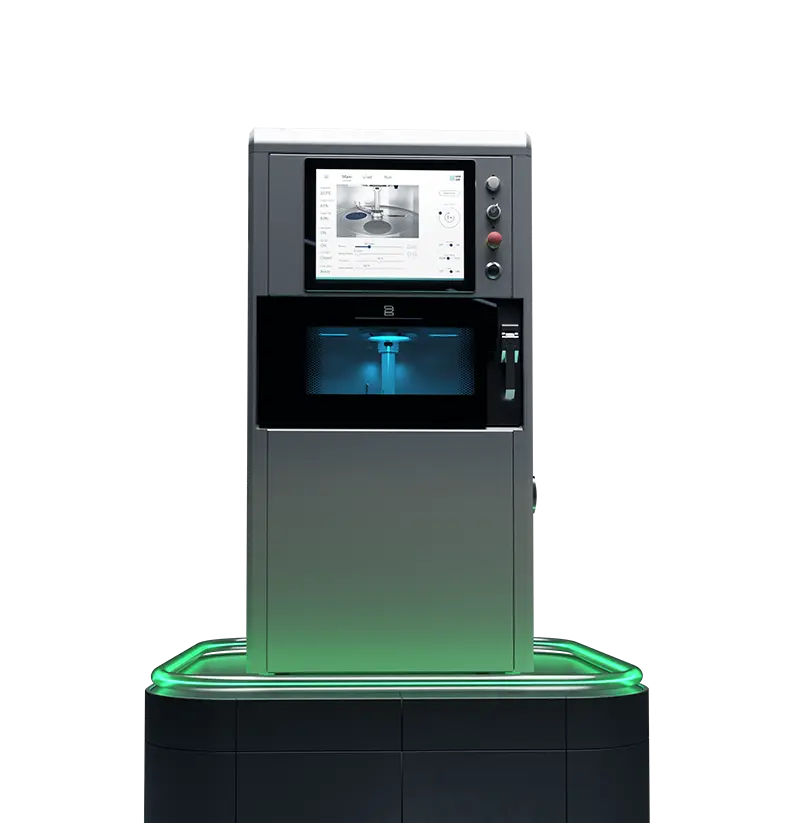
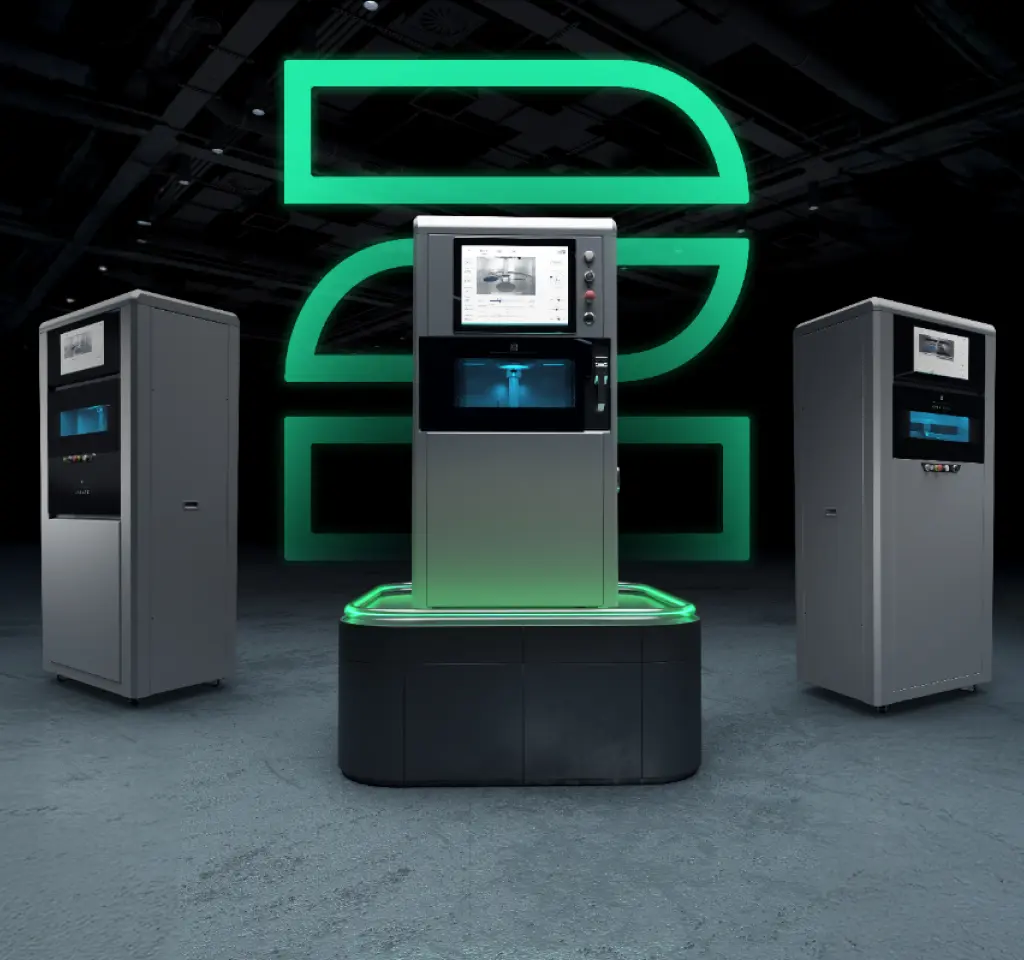
2Create/2Create Plus and 2Create Desktop – are metal 3D printers for dental prosthetics, efficient production of crowns, bridges, RPDs, and more through Powder Bed Fusion technology.
FAQ - 3D-Printed Dental Prosthetics
What Are 3D-Printed Dental Prosthetics?
What Materials Are Used For 3D-Printed Dental Prosthetics?
Common materials include titanium, cobalt-chrome, ceramics, and polymer-based resins depending on the application and mechanical requirements.
Are 3D-Printed Dental Implants Used Clinically?
Dental implant fixtures are still mainly manufactured using conventional processes, while 3D printing is widely used for prosthetic components and implant-related parts.
What Are The Benefits Of 3D-Printed Dental Prosthetics?
Key benefits include high precision, reduced production time, improved workflow efficiency, and scalable manufacturing in dental laboratories.
Further links:
Metal 3D Printed Crowns
Learn how metal 3D printed crowns are transforming dental labs with precise applications, key materials, and digital manufacturing benefits.