

2onelab

Discover how metal 3D printing in dental labs improves manufacturing efficiency through faster workflows and scalable batch production.

Key Points in Brief:

  • Metal 3D printing in dental labs enables CAD-based production of dental components.
  • Dental laboratories benefit from faster workflows and scalable production.
  • PBF and SLM are key technologies used in metal 3D printing for dental applications.

You are currently viewing a placeholder content from Default. To access the actual content, click the button below. Please note that doing so will share data with third-party providers.

More Information


What Is Metal 3D Printing In Dental Labs?

Metal 3D printing in dental labs refers to additive manufacturing processes that produce metal dental components layer by layer from digital CAD files.

Compared to traditional casting methods, digital metal manufacturing reduces manual production steps and improves consistency in dental workflows.

This supports:

  • Faster production processes
  • Repeatable manufacturing quality
  • Reduced manual labor
  • Efficient batch production

Applications Of Metal 3D Printing In Dental Labs

Metal 3D printing is widely used in dental laboratories for manufacturing:

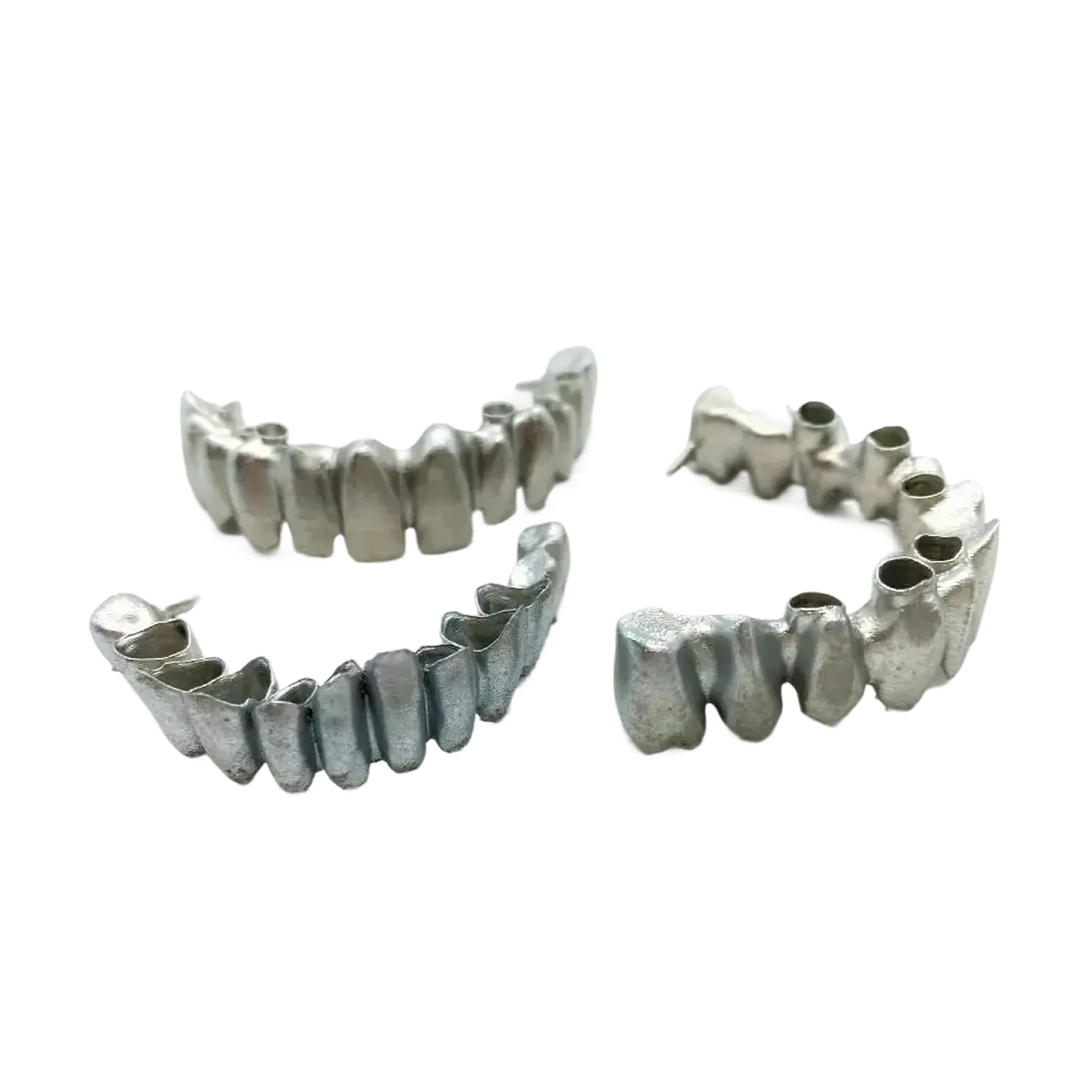
  • Crowns and bridges
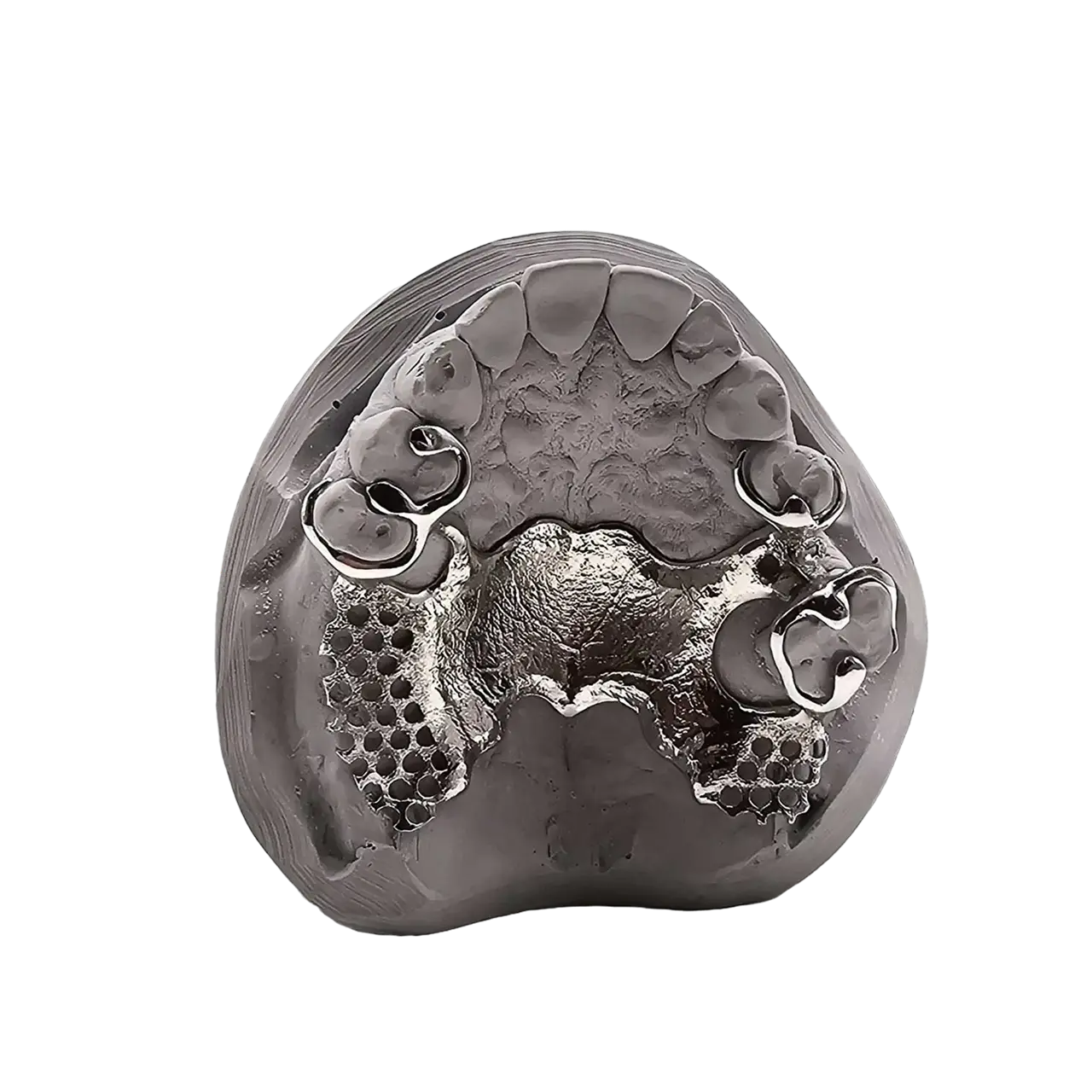
  • RPD frameworks
  • Implant components & abutments
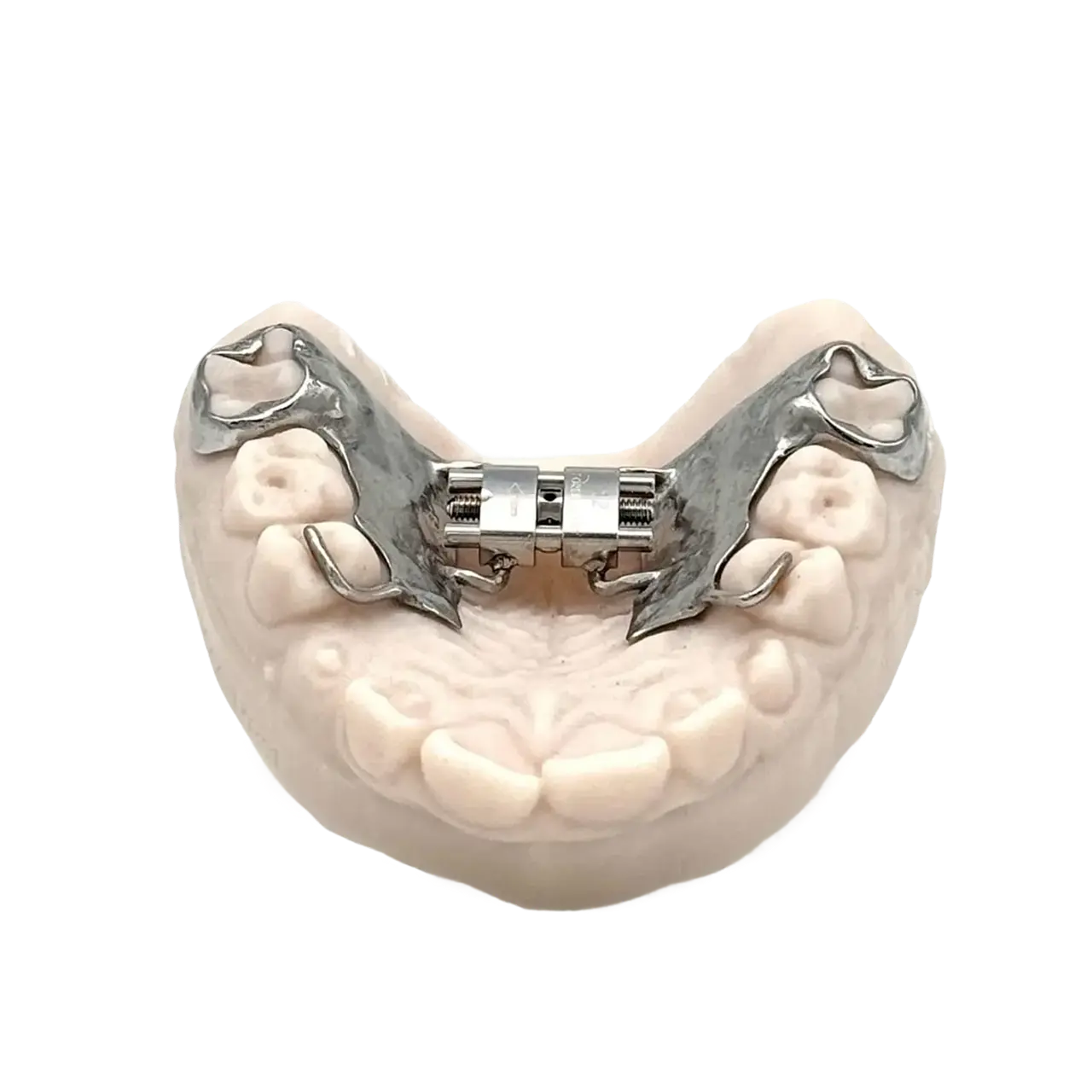
  • Orthodontic appliances
  • Surgical guides


These applications require high precision, strength, and repeatability.

Advantages for Dental Labs

  • Efficient & streamlined production workflows
  • High precision and repeatability
  • Reduced material waste and manual processing
  • Scalable batch manufacturing capabilities
  • Reliable and consistent production quality

Faster Workflows In Dental Production

Metal 3D printing streamlines production workflows by reducing manual steps and enabling direct CAD-based manufacturing.


Key advantages include:

  • Direct manufacturing from CAD data
  • Elimination of casting & conventional tooling steps
  • Reduced post-processing effort
  • Shorter production cycles
  • Consistent & reproducible results

Scalable Batch Manufacturing

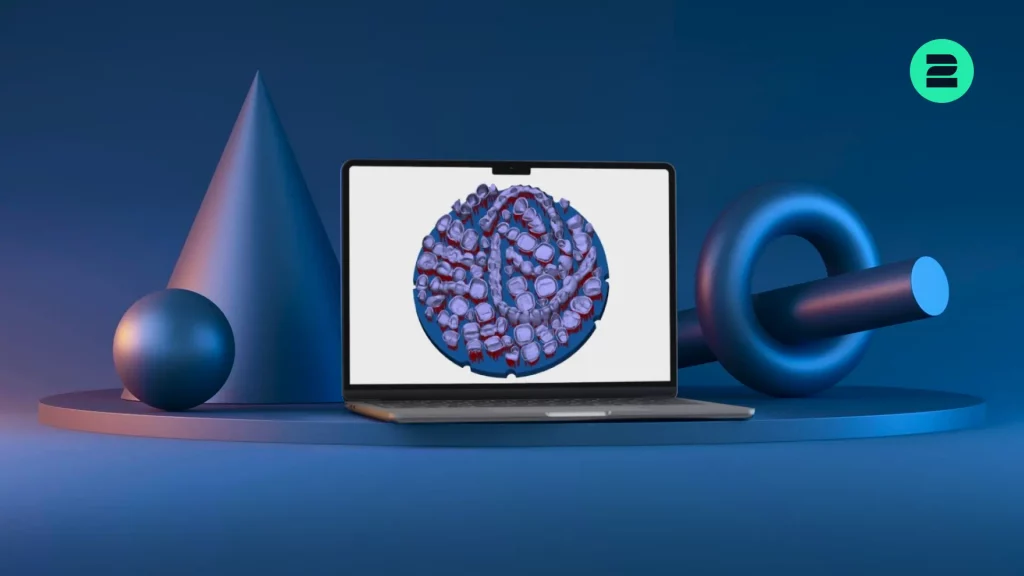
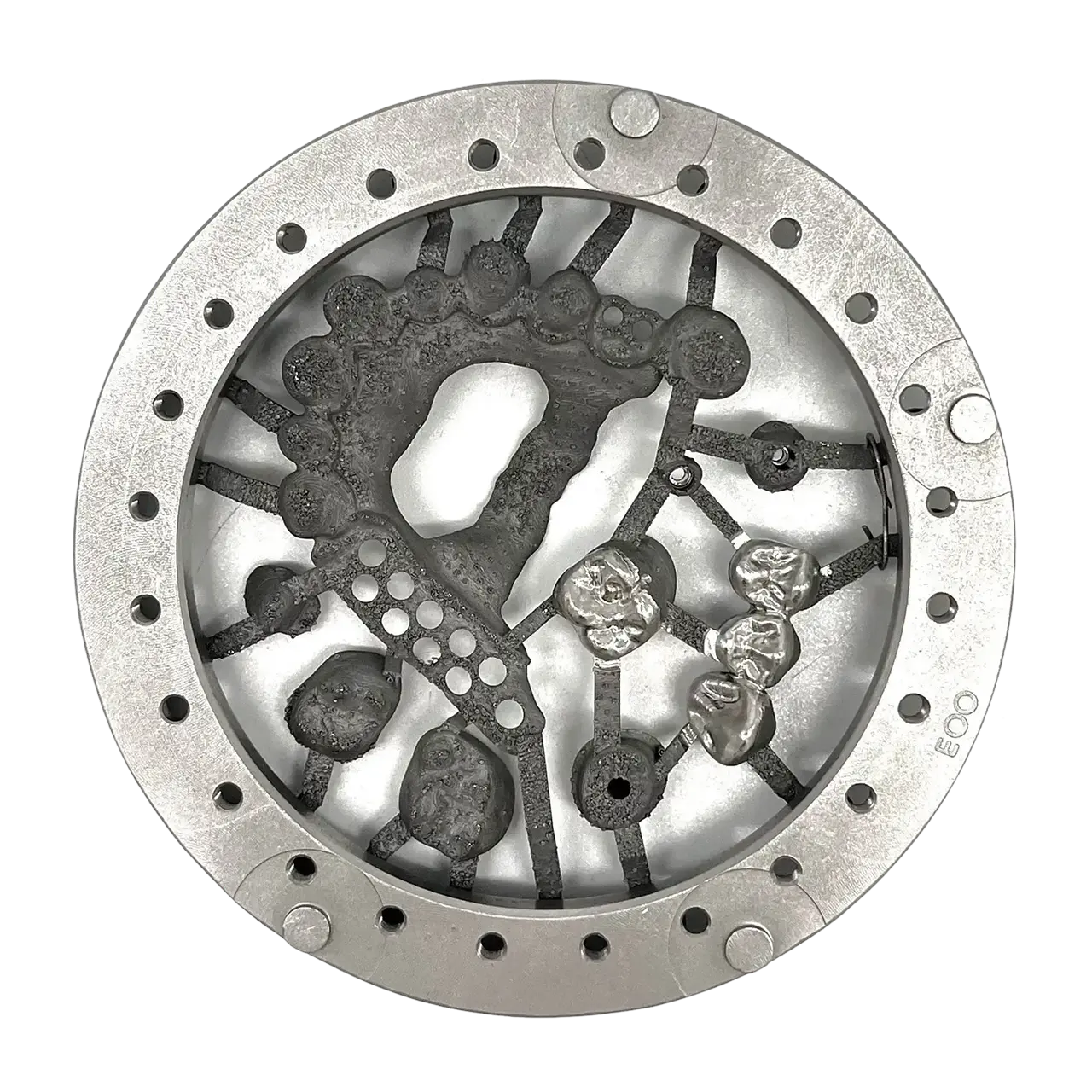
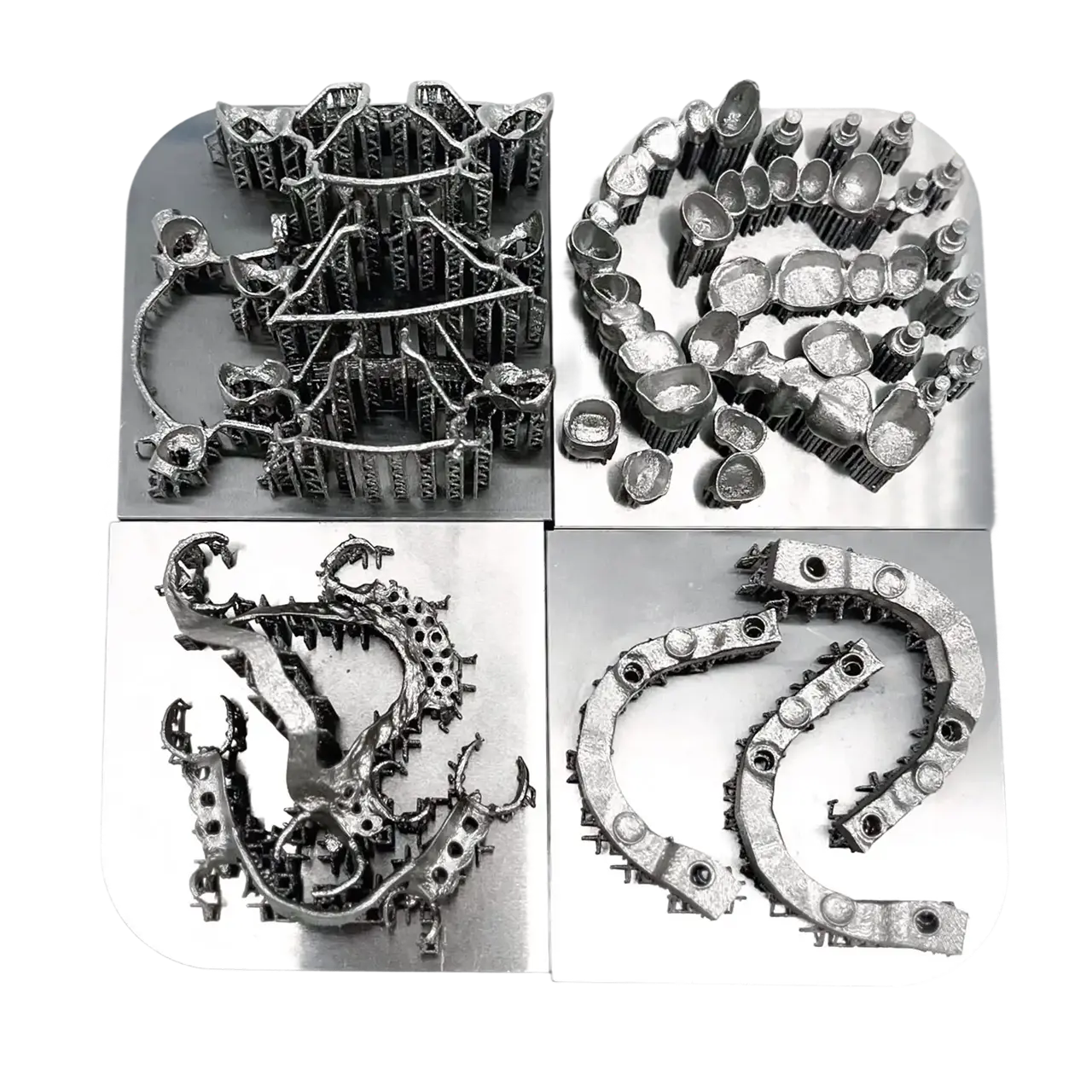
One of the key advantages of metal 3D printing in dental labs is the ability to manufacture multiple components in a single build job.


Key advantages include:

  • Higher production throughput
  • Efficient batch manufacturing
  • Reproducible production quality
  • Improved scalability for dental labs
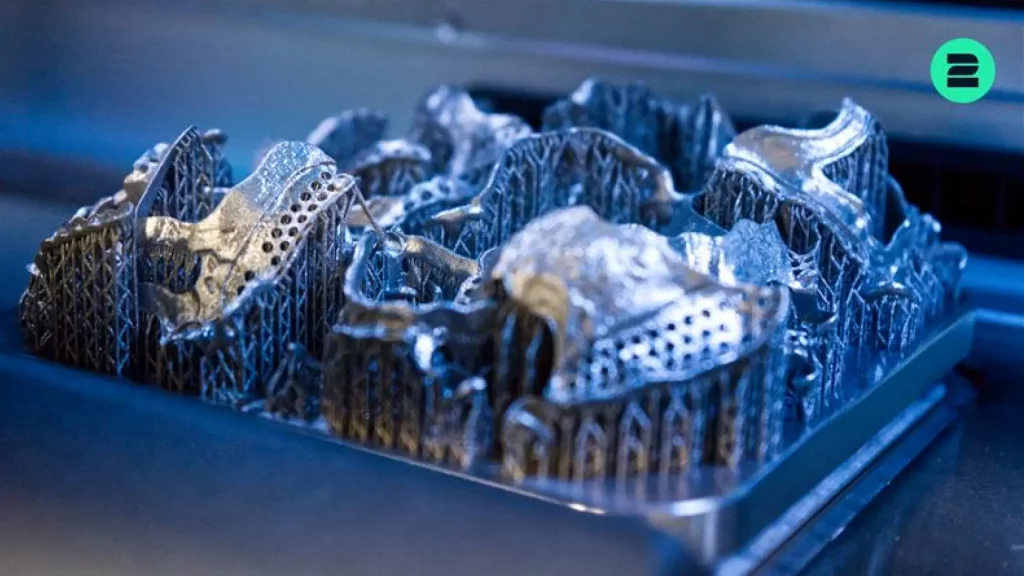
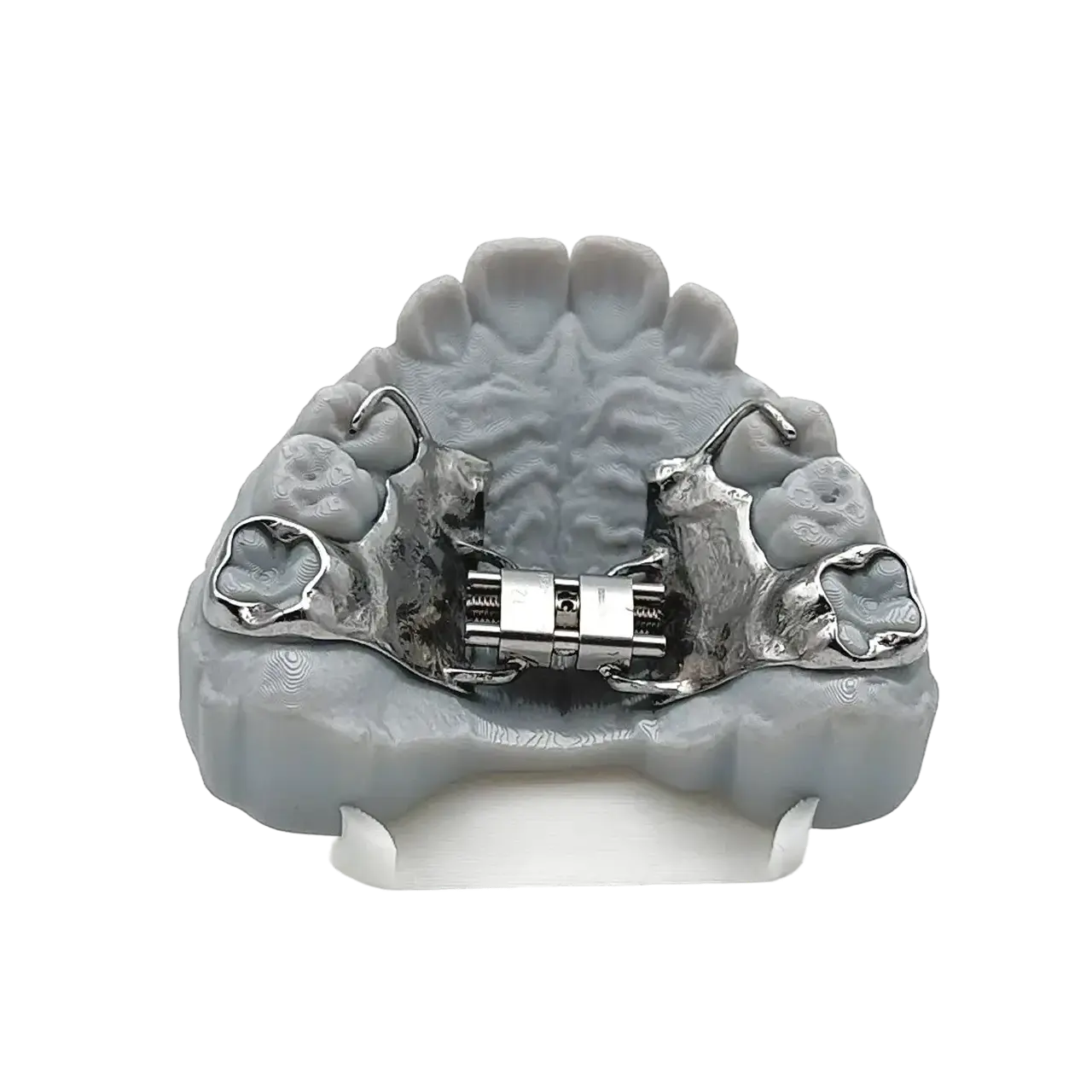
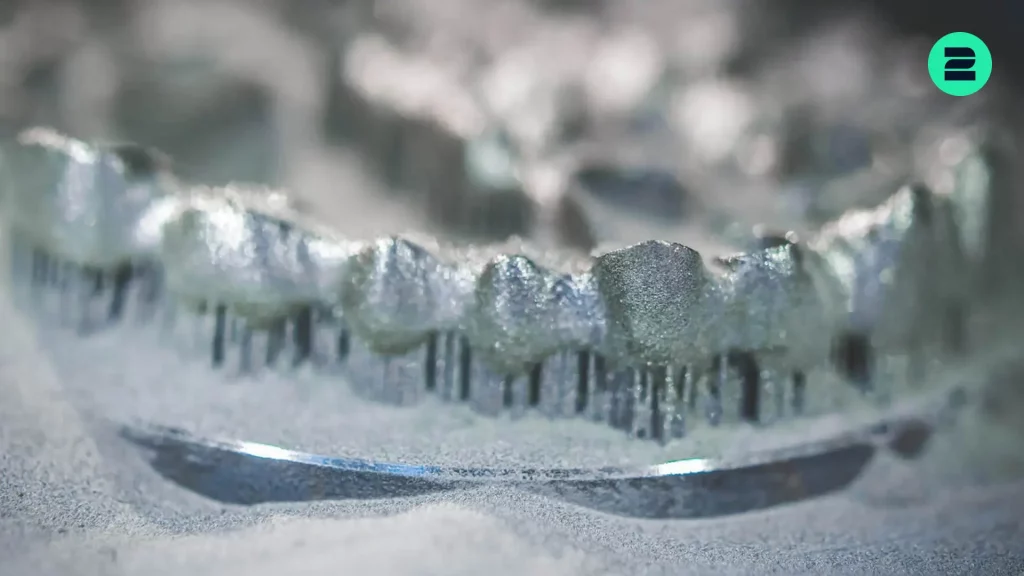
3D printed dental models (CoCr) by 2onelab
Dental Models (CoCr)

Technologies Used In Metal Dental Manufacturing

Powder Bed Fusion (PBF)

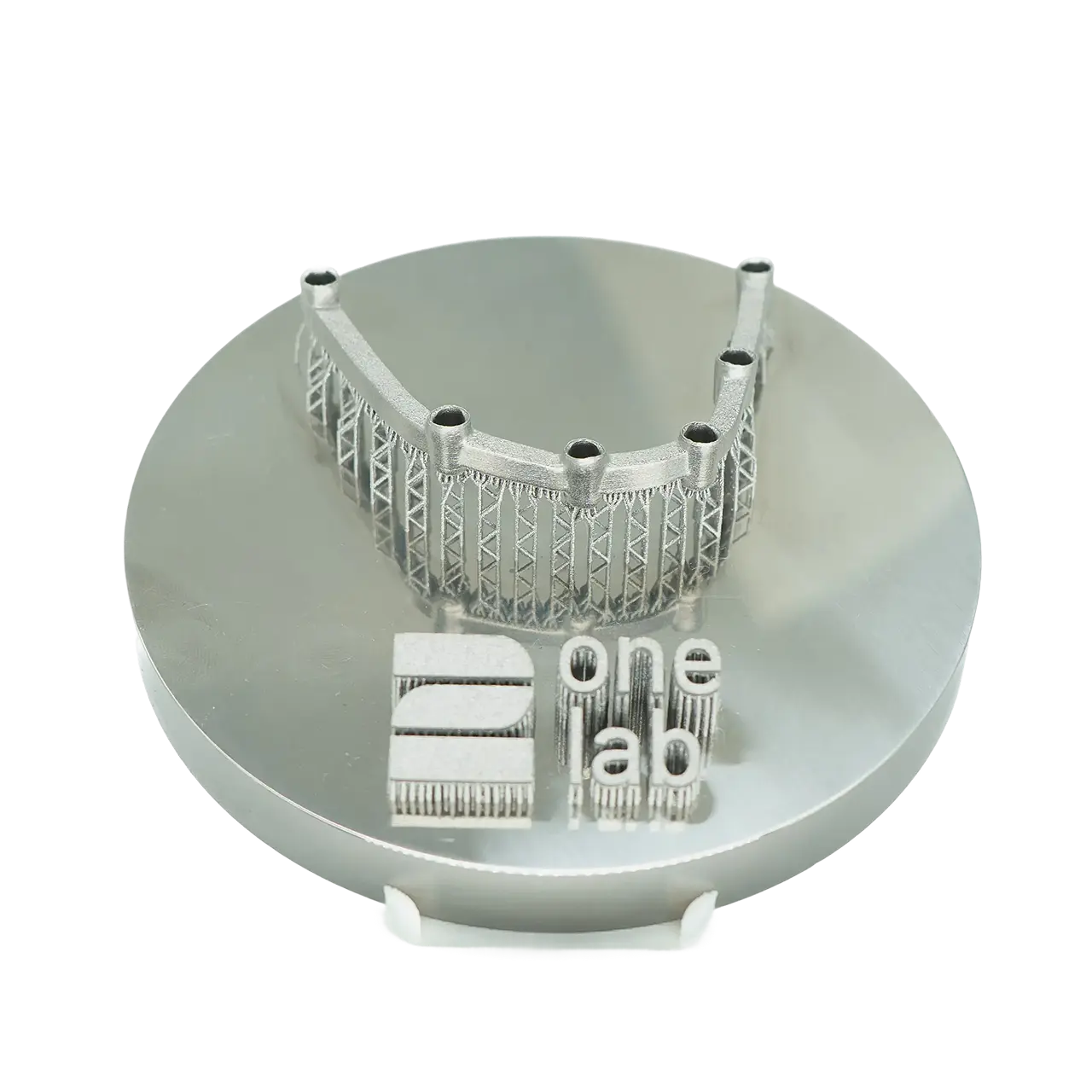
Powder Bed Fusion is an umbrella metal additive manufacturing technology in which metal powder is fused layer by layer using a laser.

It enables:
  • High dimensional accuracy
  • Complex geometries
  • Efficient material usage
  • Consistent repeatability

Selective Laser Melting (SLM)

Selective Laser Melting (SLM) is a widely used PBF-based technology in dental metal printing, producing dense and durable components with high precision.

Metal 3D printing - Layer by layer principle

Materials Used In Metal Dental 3D Printing

  • Cobalt-Chrome (CoCr) is commonly used for crowns, bridges, and RPD frameworks.
  • Titanium is widely used for implant structures due to its strength and biocompatibility.
  • Stainless steel may be used for selected orthodontic and dental applications.

Metal 3D Printing Vs Traditional Dental Manufacturing

Traditional Manufacturing

  • Casting-based workflows
  • High manual effort
  • Longer production cycles
  • Limited scalability
  • Material waste

3D Printing

  • Digital manufacturing
  • Reduced manual processing
  • Faster turnaround times
  • Efficient batch production
  • Optimized material usage

Conclusion

Metal 3D printing in dental labs enables faster workflows, efficient batch manufacturing, and highly precise production of dental components.

It improves production consistency and reduces manual processing in modern dental workflows.

Metal 3D Printers for Dental Labs

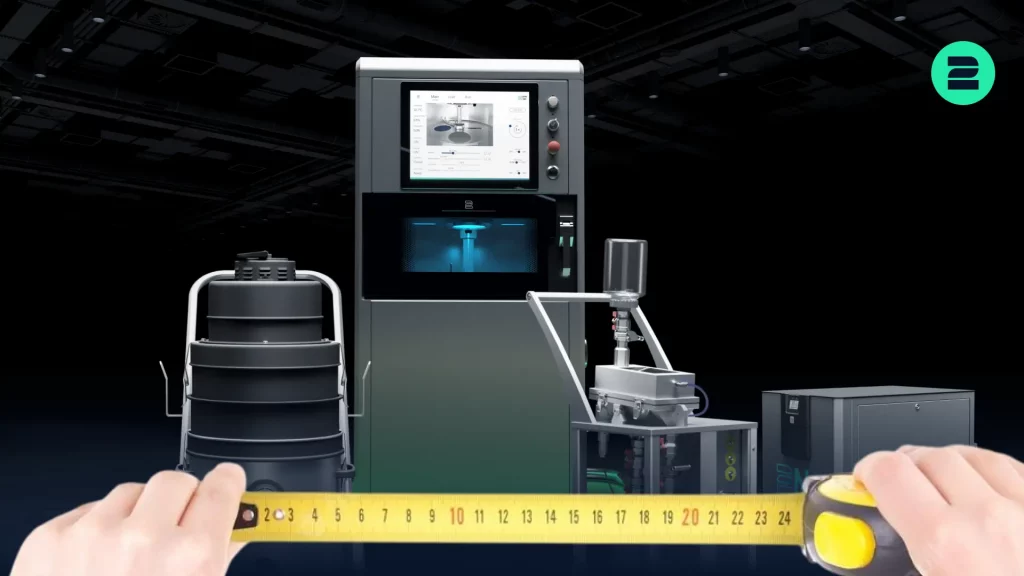
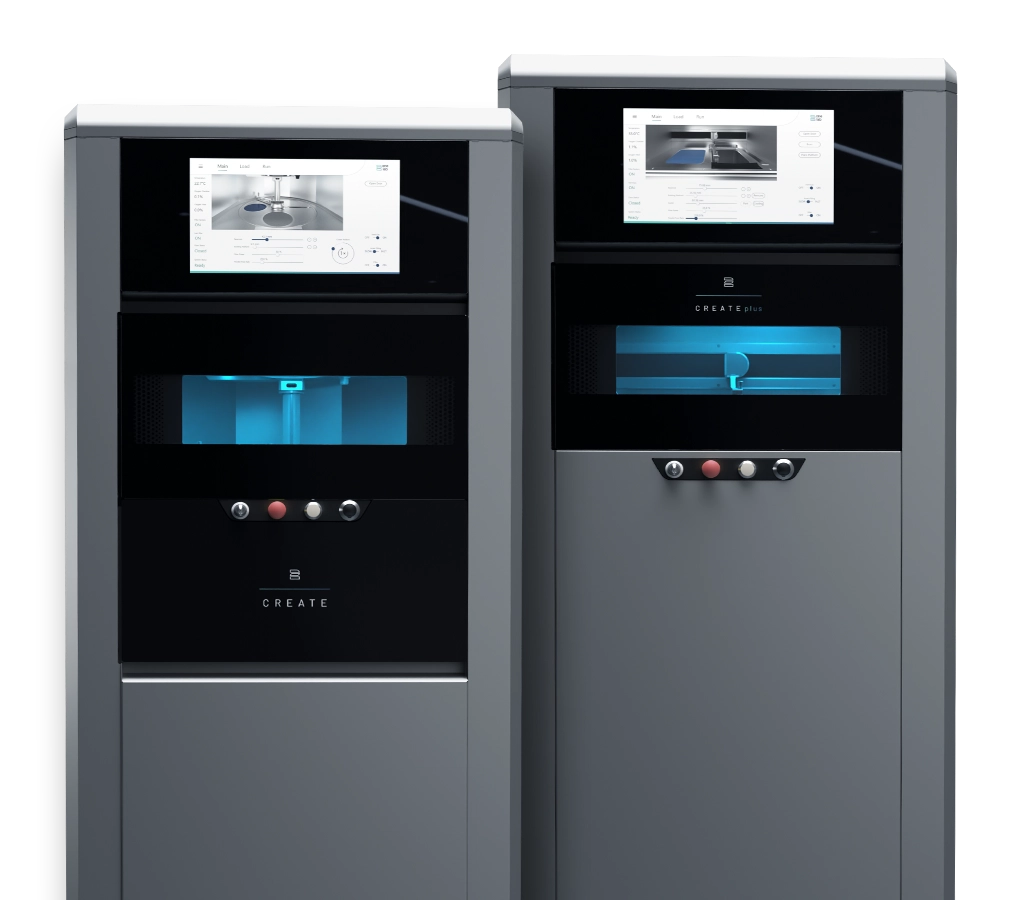
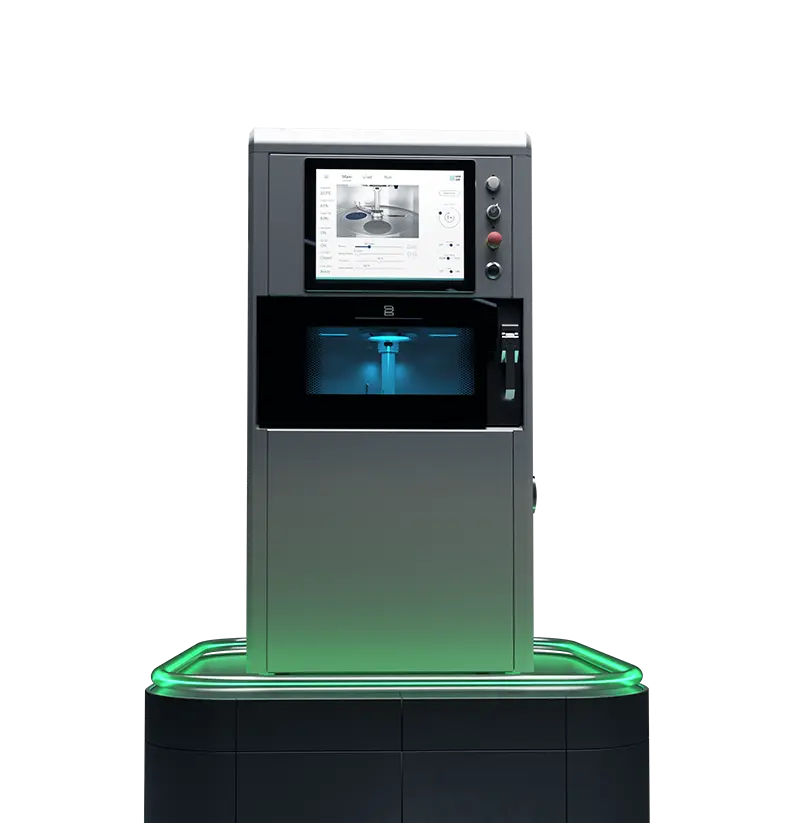
2Create/2Create Plus and 2Create Desktop – precision metal 3D printers for dental labs, used for crowns, bridges, frameworks, telescopic restorations, and implant structures, delivering accurate, efficient, and cost-effective production.

FAQ - Metal 3D Printing In Dental Labs

Metal 3D printing in dental labs is an additive manufacturing process used to produce metal dental components layer by layer from digital CAD data.

Metal 3D printing is used to manufacture crowns, bridges, RPD frameworks, implant components, orthodontic appliances, and surgical guides with high precision and repeatability.

Key advantages include faster workflows, scalable production, reduced manual labor, improved manufacturing consistency, and high dimensional accuracy.

Further links:

What Is 3D Printing In Dentistry?

Learn all about processes, applications, key materials and benefits for dental labs.