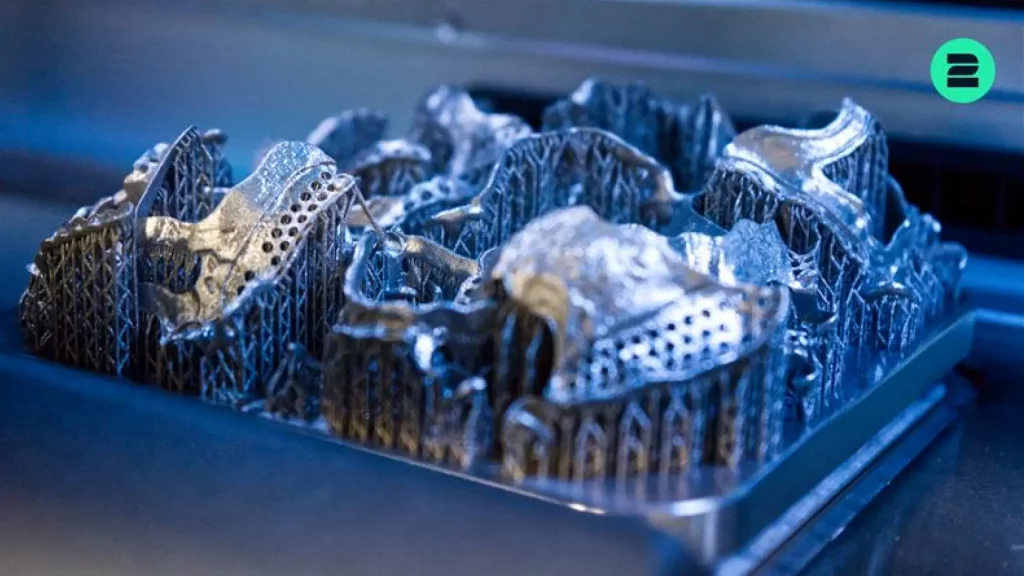
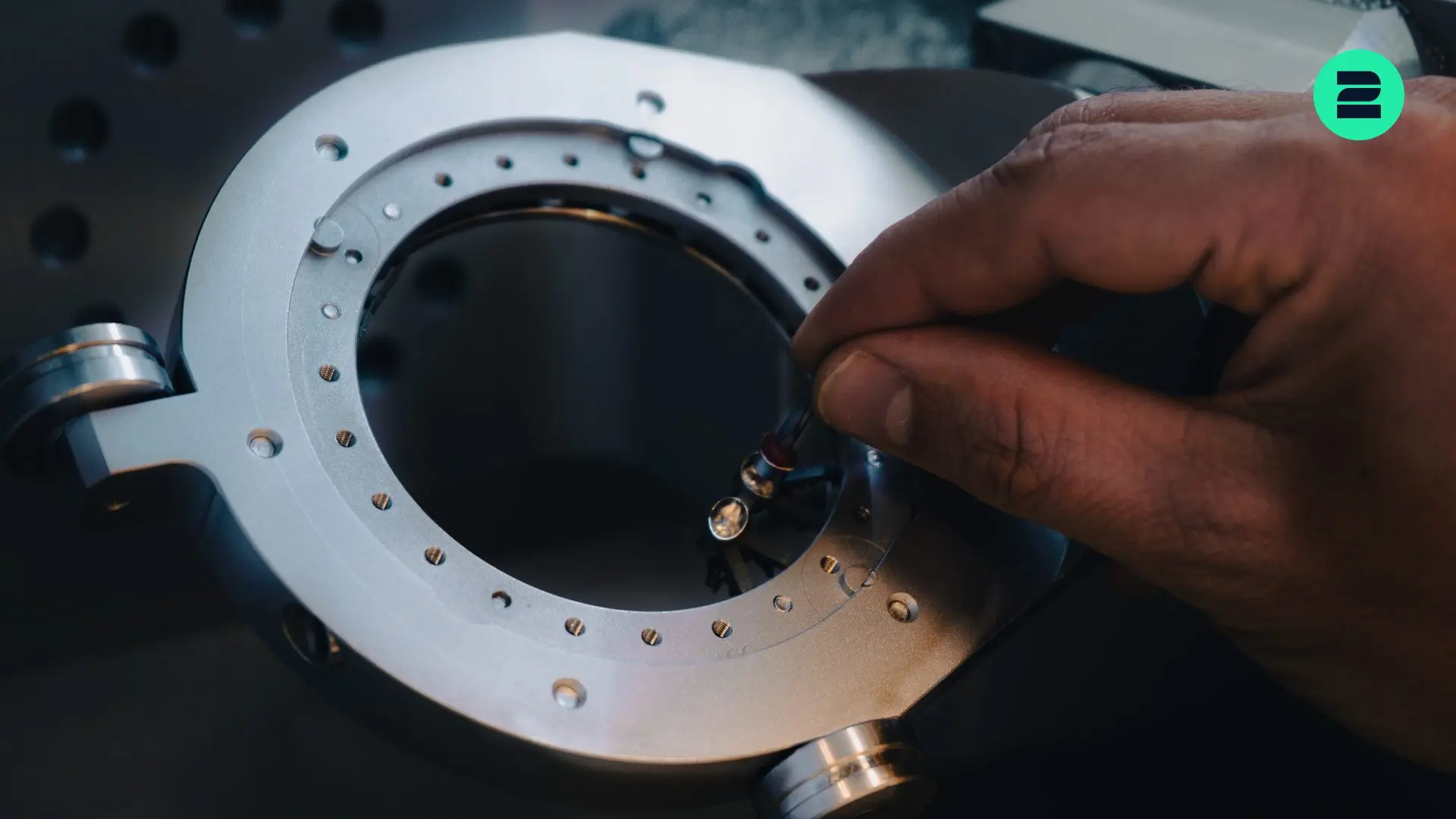

Discover how hybrid manufacturing of 2onelab and CIMsystem is redefining dental technology. Metal 3D printing and CNC milling work seamlessly together to produce implants, telescopic crowns, and RPD frameworks with precision, efficiency, and perfect fit – offering maximum design freedom with minimal effort.
Key Points in Brief:
- 2onelab Hybrid Workflow: Metal 3D printing combined with CNC milling for precise dental production.
- Dental Applications: Implant-supported restorations, telescopic crowns, RPD frameworks
- Advantages: Efficient, precise, and flexible – ideal for complex dental applications.
- Industries: Dental & medical technology, aerospace, automotive.
You are currently viewing a placeholder content from Default. To access the actual content, click the button below. Please note that doing so will share data with third-party providers.
More InformationWhat is Hybrid Manufacturing?
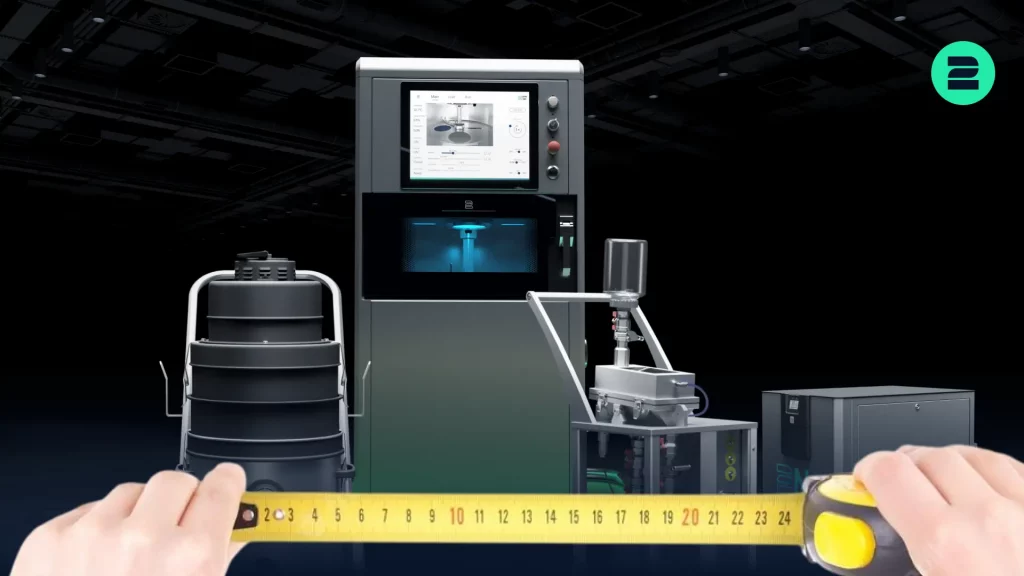
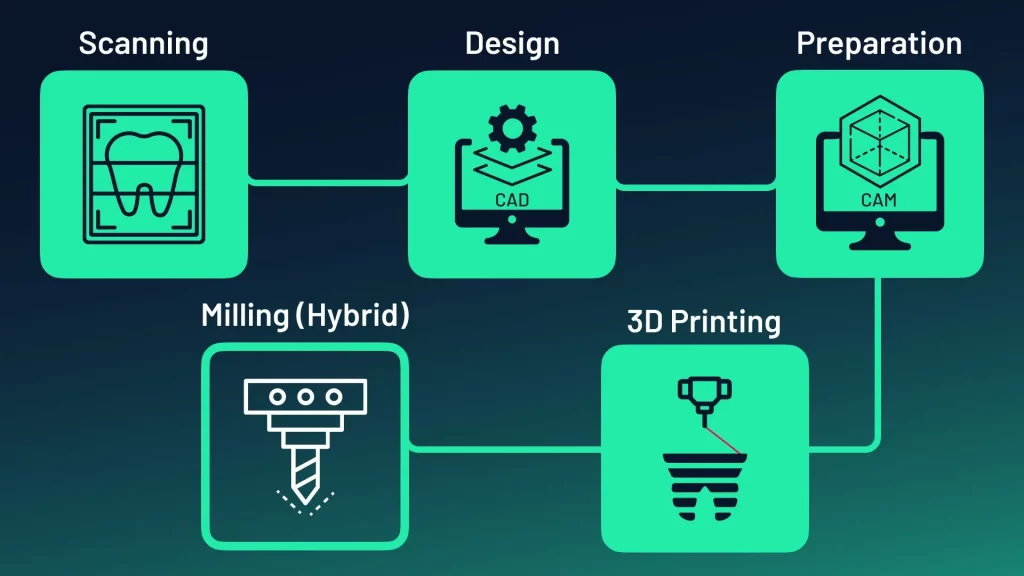
Hybrid manufacturing refers to the combination of additive manufacturing (3D printing) and subtractive processes such as CNC milling. It forms a key part of modern digital dentistry workflows.
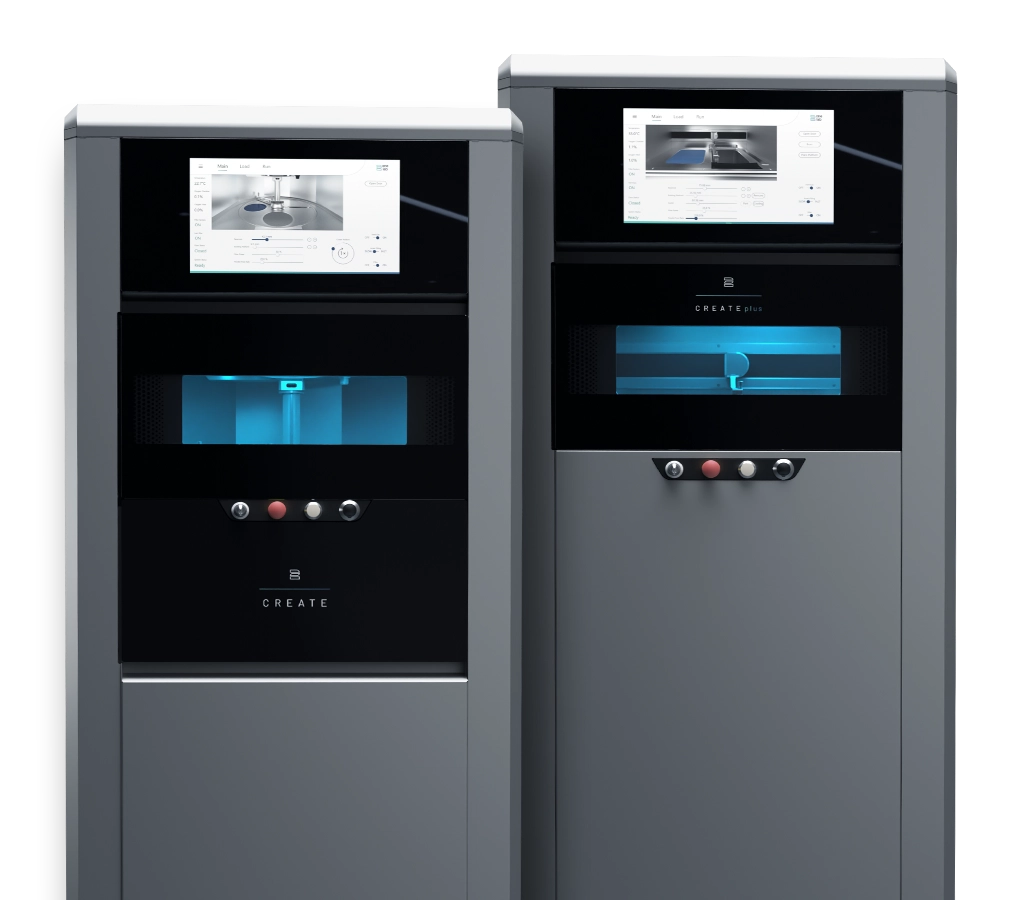
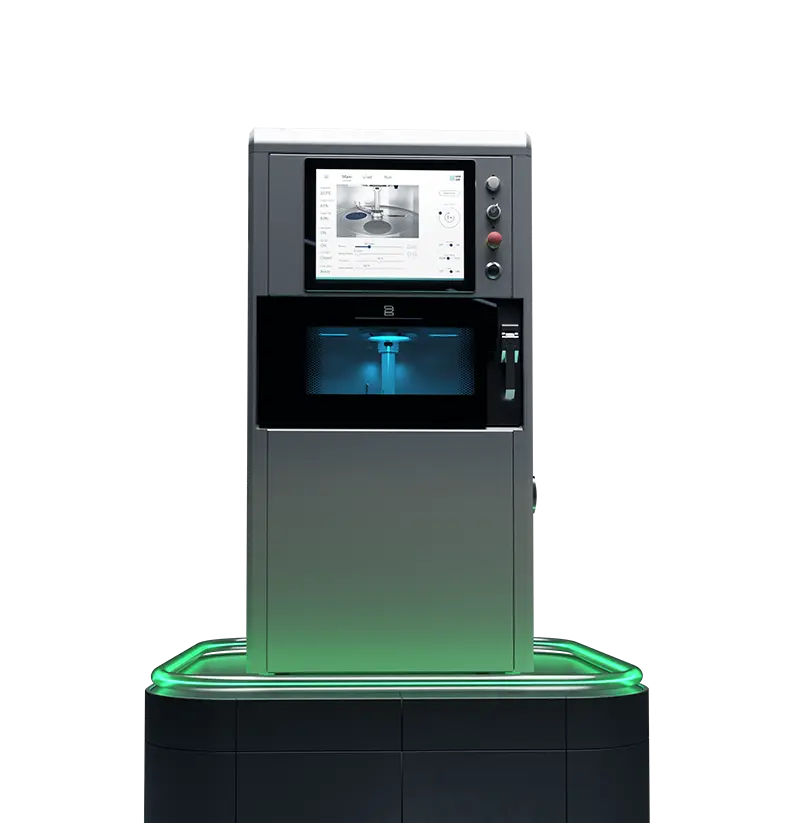
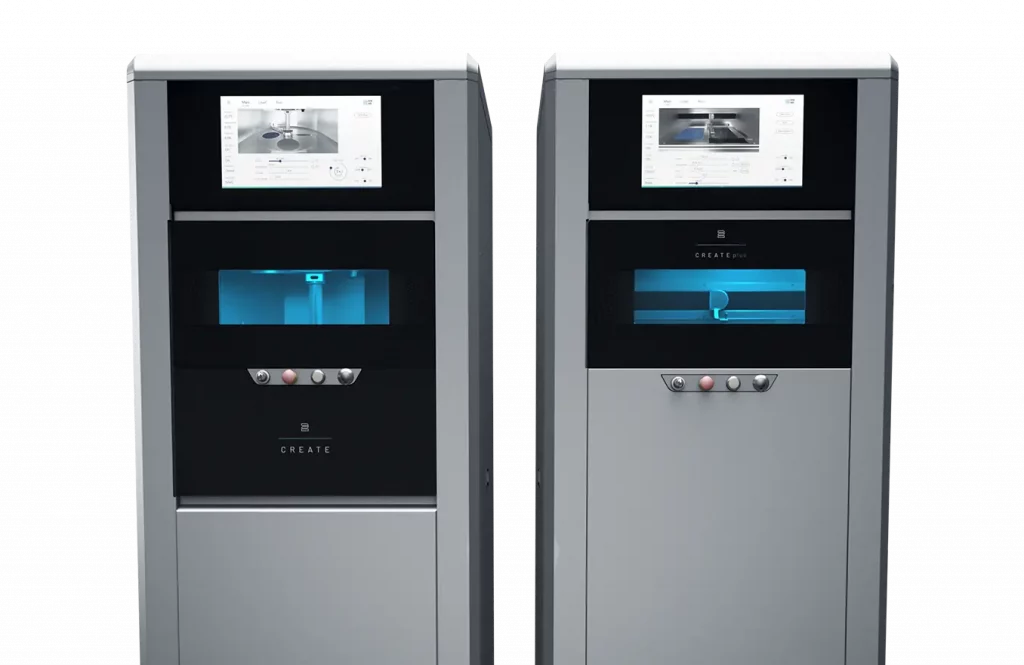
At 2onelab, hybrid manufacturing takes place across two separate systems: a metal 3D printer (2Create/2Create Plus, 2Create Desktop) and a CNC milling machine, which work together in a coordinated process.
The Future of Hybrid Dental Workflows
2onelab x CIMsystem
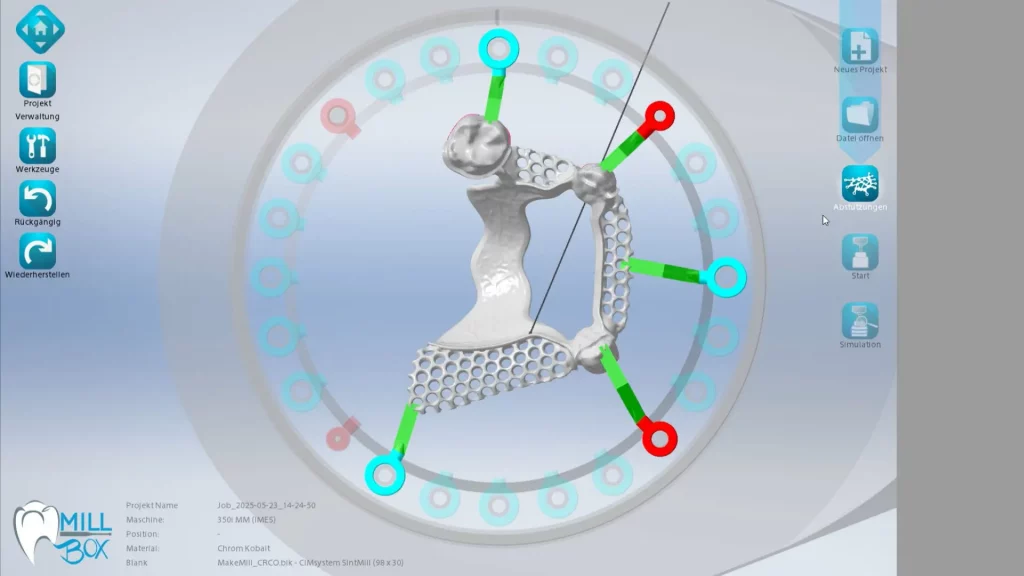
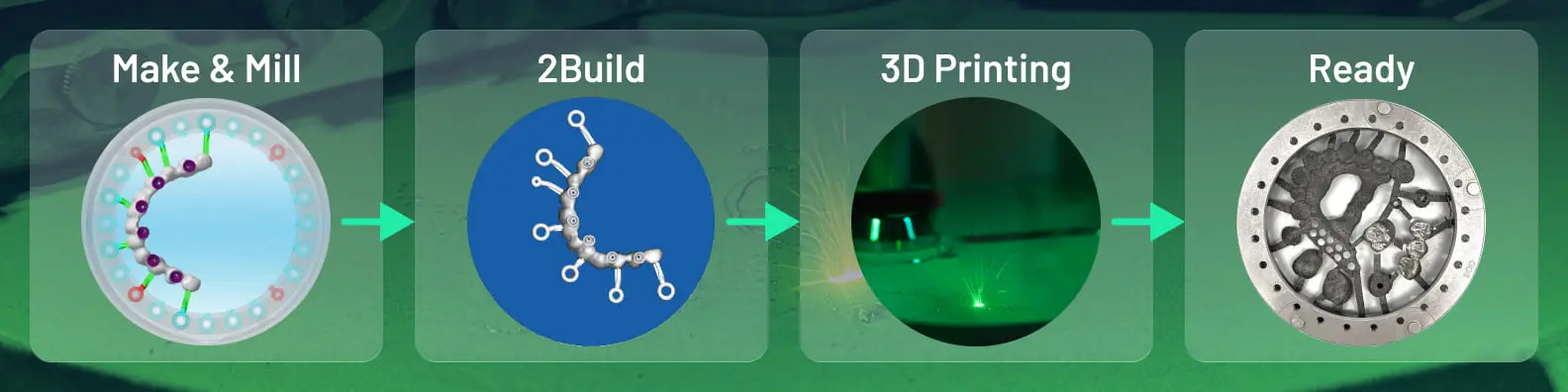
With Make&Mill from CIMsystem and 2onelab, an efficient hybrid workflow is created that seamlessly combines metal 3D printing with precise milling.
“The close collaboration between CIM Systems and 2onelab opens up entirely new possibilities for dental technicians in their daily work: maximum design freedom in 3D printing combined with pinpoint precision through targeted post-processing. This transforms a good telescopic crown into a perfect one – with optimal friction and fit, directly from the digital workflow.”
– Markus Wolf, CTO 2oneLab GmbH
Digital Hybrid Manufacturing
Ewert Zahntechnik leverages the 2onelab and CIMsystem digital hybrid solution to create a precise workflow for 3D-printed telescope components with re-milled cavities.
You are currently viewing a placeholder content from Default. To access the actual content, click the button below. Please note that doing so will share data with third-party providers.
More InformationProcess: Hybrid Manufacturing for Perfect Telescopic Fit
Hybrid manufacturing combines the design freedom of 3D printing with the precision of milling – ideal for telescopic work where exact friction and perfect fit are crucial.
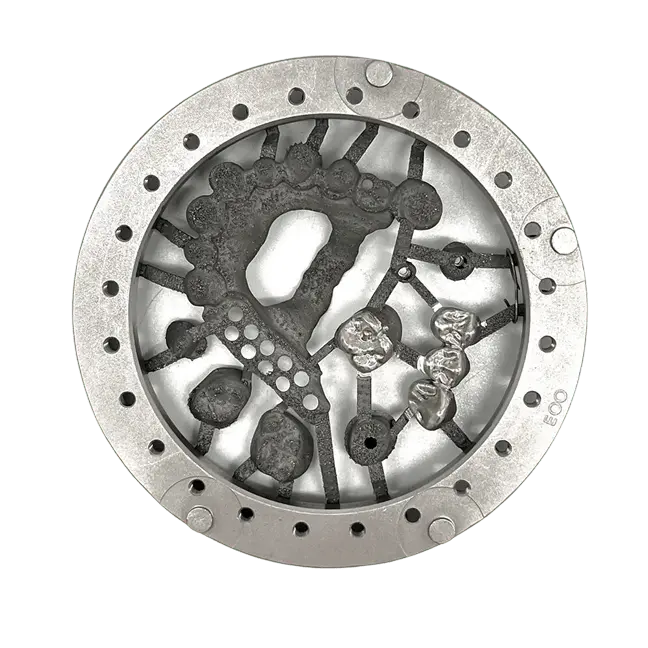
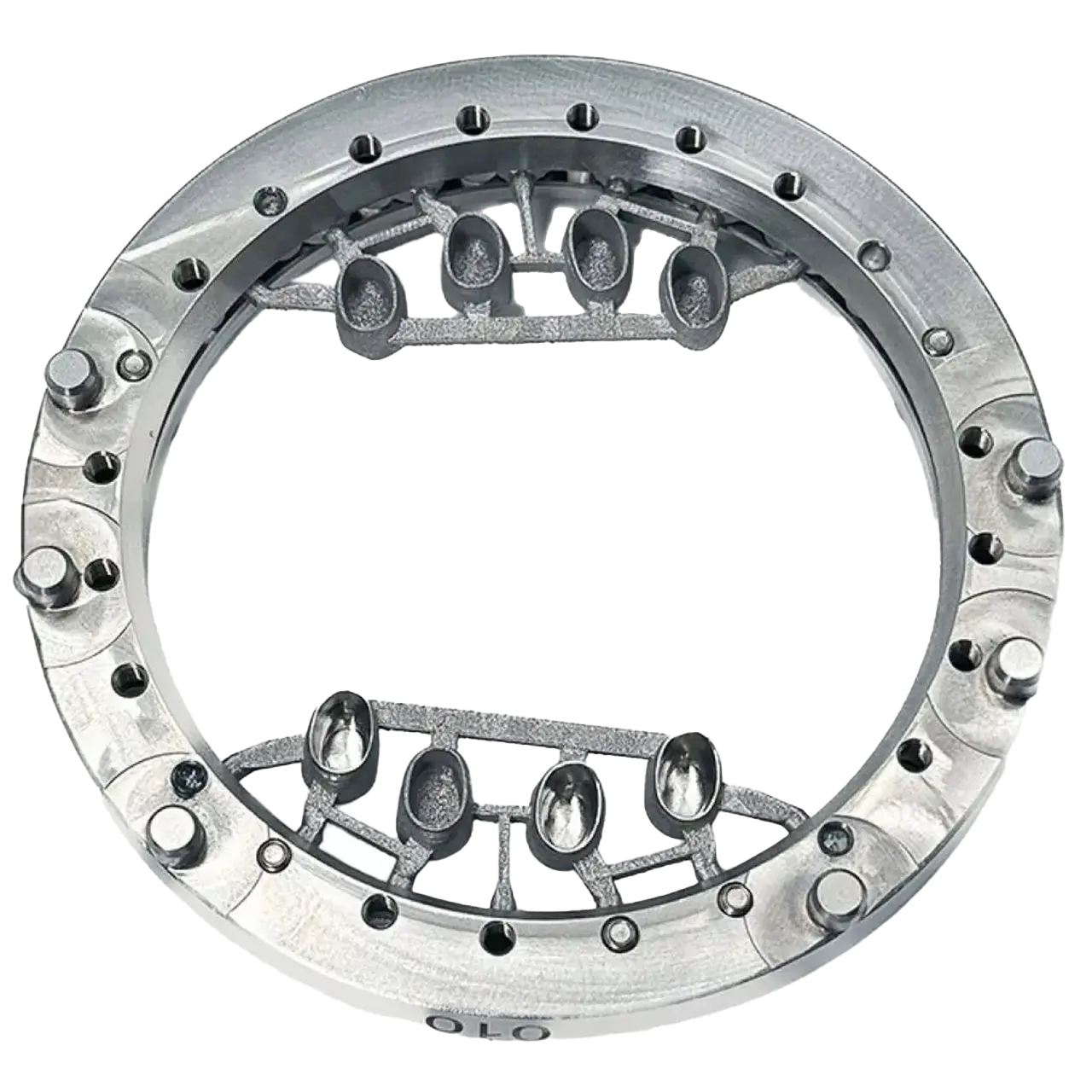
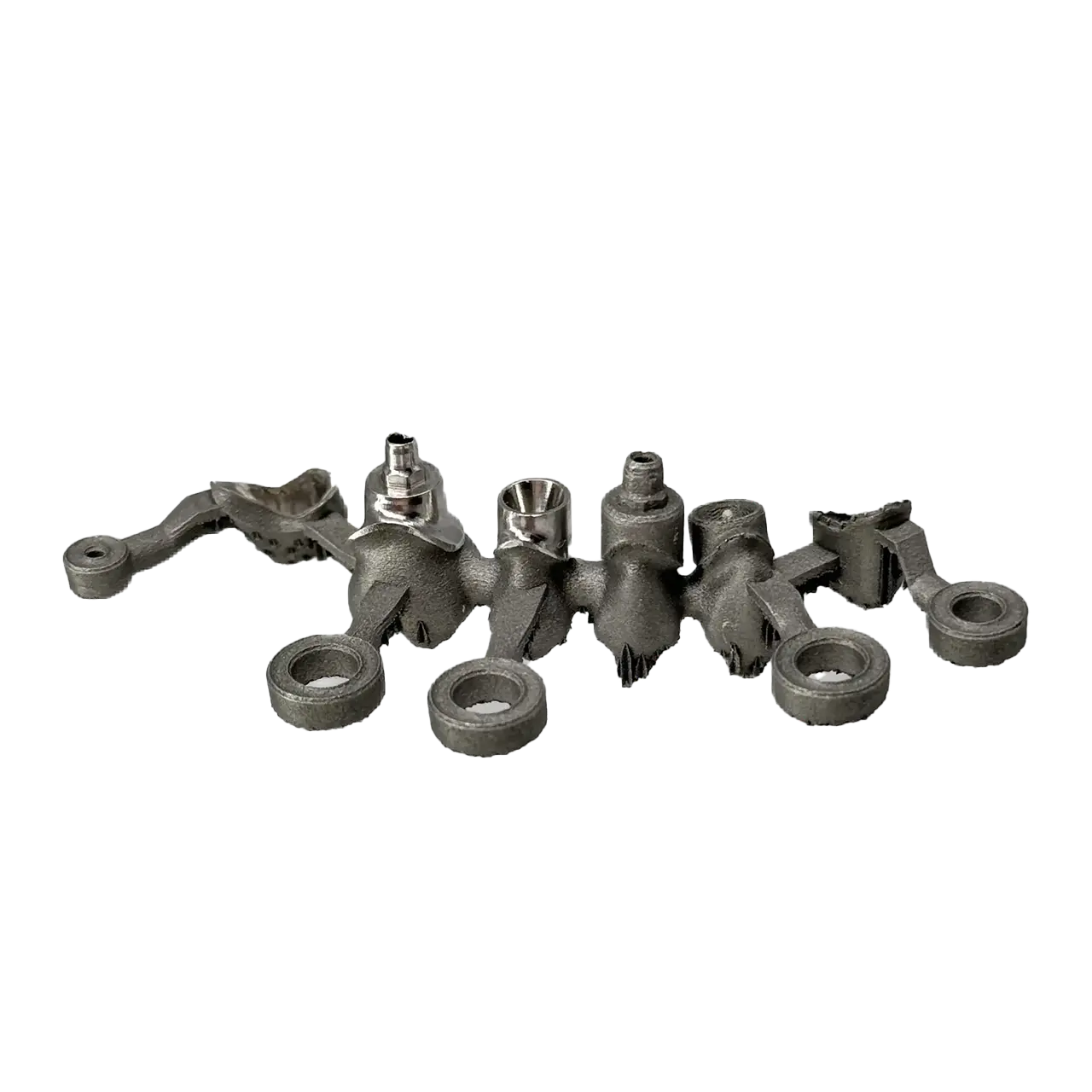
The zero point for the milling machine is printed directly onto the part in the form of a so-called butterfly holder. This allows the part to be precisely clamped into the dental milling machine after printing without repositioning (compatible with all common milling machines such as VHF, imes-icore, and many more).
Post-Processing
After printing, the part undergoes thermal treatment to relieve stress. Subsequently, post-processing is performed on the milling machine—exclusively on the functional surfaces, e.g., the inner telescopic crown or the friction area. This allows precise adjustment of the friction without altering the rest of the geometry.
Hybrid Manufactured Dental Applications
Hybrid workflows are particularly well-suited for dental applications where precise fit and mechanically optimized surfaces are crucial. They are especially effective for:
- Implant-supported restorations
- RPD frameworks
- Telescopic crowns made of non-precious metals (NEM)
- Fully anatomical restorations, where defined occlusal or friction surfaces require mechanical optimization
Advantages of Hybrid Manufacturing
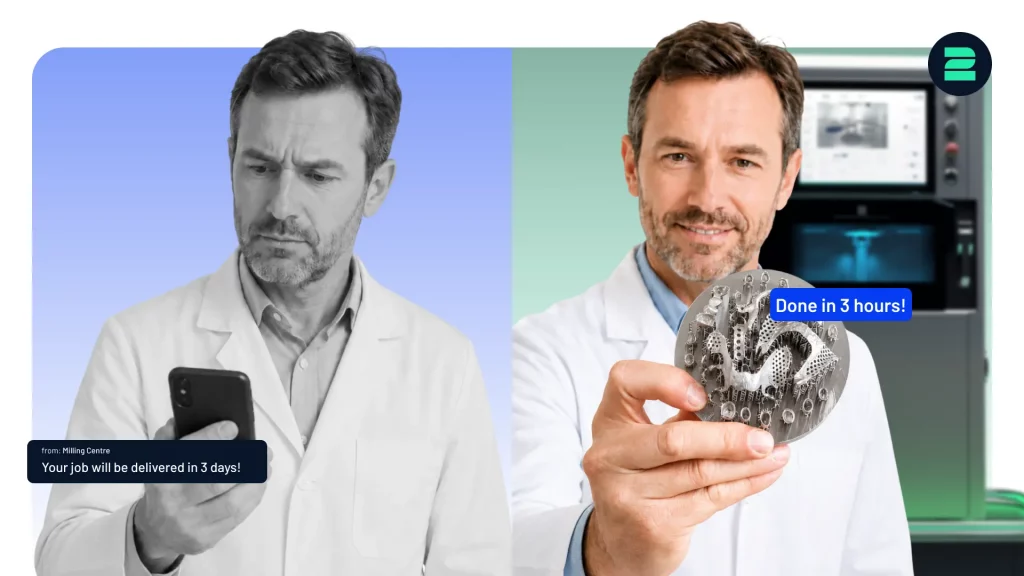
Previously, parts were laboriously milled from blanks—time-consuming, material-intensive, and requiring many tools.
Today, they are rapidly produced additively and then selectively post-processed. This saves time, resources, and opens up new possibilities in production.
Advantages at a Glance:
- Combination of 3D printing & targeted post-milling
- Time- and cost-efficient workflow
- Significantly reduced production time
- Minimal material consumption
- Reduced tooling requirements
- High flexibility and design freedom
- High precision and reproducible fit
Hybrid manufacturing (3D printing + targeted post-milling) has long proven its value—and the best part: any dental laboratory can implement this efficient process easily, without extensive effort or specialized know-how.
Industries Using Hybrid Manufacturing Technologies
Hybrid manufacturing technologies are already used across numerous industries:
- Dental & Medical Technology: Custom-fit implants, prostheses, and other prosthetic solutions
- Aerospace: Production of complex, lightweight, yet strong components
- Automotive: Complex vehicle parts can be manufactured in integrated processes, saving time and costs
Conclusion – Hybrid Manufacturing
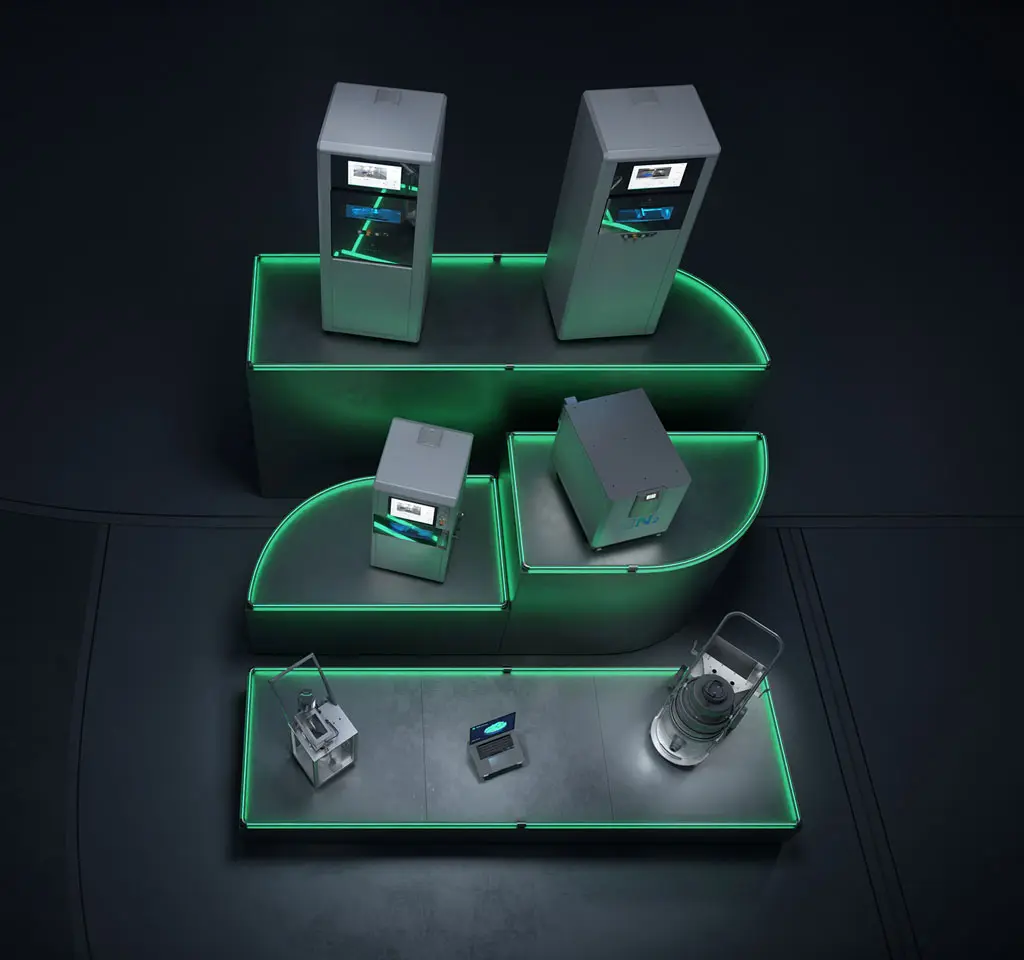
Metal 3D Printing Solutions for Dental Labs
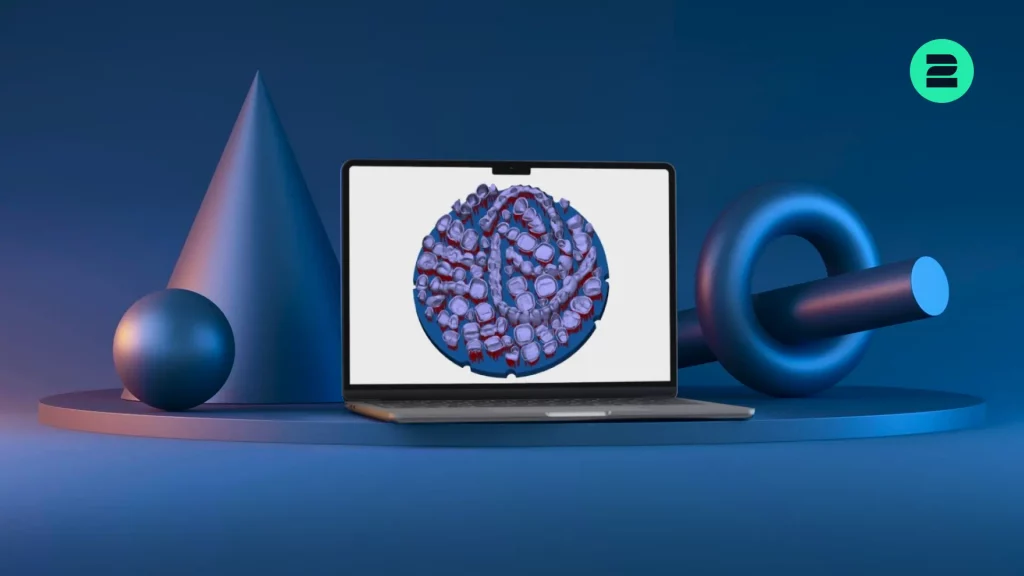
2onelab supplies the complete range of products for a seamless dental workflow—from 2Build data preparation to 3D printing, heat treatment, and powder processing.
FAQ - Hybrid Manufacturing
What Is Hybrid Manufacturing or Hybrid Additive Manufacturing?
Hybrid manufacturing combines additive processes (3D printing) with subtractive processes such as CNC milling or grinding in an integrated workflow.
Hybrid additive manufacturing specifically refers to the additive part, which is then precisely post-processed.
What Advantages Do Hybrid Manufacturing Technologies Offer Compared to Conventional Manufacturing?
Hybrid manufacturing technologies combine the strengths of 3D printing and CNC machining. They enable maximum design freedom, higher precision, fewer process steps, and efficient material use, significantly saving time, costs, and resources compared to conventional manufacturing.
How Does Dental Technology Benefit From Hybrid Manufacturing With 2onelab and CIMsystem?
With the hybrid workflow from 2onelab and CIMsystem, implants, telescopic crowns, and RPD frameworks can be manufactured efficiently, precisely, and directly from the digital workflow.
Further links:
Digital Dentistry for Dental Labs
Digital Dentistry made simple with 2onelab: Explore full and hybrid workflows to enhance speed, precision, and efficiency — from scan to finish!