
2onelab

Table of Contents

Cobalt Chromium vs. Titanium in Dental 3D Printing cover

Cobalt Chromium vs. Titanium in Dental 3D Printing

Cobalt-Chromium vs. Titanium: Learn all about these two key alloys in modern dental manufacturing.

Key Points in Brief:

  • Co Cr: Strong & durable, ideal for crowns, dentures, & partial dentures.
  • Titanium: Lightweight, biocompatible, ideal for implants & custom restorations.
  • Material Choice: Depends on function, load, & patient-specific needs.
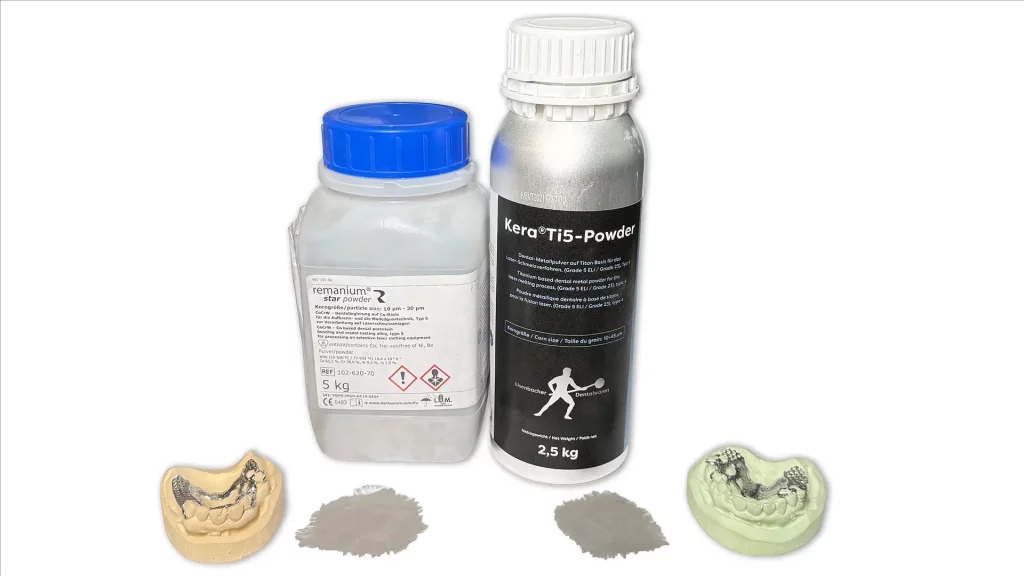
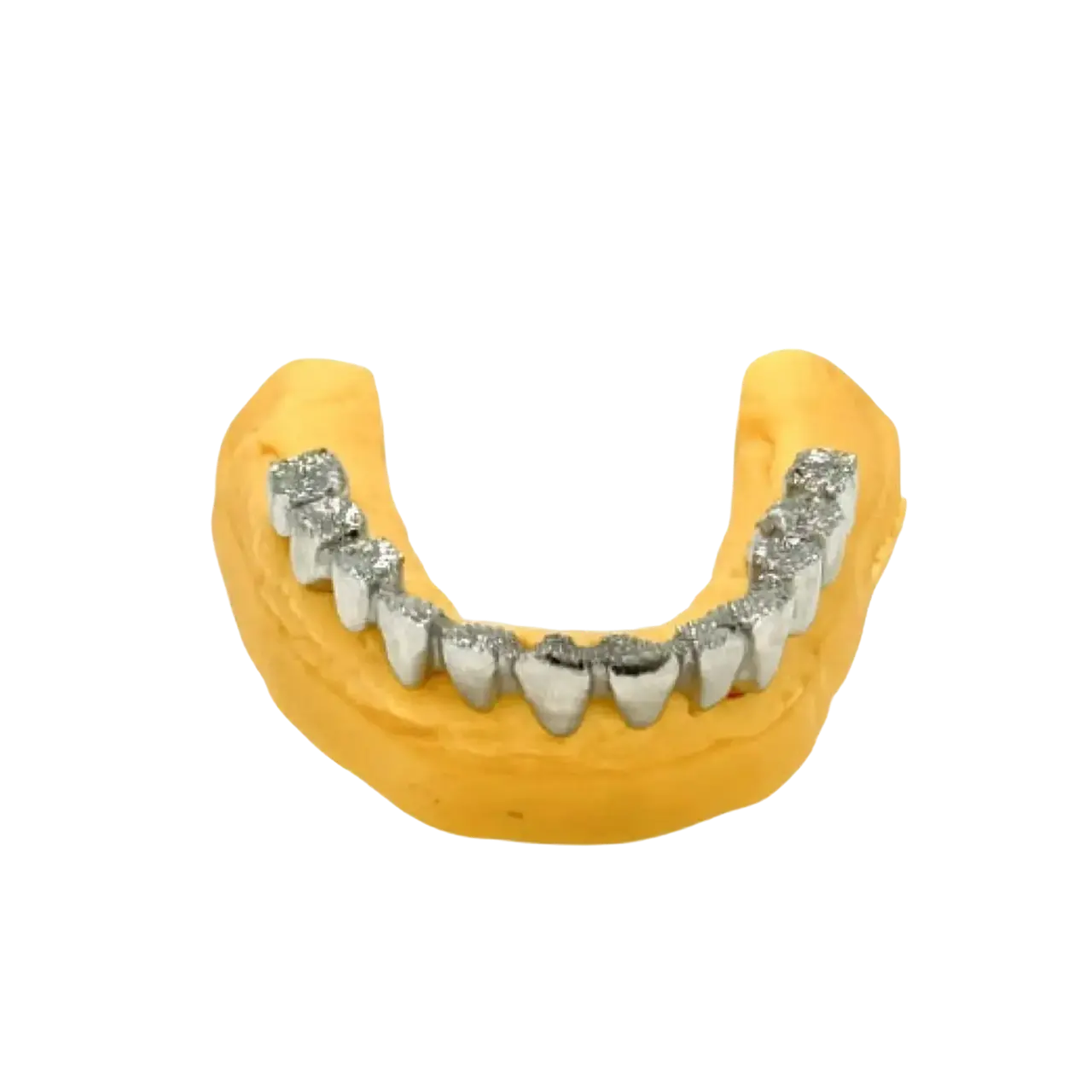
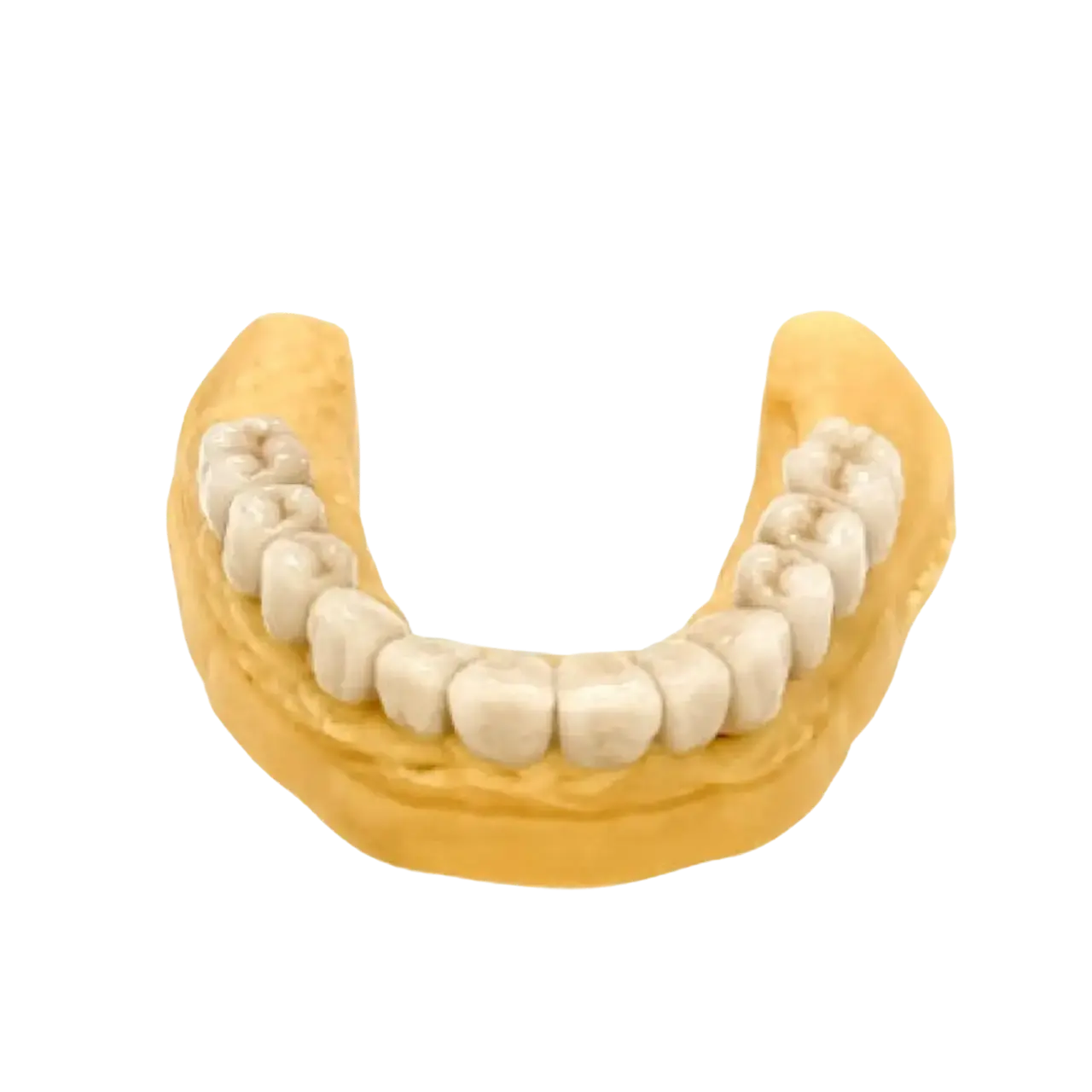
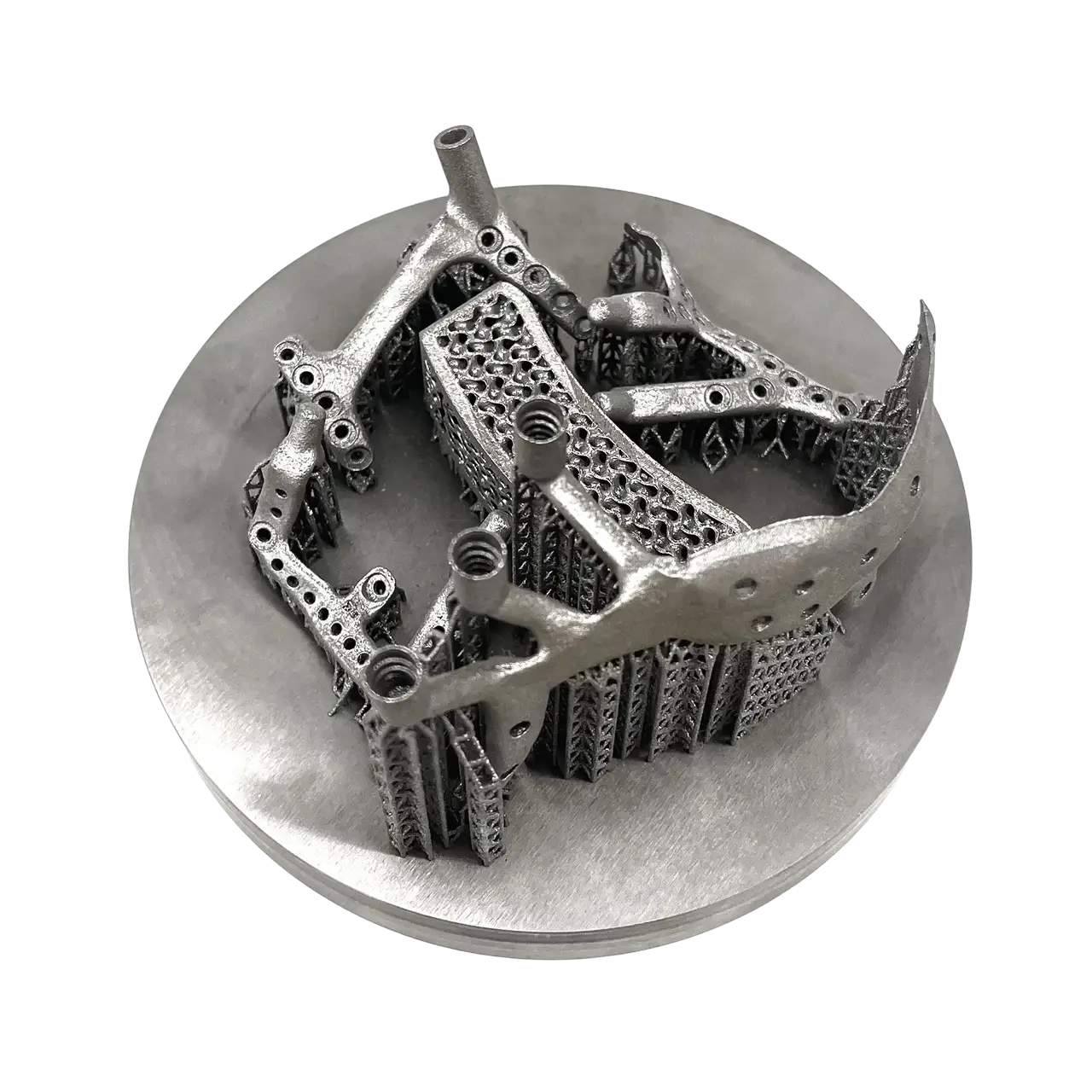
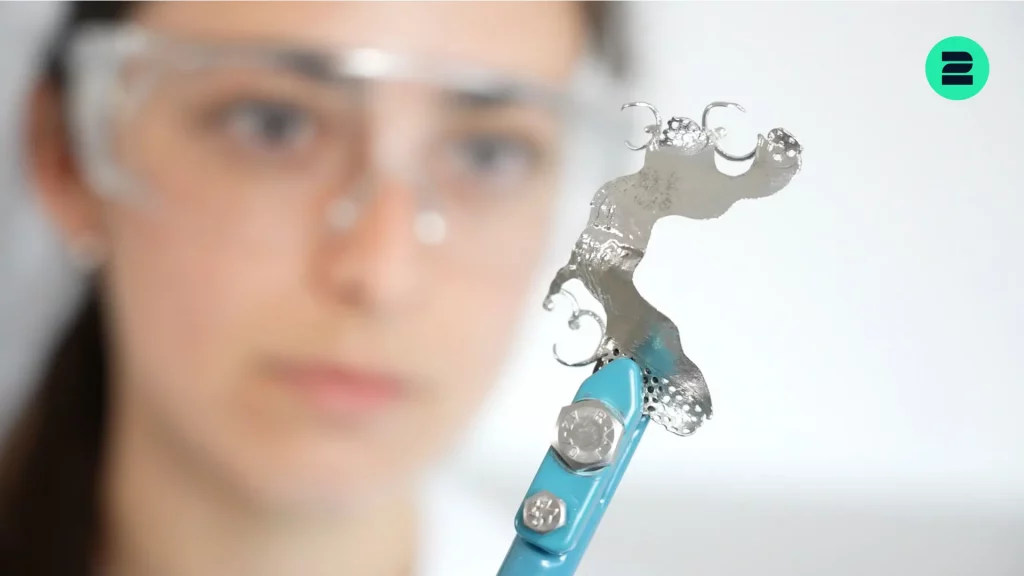
Titanium and cobalt-chromium (cocr) powders and their applications.
Applications and powders of CoCr (left) and titanium (right).

Cobalt-Chromium vs. Titanium

In dental metal 3D printing, Cobalt-Chromium (Co‑Cr) and Titanium (Ti / Ti6Al4V) are two essential materials. Co‑Cr stands out for its strength and durable frameworks, while Titanium excels with lightweight and excellent biocompatibility.

Both can be printed directly from metal powder, enabling precise, custom dental components.

Cobalt-Chromium (Co‑Cr) Properties

Cobalt-Chromium properties make it a proven standard in dental manufacturing:

  • Strength & Hardness: supports load-bearing frameworks and partial dentures
  • Corrosion Resistance: forms a passive oxide layer, ensuring durability in the oral environment
  • 3D Printability: allows precise crowns, bridges, and removable partial denture frameworks (RPDs)

Titanium Properties

Titanium properties make it highly desirable in dentistry:

  • Biocompatibility: : excellent for dental implants
  • Lightweight & Strong: low weight without compromising stability, suitable for dentures and partial dentures
  • Durable & Corrosion Resistant: ideal for long-term intraoral use

Metal 3D Printing Applications – Co‑Cr & Titanium

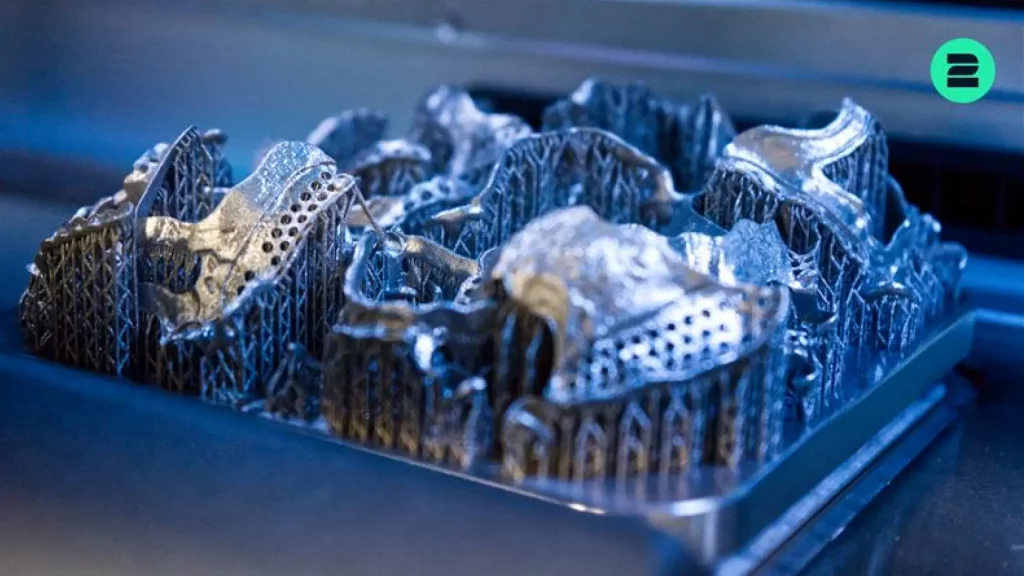
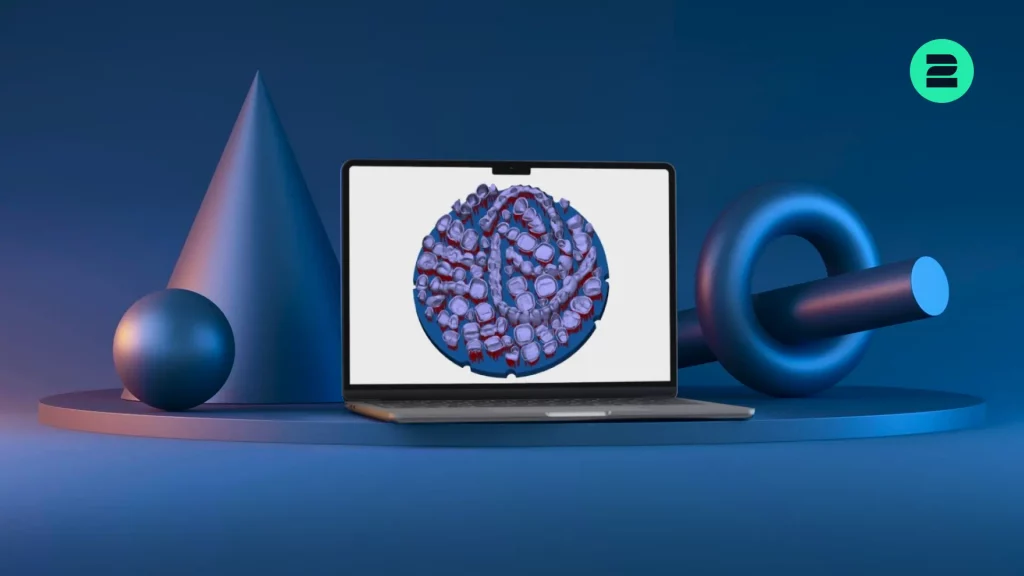
Metal powder is fused layer by layer using Powder Bed Fusion (PBF), creating highly precise dental components. Each alloy has typical applications based on its material properties:

Advantages of Dental Metal 3D Printing

  • Enables complex geometries for crowns, bridges, and implants
  • Allows patient-specific, custom-fit components
  • Minimizes material waste compared to milling or casting

Dental Applications in Practice – Co‑Cr vs. Titanium

  • Enables complex geometries for crowns, bridges, and implants
  • Allows patient-specific, custom-fit components
  • Minimizes material waste compared to milling or casting
Applications
Co‑Cr
Titanium
Crowns & Bridges

Mainly used due to strength and durability

Implant-supported crowns and bridges for biocompatibility and lightweight

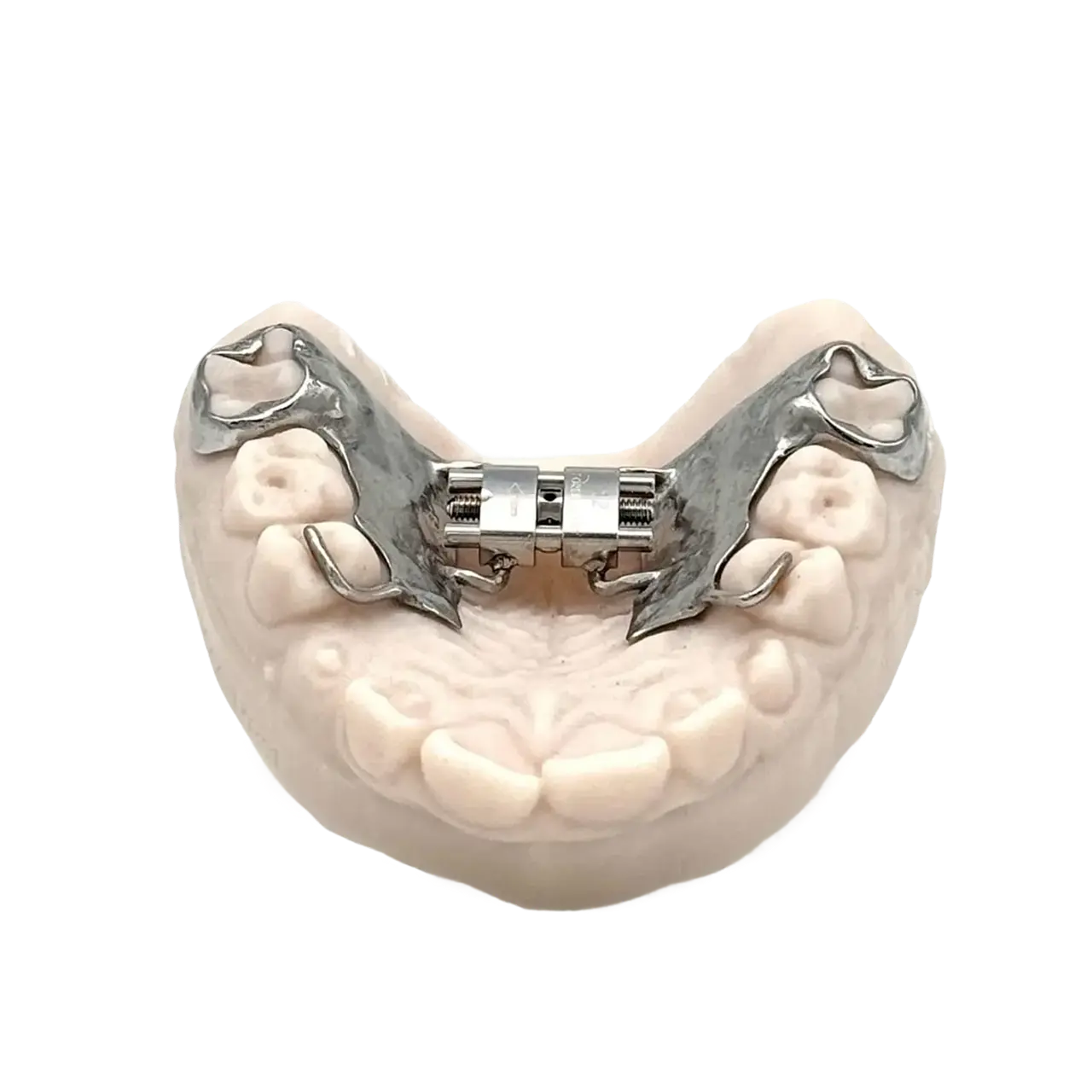
Partial Dentures & Frameworks (RPDs)

Primarily used because of robustness and long-term stability

For lightweight, allergy-friendly partial dentures and frameworks

Implants & Patient-Specific Components

Used in specific cases for structural or design requirements

Preferred due to biocompatibility and long-term performance

Conclusion- Cobalt-Chromium vs. Titanium

Cobalt-Chromium vs. Titanium demonstrates that each material brings unique strengths:

  • Co‑Cr: excellent for crowns, dentures, and partial frameworks where strength and durability are essential
  • Titanium: biocompatible, lightweight, and ideal for implants and patient-specific restorations


By combining both alloys, dental labs can produce high-quality, precise, and patient-focused solutions efficiently and reliably.

Metal 3D Printing Solutions for Dental Labs

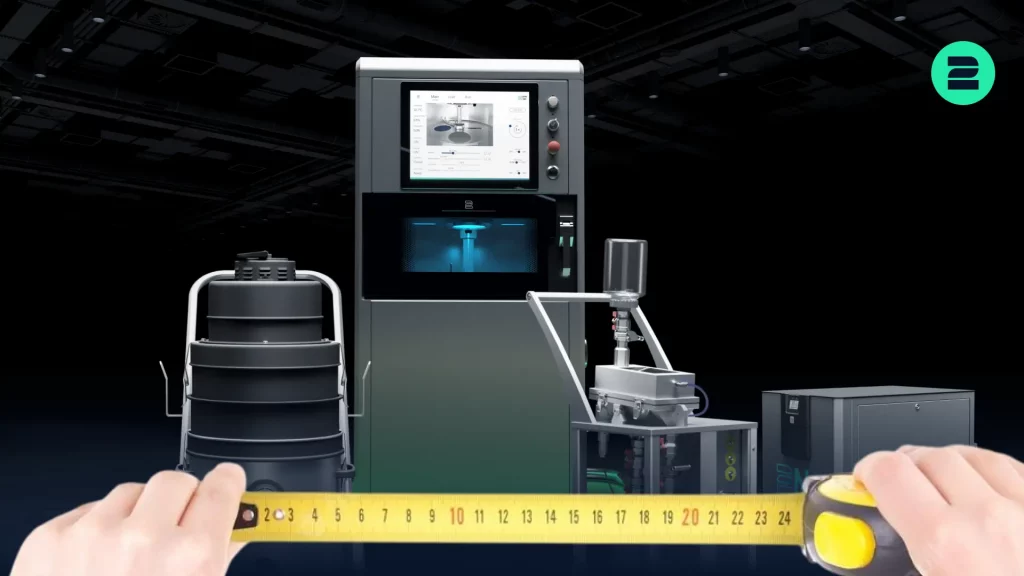
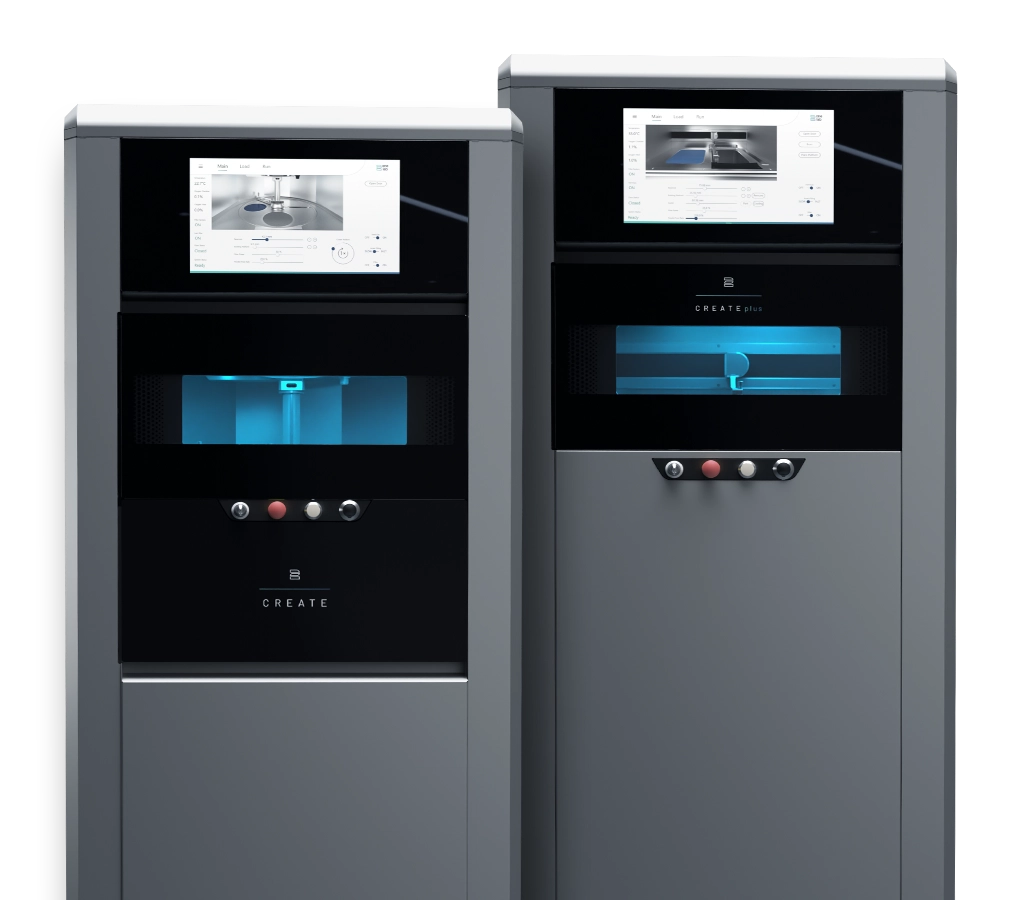
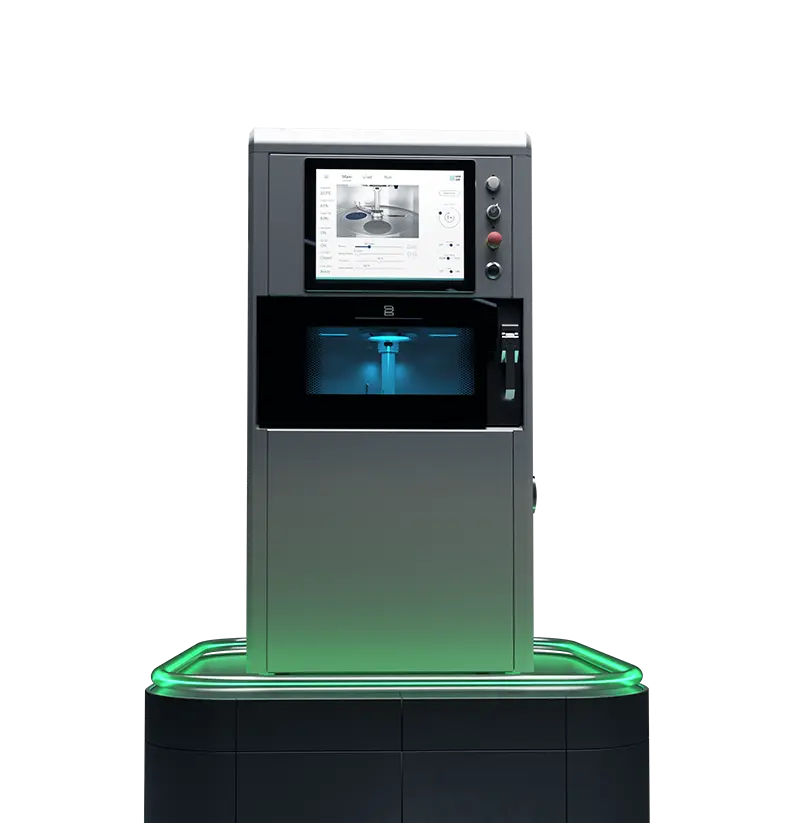
Our 2Create, 2Create Desktop and 2Create Plus
metal 3D printers enable precise production of both Co-Cr and Titanium components, including crowns, bridges, RPD frameworks, and implants.

FAQ - Cobalt Chromium vs. Titanium in Dental 3D Printing

Cobalt-Chromium (Co‑Cr) is strong, hard, and corrosion-resistant; commonly used for crowns, bridges, removable partial dentures (RPDs), and specific dental implants.

Titanium is biocompatible, lightweight, and flexible; ideal for dental implants, lightweight dentures, partial dentures, and patient-specific components.

  • High precision for complex dental components
  • Patient-specific, custom-fit parts directly from metal powder
  • Minimal material waste compared to milling or casting
  • Enables durable Co Cr dentures and reliable Titanium implants
  • Choose Cobalt-Chromium for load-bearing crowns, bridges, and RPD frameworks
  • Choose Titanium for dental implants, patient-specific components, and lightweight or allergy-friendly dentures

Yes. Modern dental 3D printers like 2Create, 2Create Desktop, and 2Create Plus can print both Cobalt Chromium and Titanium for various dental applications.

Further links:

Metal 3D Printing Post Processing

Learn about typical key steps of metal 3D printing post processing: heat treatment, support removal, and polishing for smooth, precise, and durable metal parts.

Bild von Markus Wolf
Markus Wolf
Passionate about 3D printing, while being CTO and Co-Founder of 2onelab.
Share This Blog Post
Bild von Markus Wolf
Markus Wolf
Passionate about 3D printing, while being CTO and Co-Founder of 2onelab.
Share This Blog Post

All Our News and Events

Containerized Metal 3D Printing for Military & Defense with 2onelab
Containerized 3D printing for military and defense with 2onelab enables mobile production of high-precision metal parts with improved speed and supply resilience.
2onelab Announces New Strategic Partnership with Tamspark
Discover our successful partnership with Tamspark: Expanding metal 3D printing solutions and technical support across Finland and Northern Europe.
Announcement of 2onelab participation at Fomnext 2024 in Frankfurt, Germany.
Meet 2onelab at Formnext 2024!
We’re excited to announce that we’ll be exhibiting at Formnext from November 19th to 22nd.
Announcement that 2onelab will be exhibiting 2024 at Denta in Bucharest in Romania
Meet 2onelab at Denta 2024
We’re thrilled to announce that we’ll be exhibiting at Denta in Bucharest, Romania, from October 10th to 12th.
Cobalt Chromium vs. Titanium in Dental 3D Printing cover
Cobalt Chromium vs. Titanium in Dental 3D Printing
Cobalt-Chromium vs. Titanium in dental 3D printing with PBF: everything you need to know about properties, material choice, & applications!
New partnership with TEAMZIEREIS
2onelab and TEAMZIEREIS Announce Strategic Partnership
Discover how 2onelab and TEAMZIEREIS advance metal 3D printing with reliable, cost-efficient systems and German-engineered quality.

Metal 3D Printing Made Simple

From advanced equipment to high-performance metal 3D printers and smart software — designed to maximize productivity and quality in additive manufacturing. 

You are here