

2onelab

Metal 3D printing is gaining importance worldwide, enabling the precise and efficient production of complex components in dental technology, medical devices, and industrial applications.

Below, we explain how metal 3D printer costs are made up of fixed and variable expenses — and why the machine price alone provides only a limited picture of the total investment.

Key Points in Brief:

  • Advantages of Metal 3D Printing: Efficient manufacturing, high precision, and flexible production of complex components.
  • Metal 3D Printer Costs ≠ Price: The purchase price alone is not enough – operational costs, materials, maintenance, infrastructure, and training must also be considered.
  • Investment Decisions: A thorough cost analysis ensures economically sound investments.

You are currently viewing a placeholder content from Default. To access the actual content, click the button below. Please note that doing so will share data with third-party providers.

More Information
Material Properties of Titanium

Dental 3D Printing Makes Turnaround Predictable

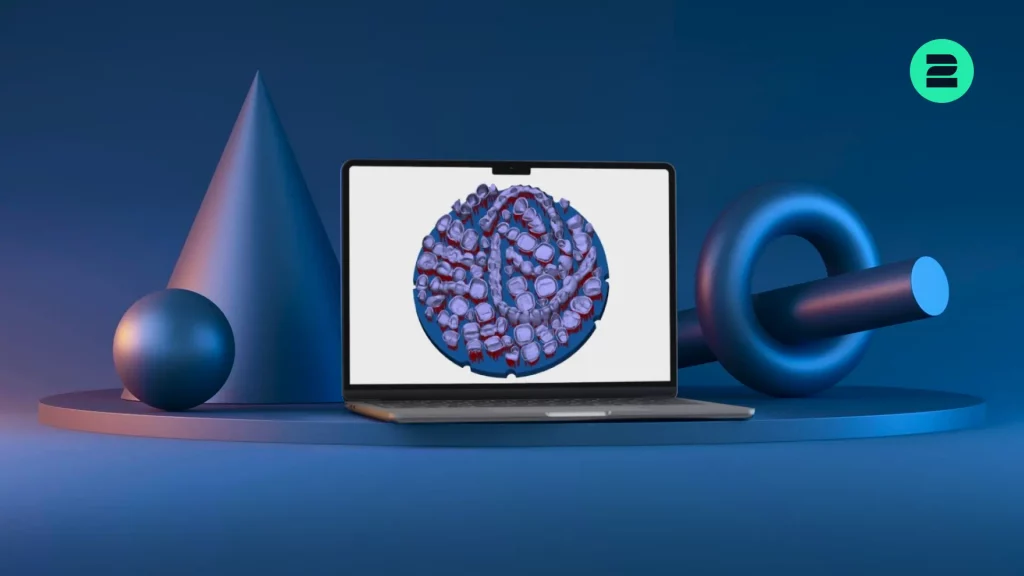
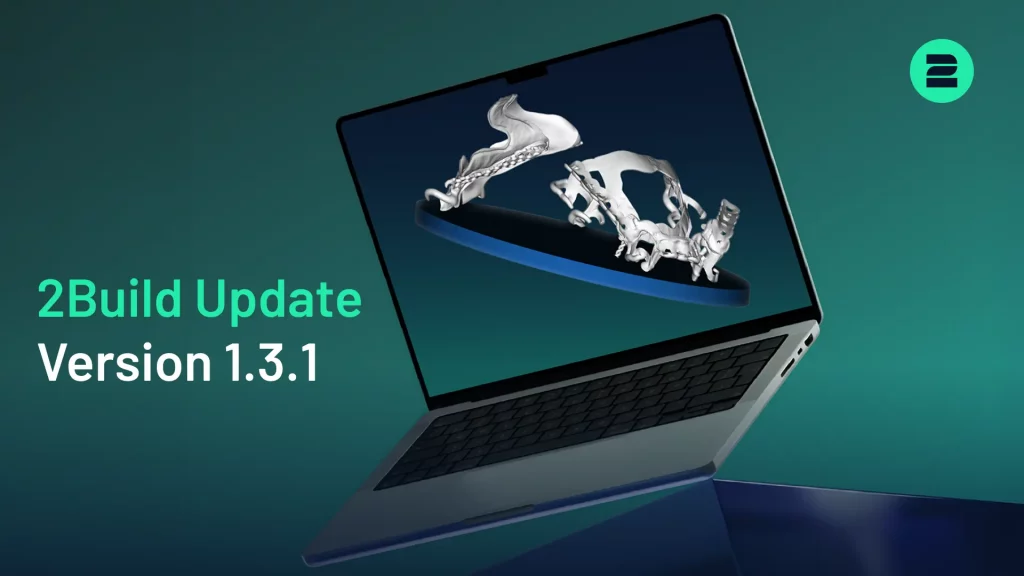
If you want to know where your supports will be placed, simply rotate your part. The red overhang areas indicate exactly where support is needed.

Applications of Titanium 3D Printing

Thanks to its versatile properties, titanium 3D printing is used across multiple industries:

  •  Medical Technology: Ideal for implants and prosthetics due to high biocompatibility and strength
Medical Technology
Medical Technology
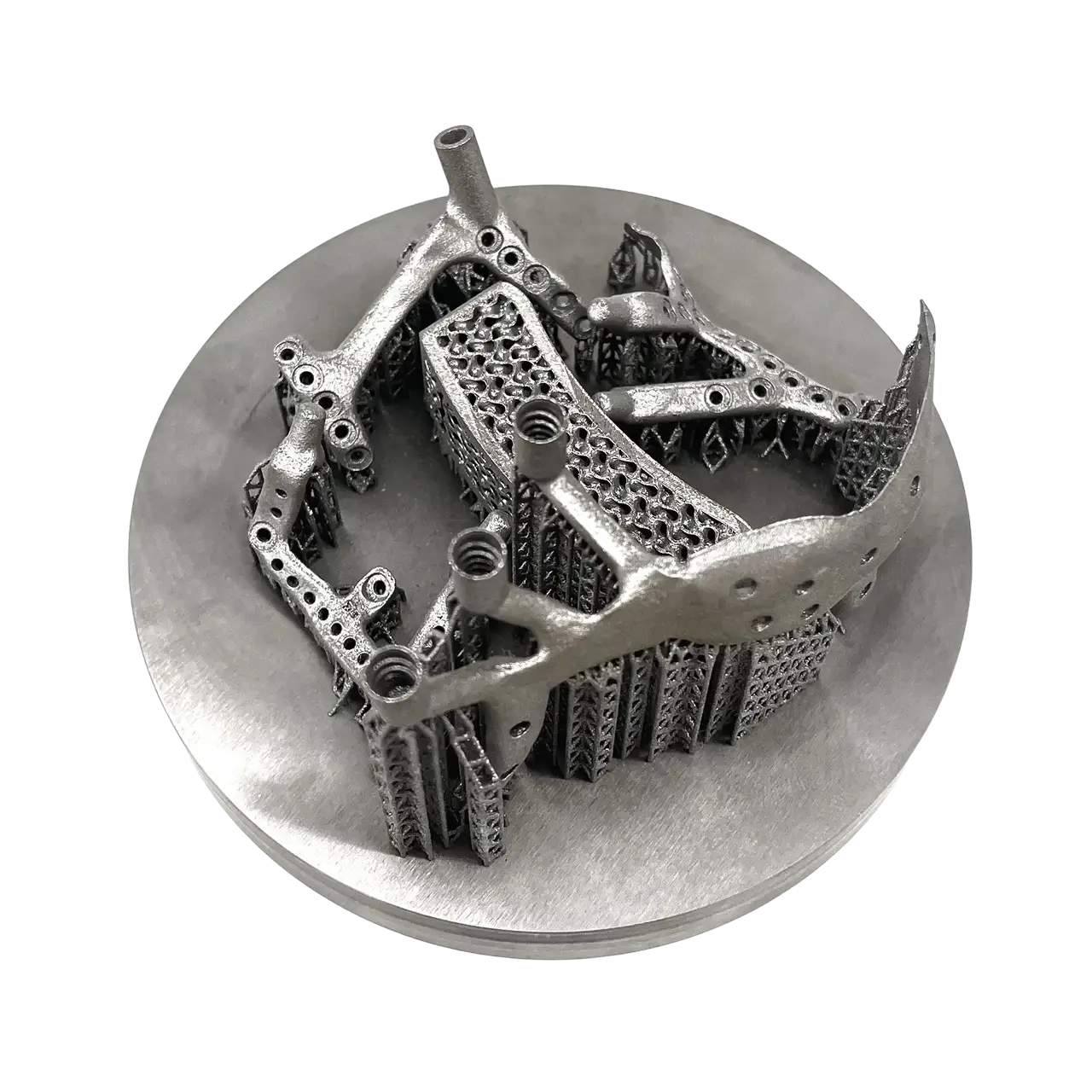
3D printed medical jaw implant (Titanium) by 2onelab
Medical Jaw Implant (Ti)
  •  Dental Sector: Well-suited for dental restorations and customized implantology solutions
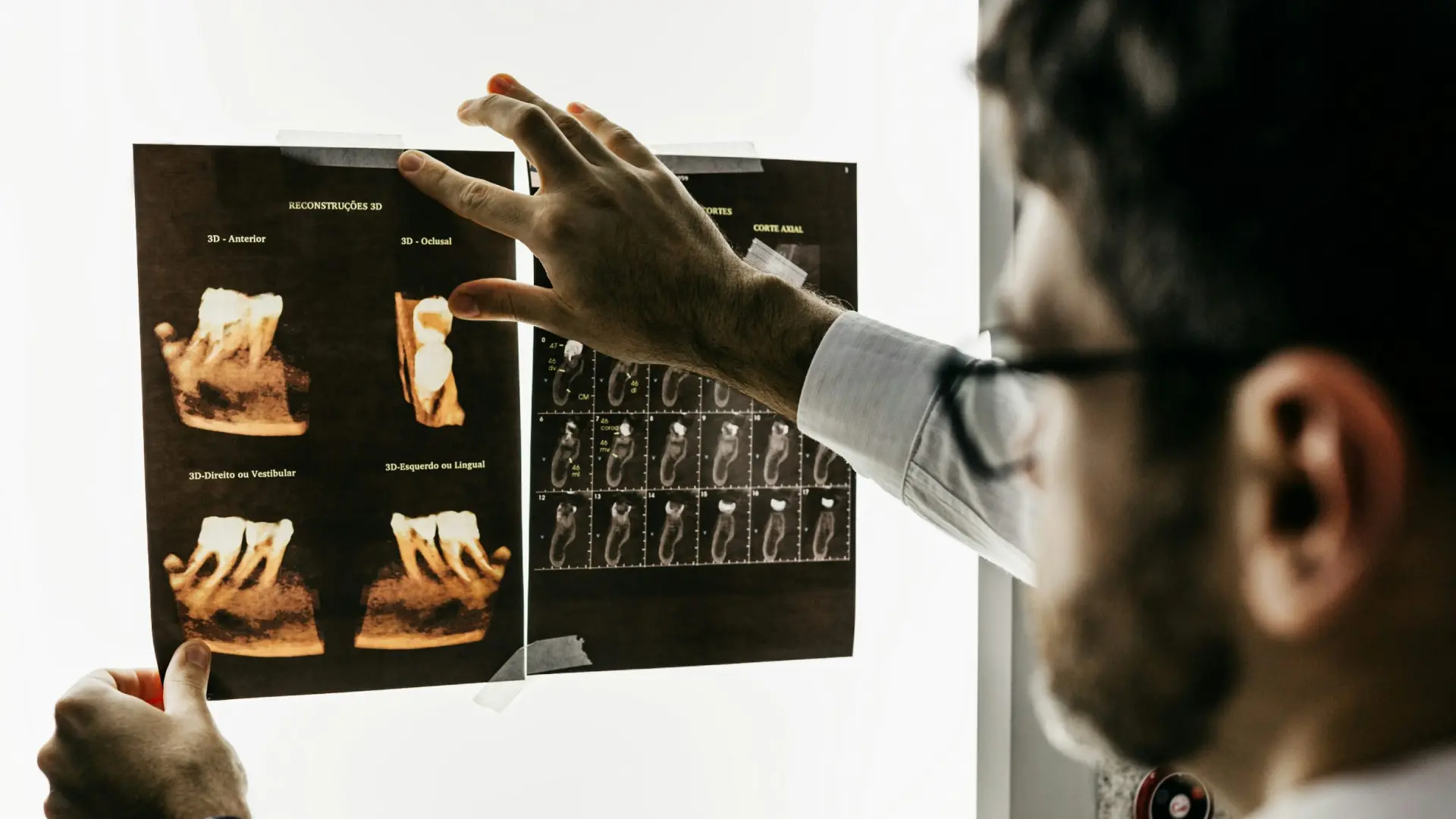
dental medical examination
Dental medical examination
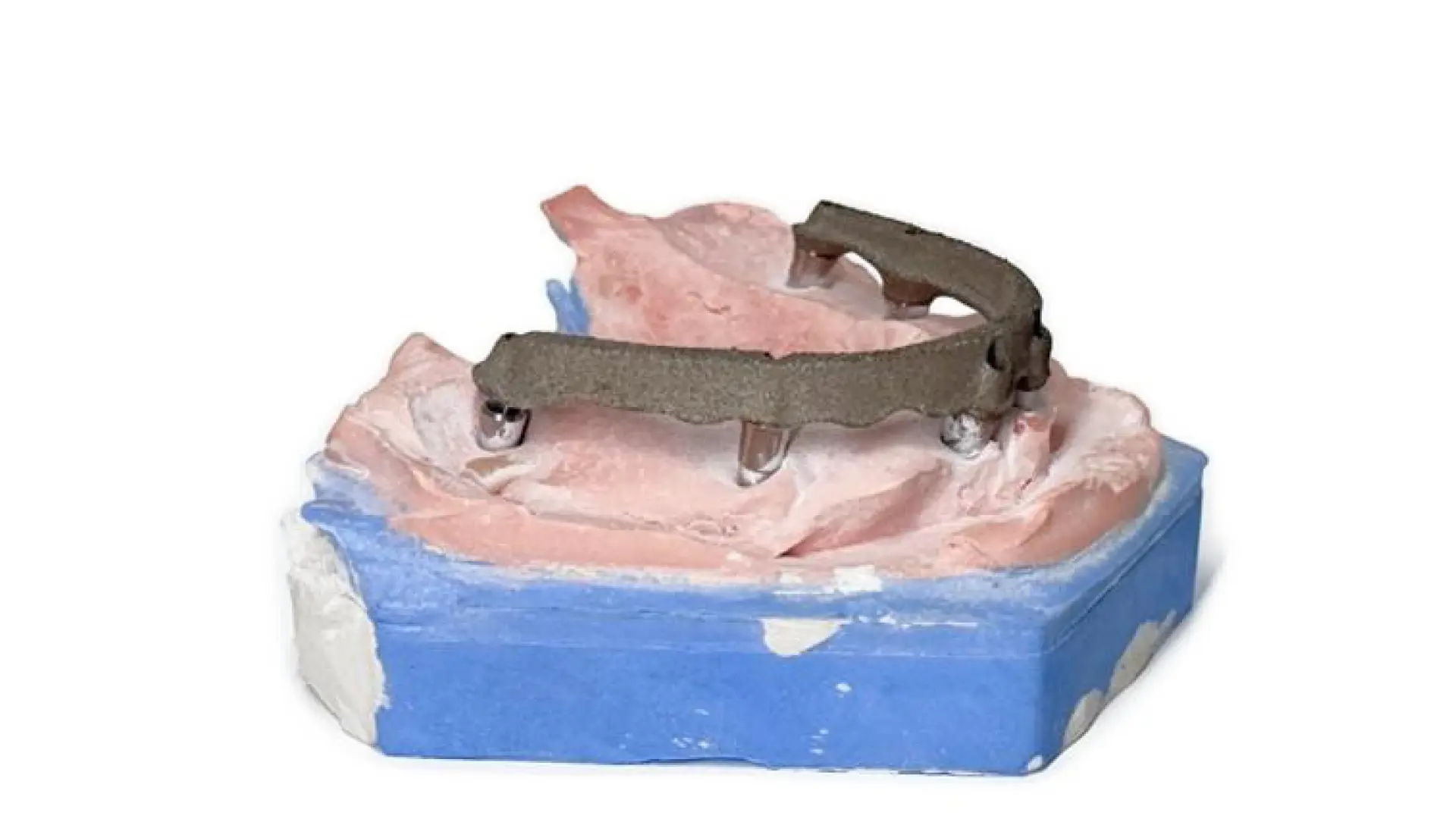
NPM Bars (Titanium)
  • Aerospace: Used for highly stressed and corrosion-resistant components
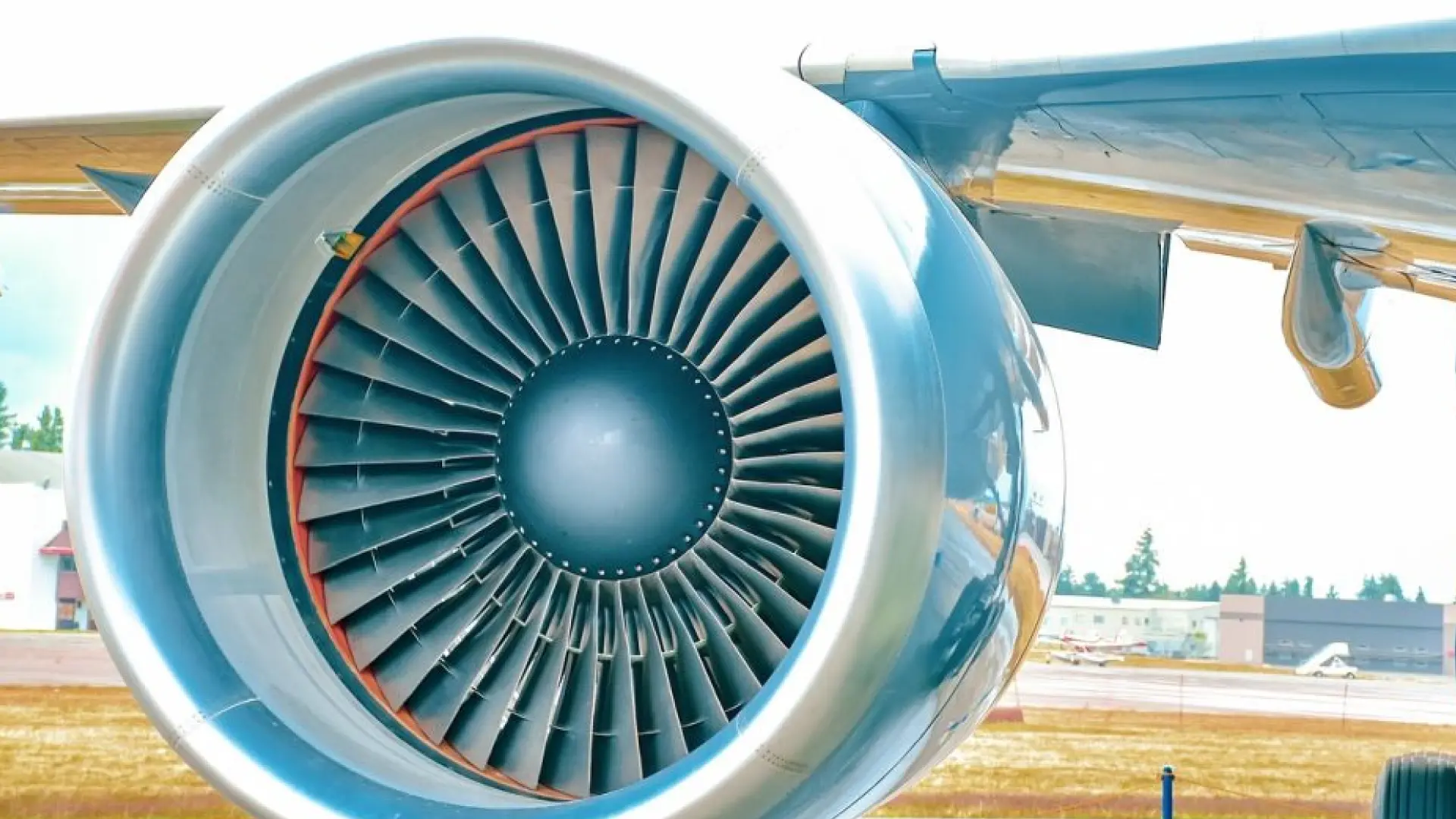
jet engine
Jet engine
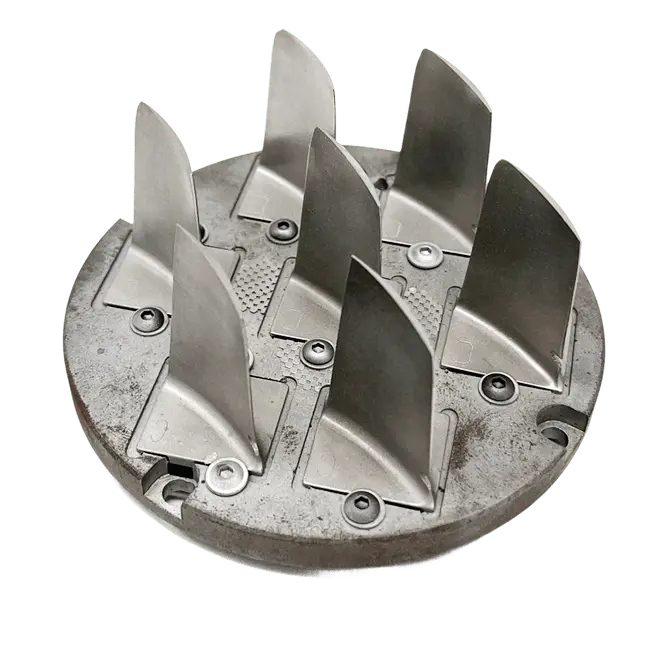
3D printed turbine plates (Titanium) by 2onelab
Turbine Plates (Titanium)
  •  Industry & Toolmaking: For complex geometries, e.g., components with integrated cooling
 Industry & Toolmaking
 Industry & Toolmaking
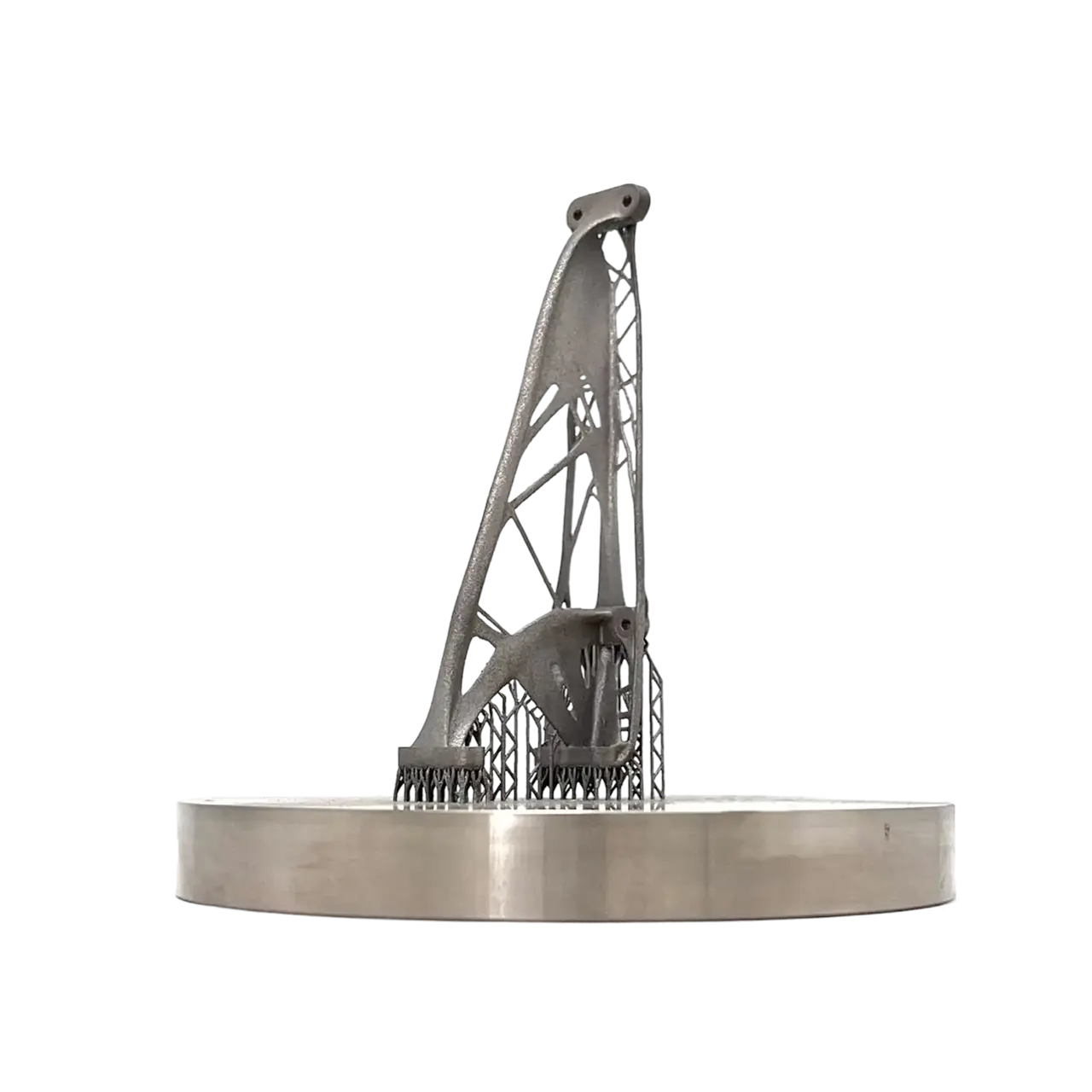
3D printed Bracket (Titanium) by 2onelab
Bracket (Titanium)
  • Automotive Engineering: Especially in motorsports – for exhaust systems and suspension parts

Titanium 3D Printers and Printing Processes

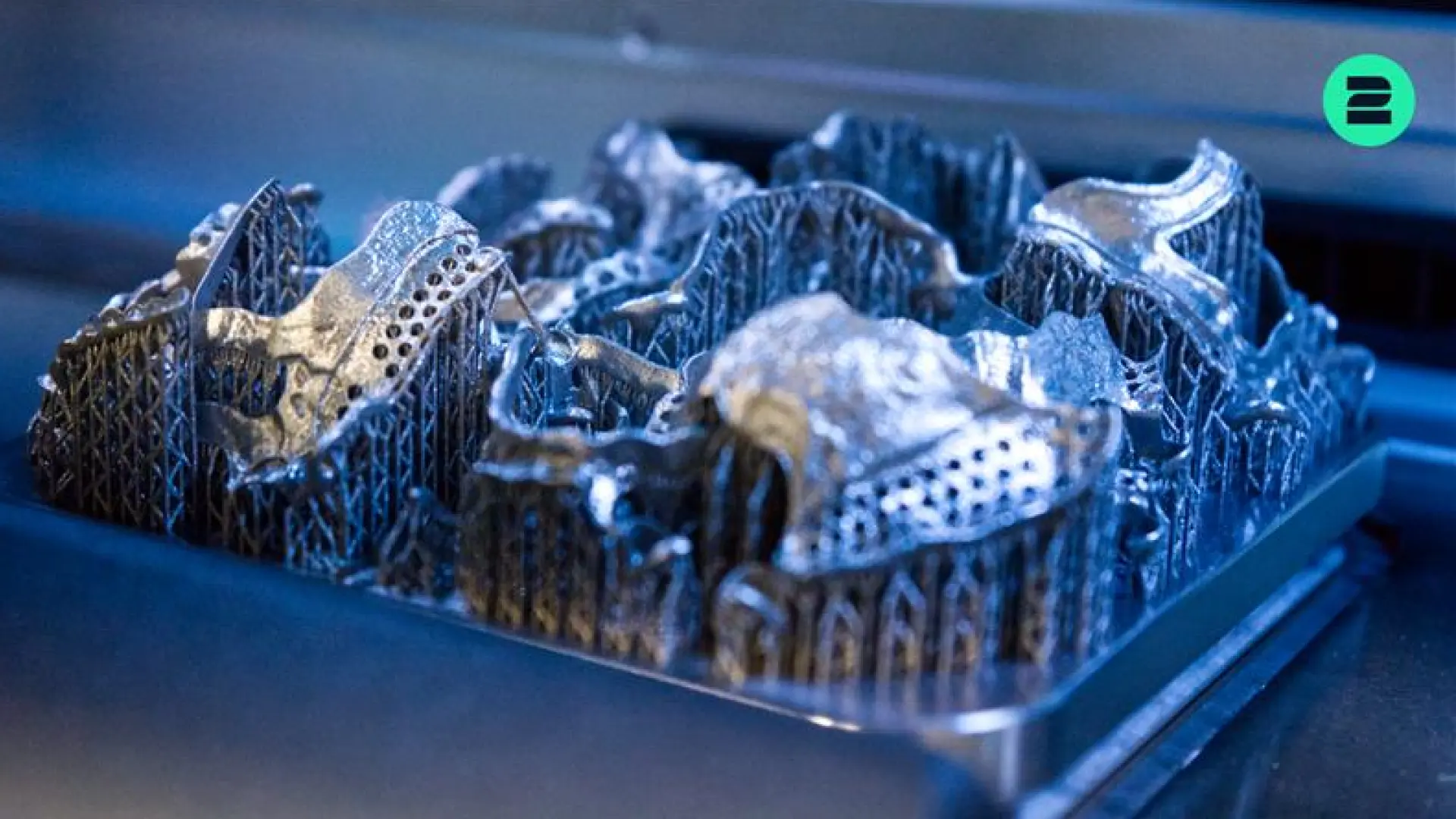
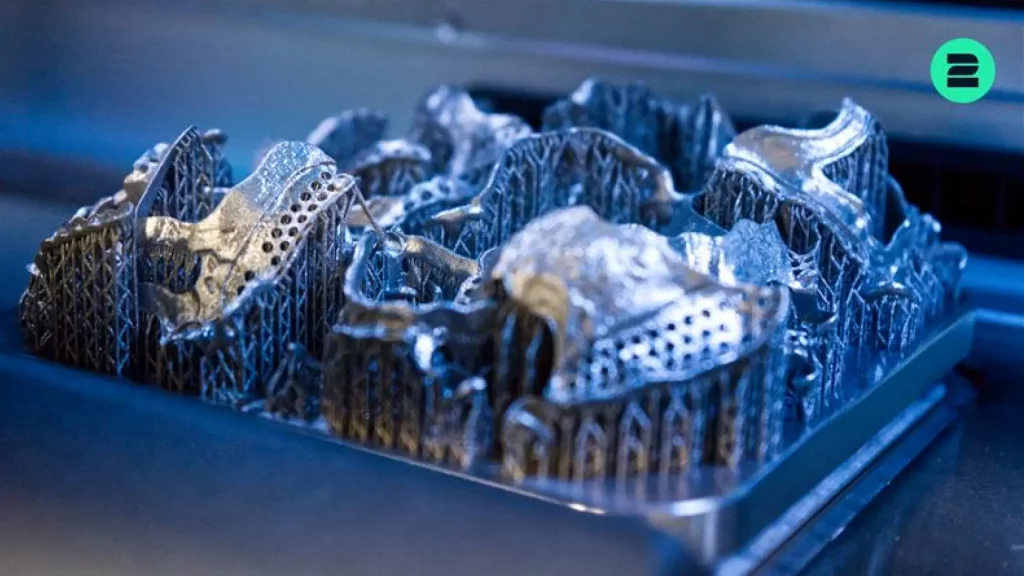
Titanium is mainly 3D printed using Powder Bed Fusion (PBF) with a laser (LPBF) or electron beam (EBPBF). In LPBF, an inert gas like argon protects the powder, while EBPBF operates in a vacuum. Thin layers of titanium powder are spread and melted layer by layer. Support structures prevent warping, and after printing, parts are cooled and undergo post-processing such as stress-relief annealing and surface finishing to ensure dimensional accuracy and optimal material properties. This process produces high-precision, complex titanium components for medical, dental, aerospace, motorsport, and industrial applications.

Titanium Powders for 3D Printing

Titanium 3D printing uses several specialized powders for different applications:

  • Ti6Al4V (Grade 5 or 23) – most common, ideal for medical implants, dental restorations, and industrial parts.
  • Beta 21S – for high-strength applications like aerospace and motorsport.
  • Grade 4 (pure titanium) – corrosion-resistant , suitable for chemical, marine, and biomedical parts.
  • TA15 – optimized for aerospace and specialized high-performance applications.

Switching from CoCr to Titanium

You are currently viewing a placeholder content from Default. To access the actual content, click the button below. Please note that doing so will share data with third-party providers.

More Information
Steps for Changing from CoCr to Titanium:

  • Remove powder: Fully clean the machine of CoCr residue
  • Replace filters: Change exhaust, pre-, and main filters
  • Change process gas: Use argon instead of nitrogen
  • Change build platform: Only print titanium on a titanium platform
  • Load titanium powder: Fill according to system specifications
  • Set parameters: Apply titanium-specific settings via 2Connect

Conclusion – Titanium 3D Printing

Titanium 3D printing requires a clean, controlled, and precise approach—from powder handling and gas selection to the right build platform.

With proper equipment, optimized parameters, and protective gear, the full potential of titanium can be realized, particularly in medical and dental applications, where biocompatibility, precision, and reliability are essential.

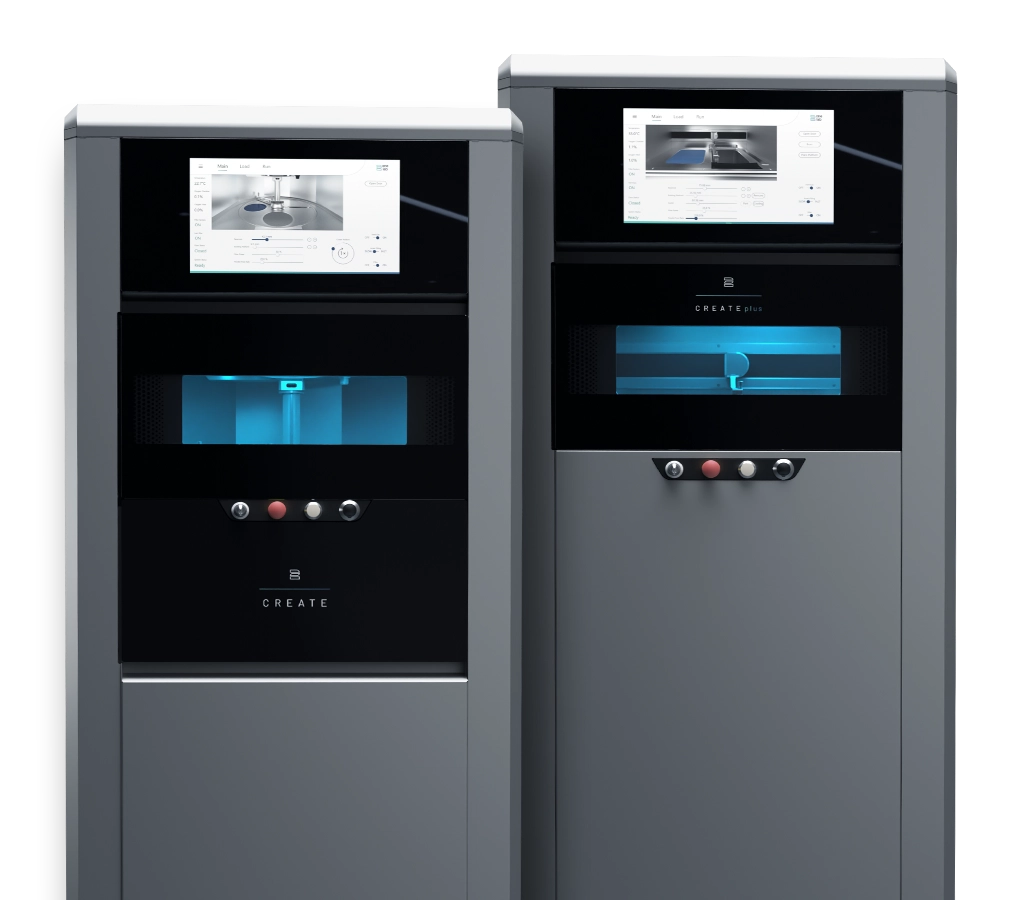
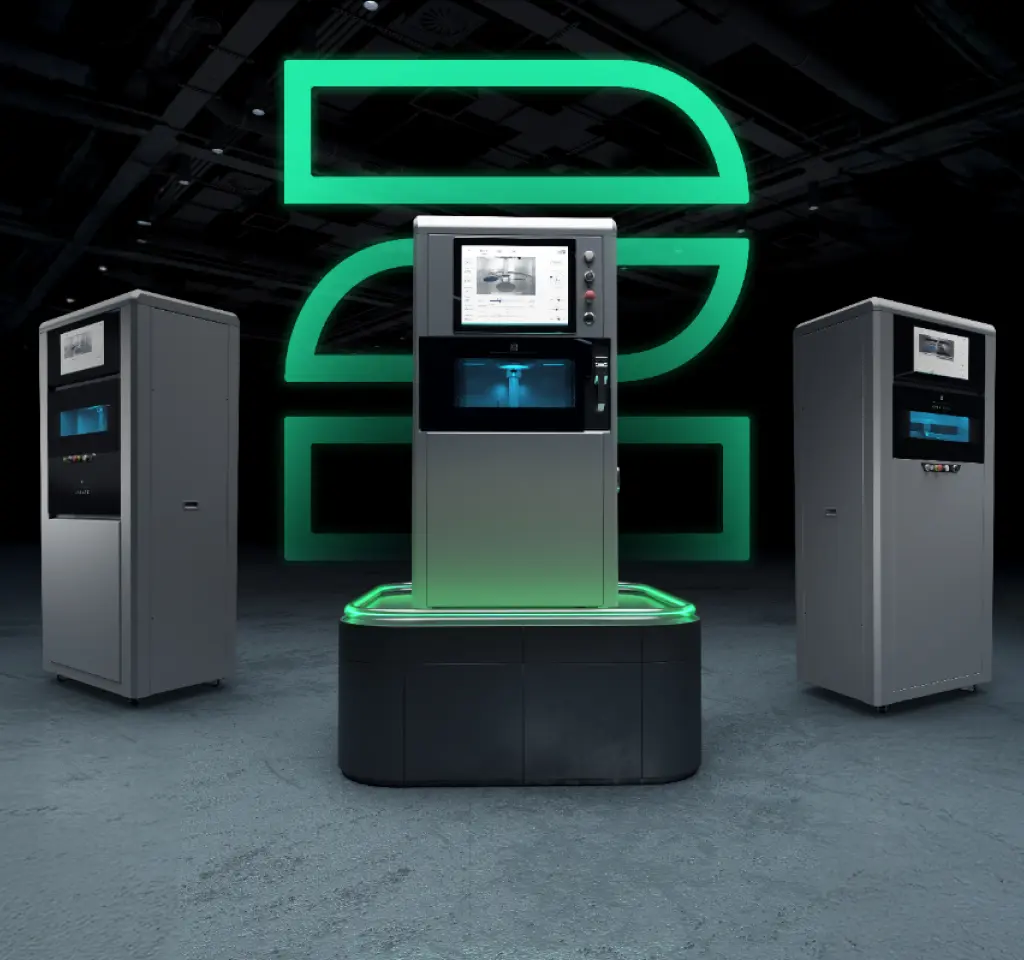
2Create and 2Create Plus metal 3D printers from the front by 2onelab

The Full Potential of Titanium 3D Printers

Choose 2onelab – with the 2Create and 2Create Plus titanium 3D printers for dental, medical, industrial, and R&D use.

Boost quality, cut costs, and work faster – powered by cutting-edge tech and real-world expertise.

FAQ - Titanium 3D Printing

Yes. Titanium is 3D printed using Powder Bed Fusion (PBF). In LPBF, argon protects the powder; EBPBF uses a vacuum. Powder is fused layer by layer with a laser or electron beam. Support structures prevent warping, and post-processing ensures dimensional accuracy.

Titanium offers high corrosion resistance, excellent strength-to-weight ratio, good biocompatibility, and low thermal expansion.

3D printed titanium, like Ti6Al4V, has a high strength-to-weight ratio and excellent durability. With proper PBF and post-processing,it is suitable for medical, aerospace, and high-performance industrial applications.

The main powders are:

  • Ti6Al4V (Grade 5 or 23) – common for medical, dental, and industrial use.
  • Beta 21S – high-strength applications like aerospace and motorsport.
  • Grade 4 (pure titanium) – corrosion-resistant, for chemical, marine, and biomedical parts.
  • TA15 – optimized for aerospace and specialized high-performance applications.

Titanium 3D printing is mainly used in:

  • medicine (e.g., implants and prosthetics)
  • dental technology (customized restorations)
  • aerospace (lightweight, corrosion-resistant components)
  • motorsport (exhaust systems, suspension components)
  • toolmaking (mold inserts with cooling channels)

Switching materials requires complete removal of powder residues to avoid contamination. Thorough cleaning and safety measures ensure material quality and process reliability.

Metal for 3D Printing – 2Create & 2Create Plus

Metal for 3D printing used in powder bed fusion: Learn about steel, titanium, cobalt-chrome, Inconel and aluminium.