Manufacturing Orthodontic Components From Stainless Steel or CoCr With the 2Create 3D Printers
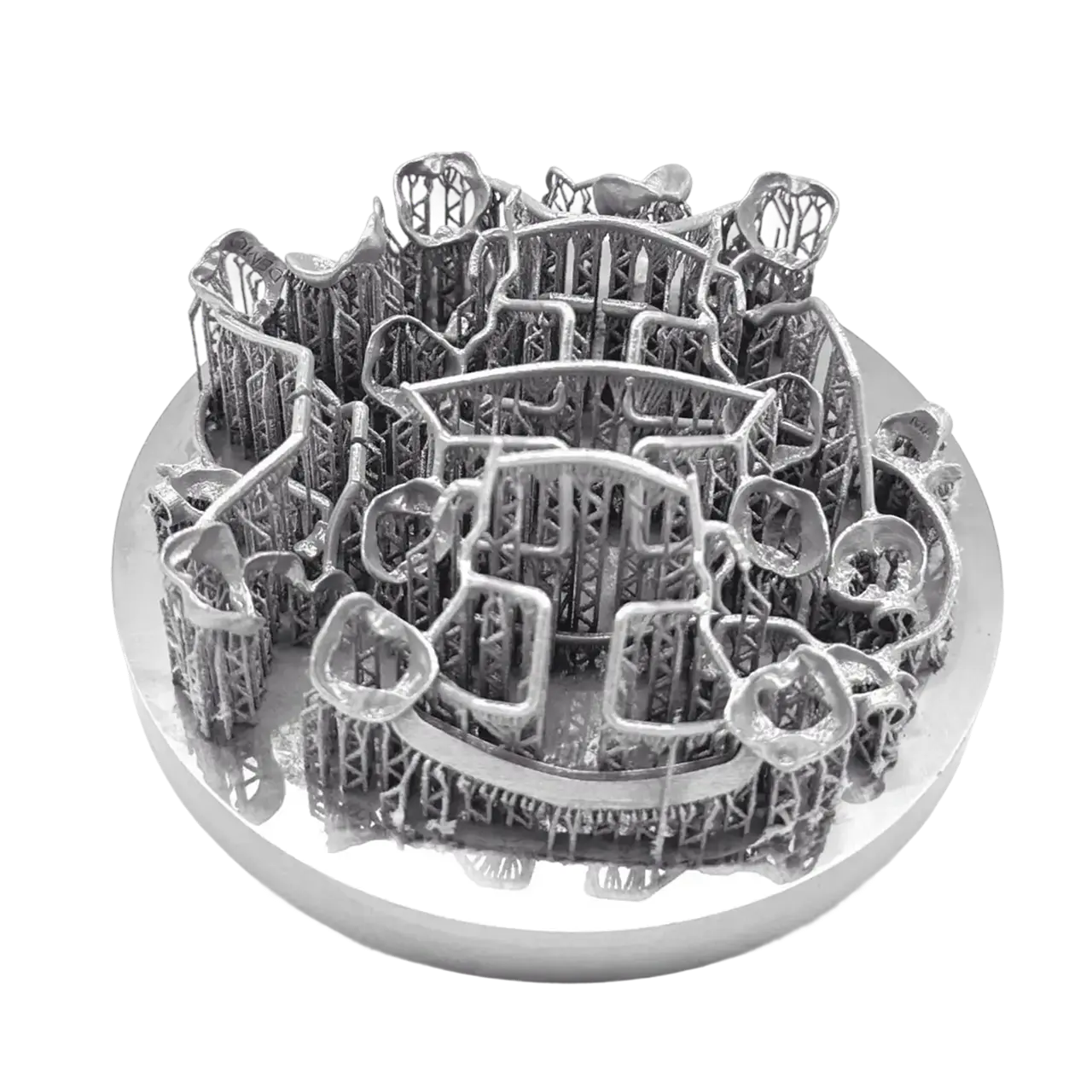
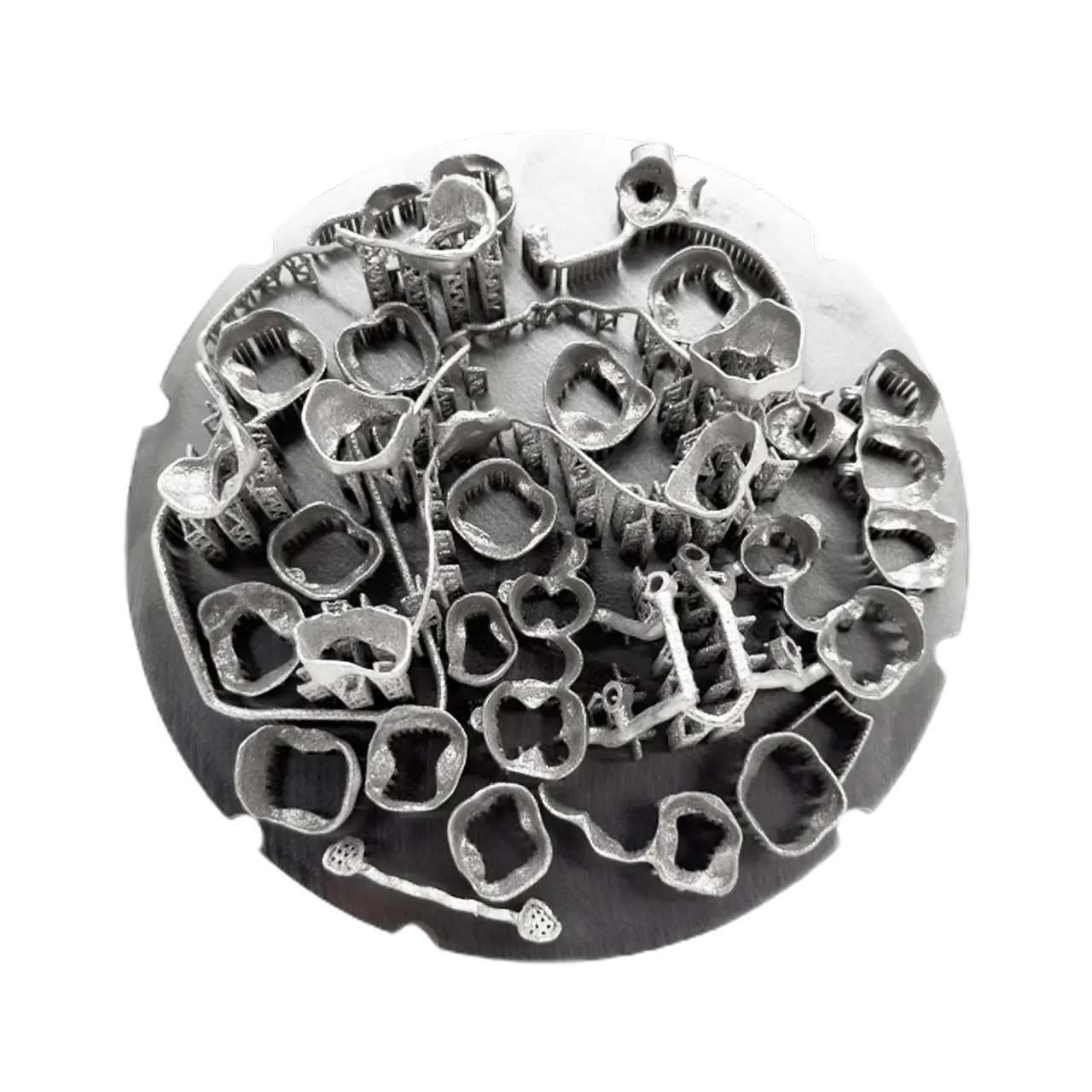
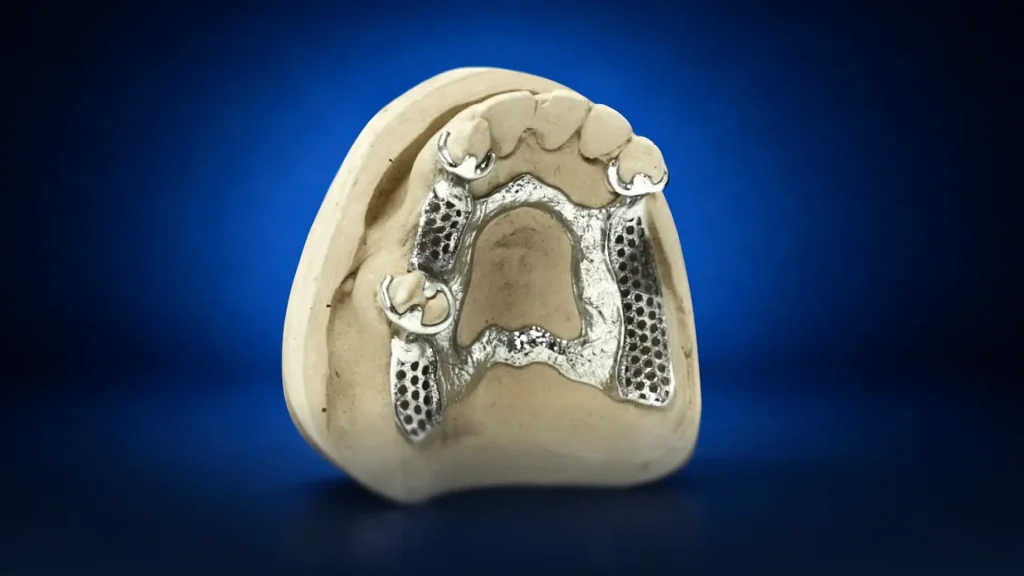
In modern orthodontics, custom-fit components play a crucial role in successful treatment. With our 2Create metal 3D printers, highly precise orthodontic components made from stainless steel or CoCr can be produced quickly and cost-effectively.
CoCr or Stainless Steel?
The Right Choice for Orthodontic Components
Stainless steel and CoCr are the preferred materials in orthodontics due to their excellent mechanical properties and biocompatibility.
Advantages of Stainless Steel
No mandatory thermal post-processing required
Minimal distortion, easy correction if necessary
Easy to polish for a smooth surface
More affordable than CoCr
Can be optimally welded to stainless steel expanders
Advantages of CoCr
Higher material stiffness for thin-walled structures
Increased hardness and strength for particularly durable components
Excellent corrosion resistance for long-term use
Applications:
Orthodontic Components in Detail
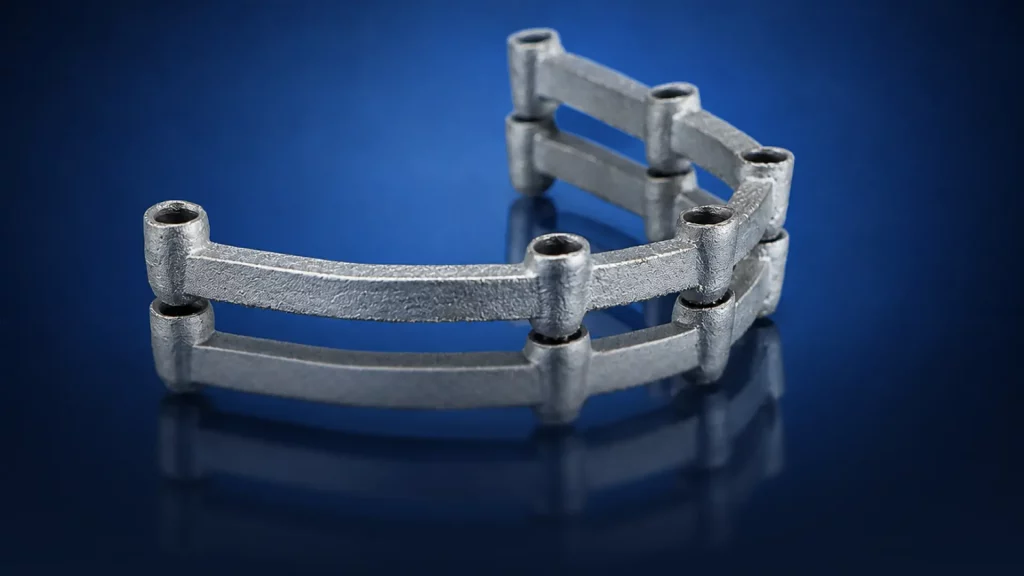
With the 2Create 3D printers, a wide range of orthodontic components can be manufactured in CoCr or stainless steel, including:
1. Bands and Arches
Molar Band: A fixed metal band used to stabilize orthodontic appliances.
Four-Bar Appliance: Used for precise tooth movement and rotation.
Multiband Appliance: Uses multiple bands to secure orthodontic components.
2. Retention
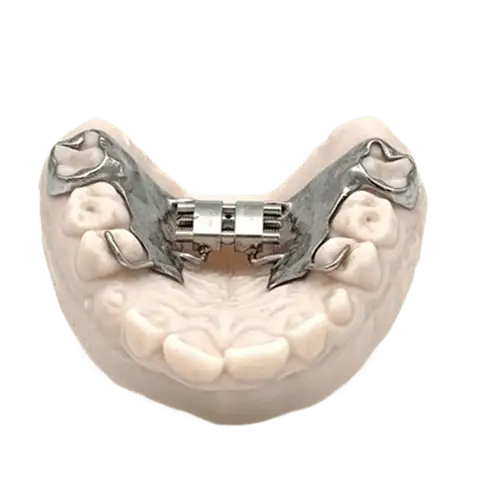
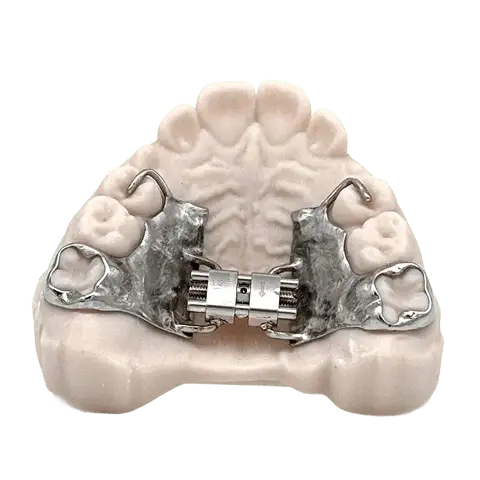
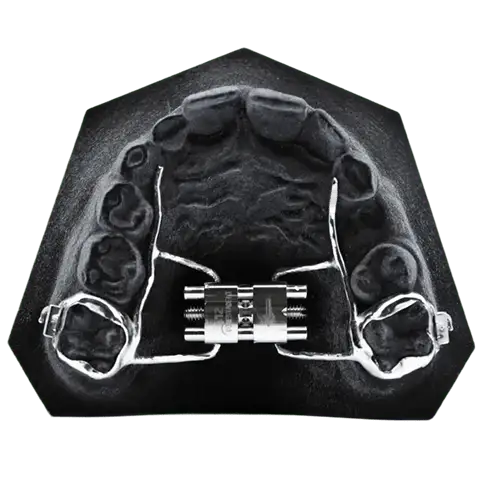
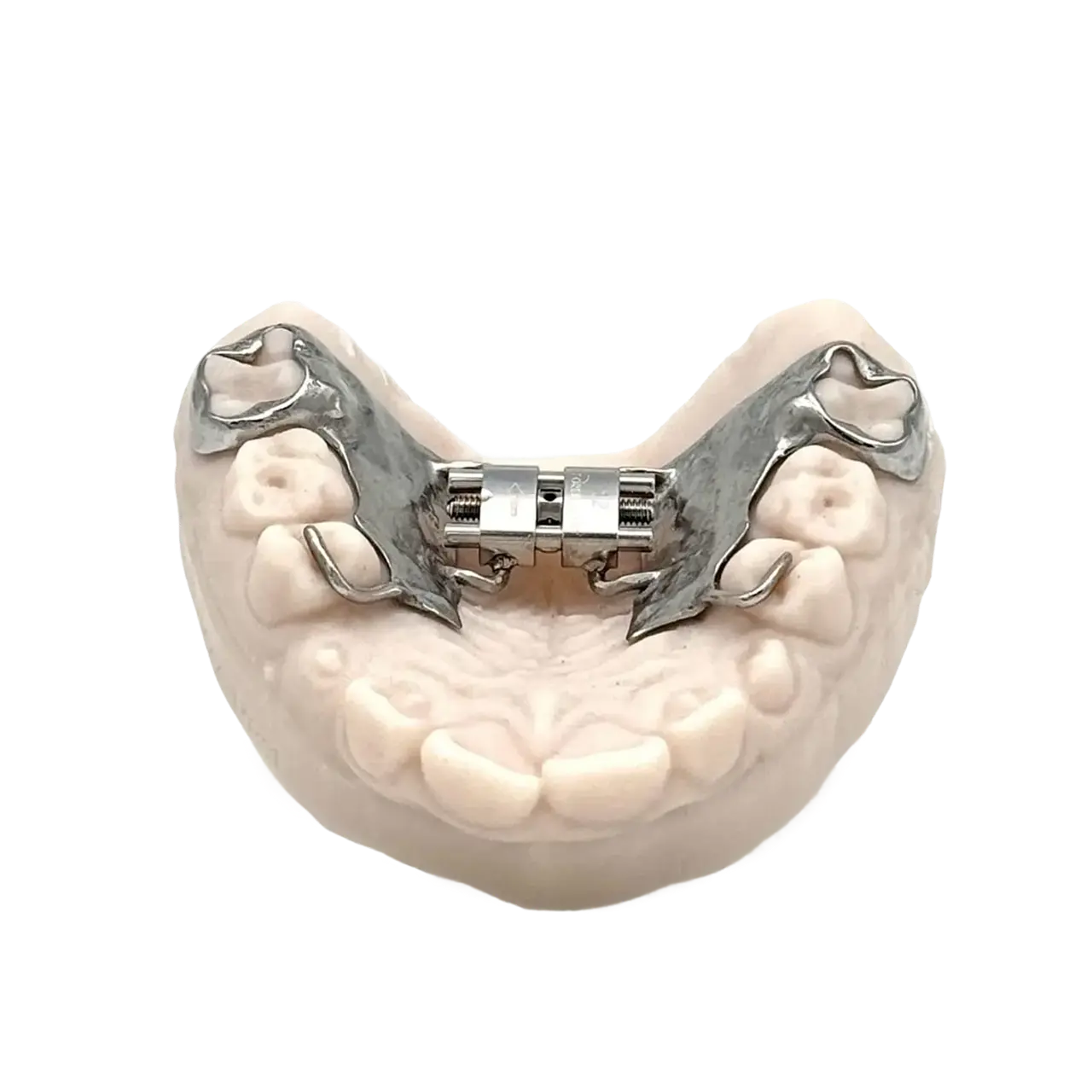
Haas Appliance: A palatal expander for widening the maxilla.
Nance Appliance: A fixed retainer that supports stabilization.
TPA (Transpalatal Arch): A wire running across the palate to stabilize molars.
3. Bondable Extensions and Support Elements
Bondable Extensions: Direct bonding elements for fixed appliances.
Occlusal Rests: Supportive elements for bite elevation or tooth guidance.
Print Time and Efficiency
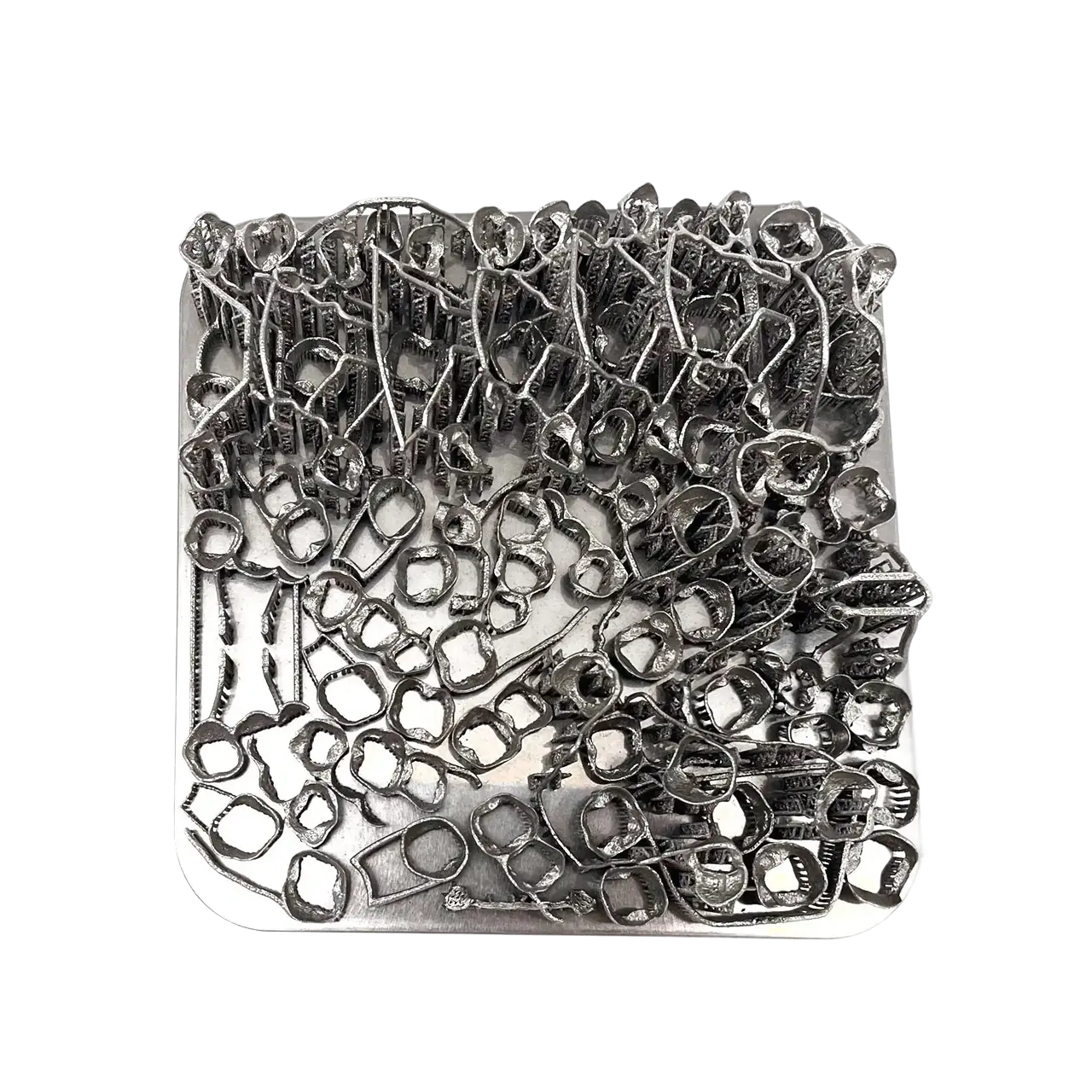
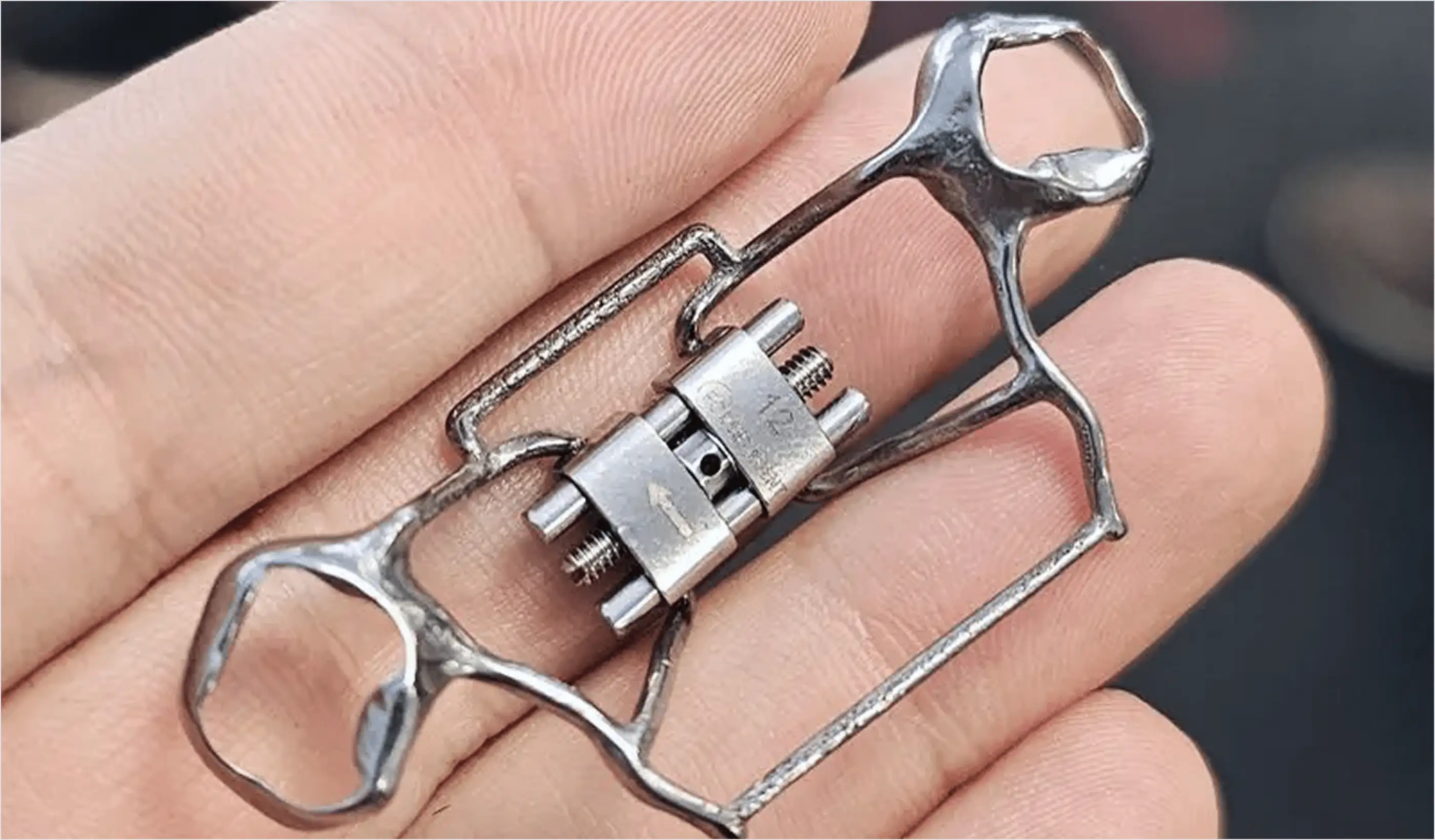
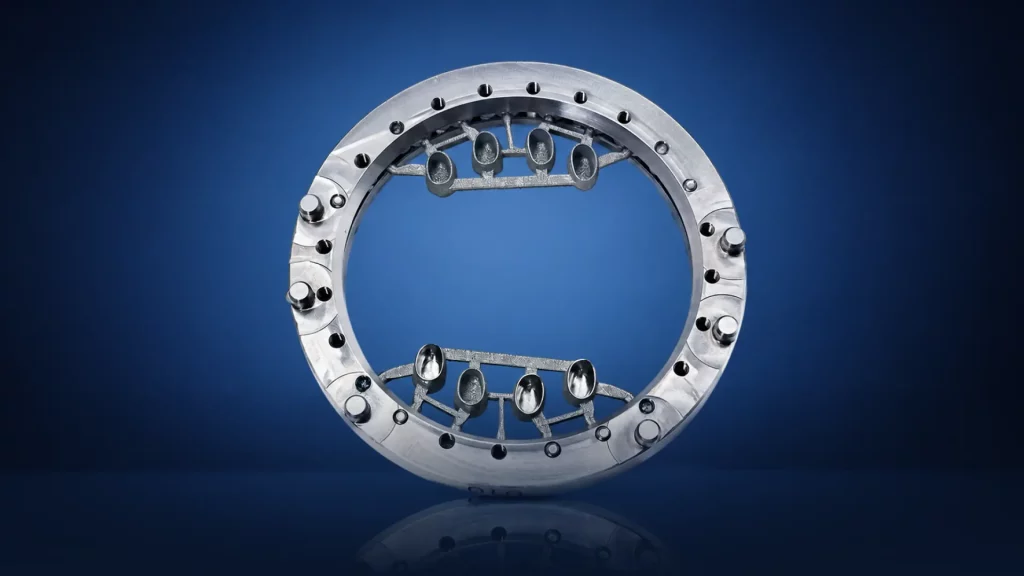
4 large RPEs in just 2.5 hours with our 2Create Metal Printer
Learn how Ewert Zahntechnik achieves a precise workflow for high-quality telescopic restorations using the digital hybrid solution from 2onelab and CIMSystem.
A Rapid Palatal Expander (RPE) is an orthodontic device used to widen the upper jaw by applying gradual outward pressure on the palatal bones. This expansion is particularly effective in young patients, where the midpalatal suture has not yet fully fused. RPEs are crucial for treating crossbites, crowding, and improving overall dental arch alignment.
3D Printing in Orthodontics
The 2Create Workflow for RPE and Other Orthodontic Components
The process of manufacturing orthodontic components with 2Create or 2Create Plus is straightforward and efficient:
1. Data Preparation
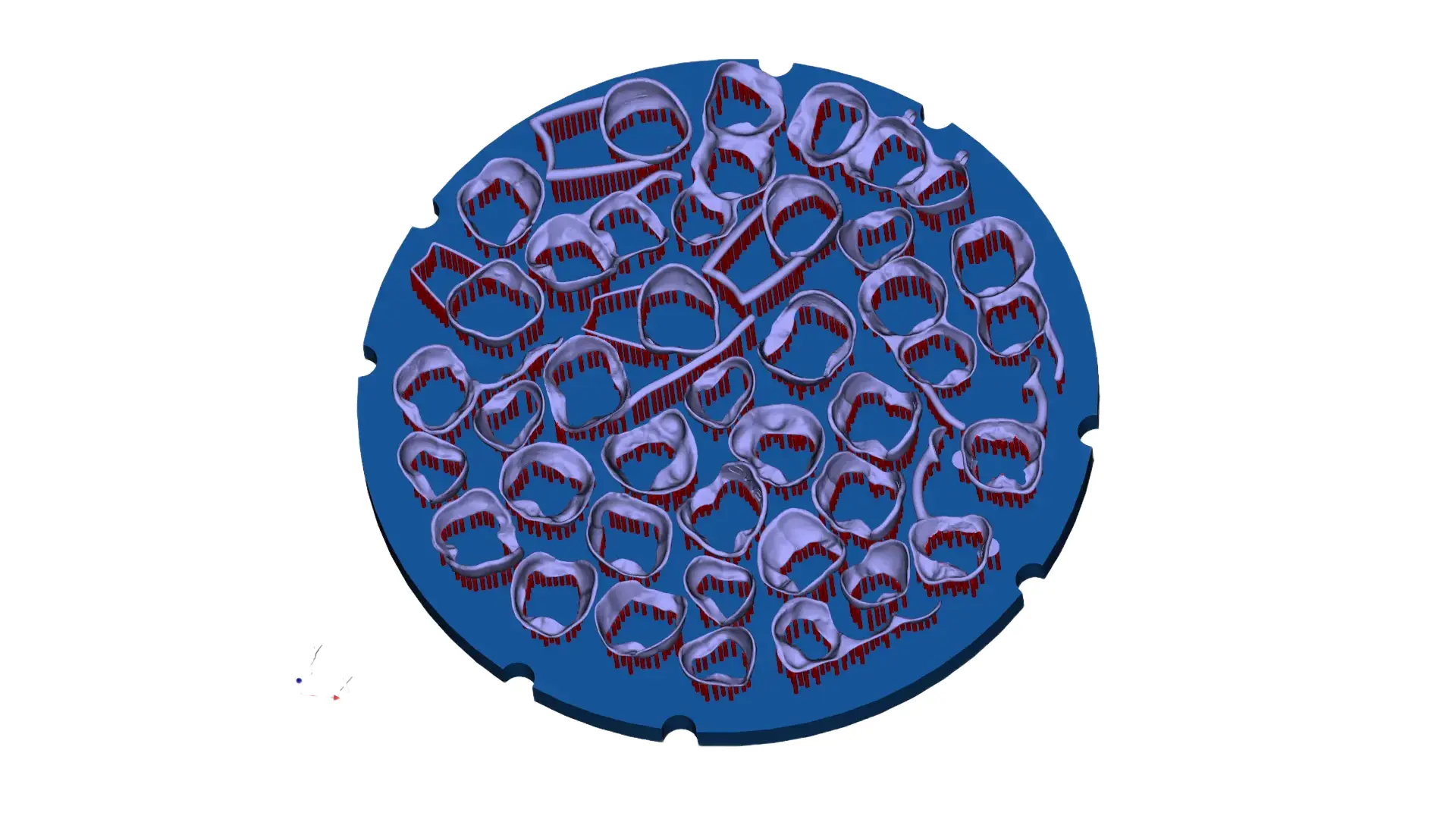
Import STL data into the 2onelab CAM software and optimally position the components on the build platform.
Define the print parameters for stainless steel or CoCr, including scan strategy and layer thickness. The choice of powder is flexible, and the correct parameters can be easily accessed from 2Connect.
You are currently viewing a placeholder content from YouTube. To access the actual content, click the button below. Please note that doing so will share data with third-party providers.