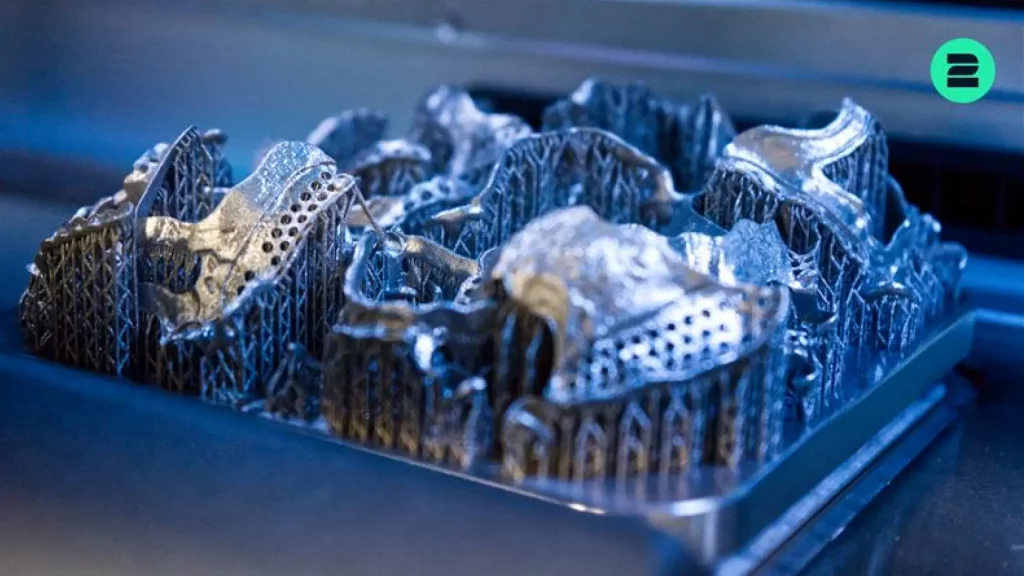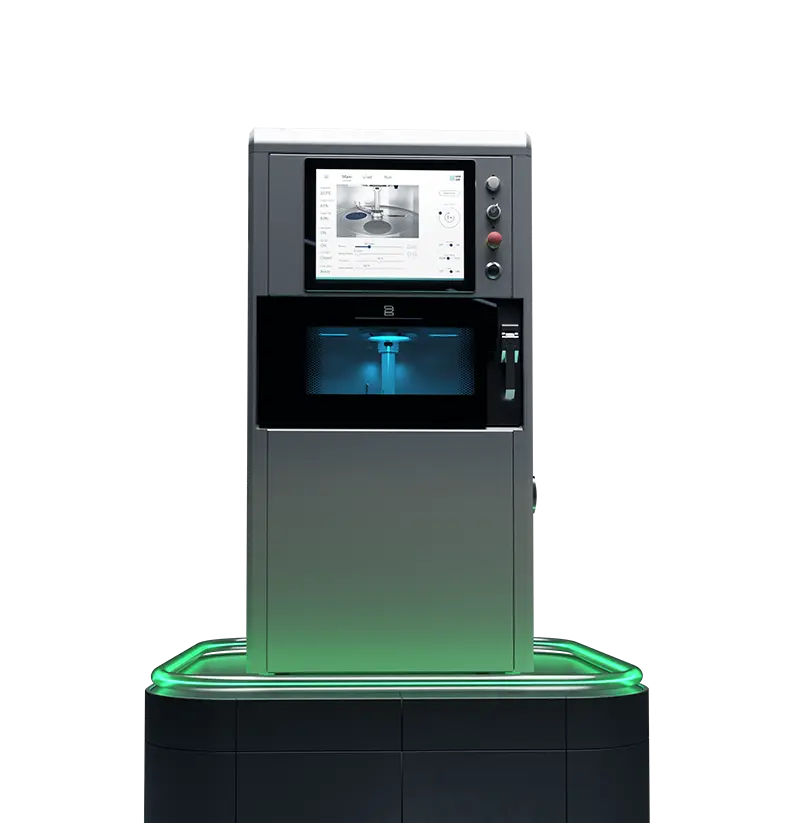
In this article, we compare 3D printing (Additive Manufacturing) with traditional manufacturing methods to show how it reduces energy use, material waste, and transportation emissions.
You’ll also learn how 2onelab combines metal 3D printing and sustainability via SLM, helping companies produce high-quality parts in an environmentally conscious way.
Key Points in Brief:
- Lower Energy Use: AM consumes less energy than traditional manufacturing.
- Less Material Waste: Only the material required is used, and systems like 2Sieve recover leftover powder.
- Reduced Transportation: Localized 3D printing reduces shipping distances and emissions.
- Eco-Friendly Materials: Bioplastics, recycled filaments, and recyclable metals enable sustainable 3D printing.
You are currently viewing a placeholder content from YouTube. To access the actual content, click the button below. Please note that doing so will share data with third-party providers.
More InformationHow 3D Printing Promotes Sustainability
3D printing and sustainability go hand in hand. Additive manufacturing technologies offer sustainable advantages by producing lightweight components, reducing waste, optimizing supply chains, and shortening time to market.
Lower Energy Use
One of the main ecological benefits of 3D printing and sustainability is its significantly lower energy consumption compared to traditional manufacturing. Conventional production methods often rely on heavy machinery and high energy input, resulting in increased CO₂ emissions.
- This reduction in energy use is particularly vital as concerns about climate change continue to grow and reducing our carbon footprint becomes increasingly important.
Reduced Transportation
A key advantage of sustainable 3D printing is the ability to cut down on long-distance transportation. In traditional manufacturing, complex parts are often produced in centralized factories and shipped worldwide, increasing both costs and CO₂ emissions.
At 2onelab, we focus on local production and assemble our machines on-site in Germany. By leveraging sustainable 3D printing, parts can be manufactured closer to their point of use, reducing shipping-related emissions and accelerating production times.
Less Material Waste
Additive manufacturing drastically reduces waste by using only the material required for the object. Traditional subtractive processes (e.g., milling or cutting) often generate significant leftover material.
Advanced systems like 2Sieve further enhance sustainability by:
- filtering and recycling unused metal powders,
- enabling high-quality parts while minimizing resource consumption.
- Reusable building platforms also support eco-friendly production.


Sustainable Materials for 3D printing
Nowadays, there is a growing range of sustainable materials for 3D printing, all of which are eco-friendly and recyclable. Options include:
1. Bio-based Materials - PLA, PA11, TPC 45D: renewable, plant-based, biodegradable.
Bio-based materials, such as PLA (Polylactic Acid), PA11 (Polyamide 11), and TPC 45D (Thermoplastic Copolyester), are obtained from renewable resources such as cornstarch, castor oil, and other plant-based sources. PLA, in particular, is a highly popular material in 3D printing due to its biodegradability and ease of use, making it a preferred choice among environmentally conscious manufacturers.
2. Recycled and Renewable Materials – R-PET, R-PLA: repurpose plastic waste, reduce environmental impact.
Recycled materials like R-PET (Recycled Polyethylene Terephthalate) and R-PLA (Recycled PLA) contribute significantly to waste reduction by repurposing plastic waste. These materials are often made from discarded plastic bottles or used PLA prints.
3. Metal-based Filaments – Copper, Bronze, Brass, Stainless Steel: durable, recyclable, ideal for metal 3D printing via SLM.
Metal-based filaments, such as Copper, Bronze, Brass and Stainless Steel allow for durable and recyclable parts. These materials can be reused and recycled without losing their inherent properties, making them a more sustainable choice for producing metal components.
4. Natural Composites - BambooFill, WoodFill, Paper Pulp: biodegradable, combine polymers with natural fibers, providing unique aesthetics.
Sustainable alternatives like BambooFill, WoodFill, and Paper Pulp offer unique textures and aesthetics while being biodegradable. These materials combine traditional 3D printing polymers with natural fibers, allowing for the creation of eco-friendly parts that look and feel like wood.

Conclusion - 3D Printing and Sustainability
3D printing and sustainability offer a practical path to greener manufacturing: By lowering energy consumption, reducing transportation emissions, and minimizing material waste, additive manufacturing provides a clear alternative to traditional production methods.
The use of eco-friendly materials—from bio-based plastics to recyclable metals—adds flexibility for sustainable 3D printing. Whether the goal is to reduce plastic waste, use renewable resources, or produce durable metal parts, additive manufacturing supports a more environmentally conscious approach.

Let’s Build and Create Together
2onelab’s SLM metal 3D printers enable efficient local production of high-quality parts, while 2Sieve recycles unused metal powder for greater sustainability.
FAQ - Metal for 3D Printing
Why Is 3D Printing More Sustainable Than Traditional Manufacturing?
3D printing and sustainability are closely connected, offering lower energy consumption, reduced material waste, and the ability to produce parts locally, which minimizes environmental impact.
How Does 3D Printing Use Less Energy?
By building objects layer by layer and using only the material required, 3D printing consumes less energy than conventional manufacturing processes.
Can 3D Printing Reduce Transportation Needs?
Yes, parts can be produced on-site with 3D printing, reducing the need for long-distance shipping and lowering fuel emissions.
How Does 3D Printing Minimize Waste?
Traditional methods generate significant material waste, while 3D printing uses only the material needed for the design, drastically reducing waste.
What Sustainable Materials Are Available for 3D Printing?
Sustainable materials for 3D printing include bio-based materials like PLA and PA11, recycled plastics like R-PET and R-PLA, recyclable metal materials such as Copper and Stainless Steel and natural composites like BambooFill and WoodFill for biodegradable designs.
What Are Some of 2onelab’s Sustainable Innovations?
2onelab enhances sustainable 3D printing with systems like 2Sieve, which recycles leftover powder. Our compact 2Create 3D printers enable on-site production, reducing shipping and emissions, while durable building platforms support repeated use and minimize material waste.
Further links:
3D Printing Metal Powder
Learn how 3D printing metal powder affects print quality, reliability, and efficiency: Discover key properties, processing, and recycling with 2Clean and 2Sieve.