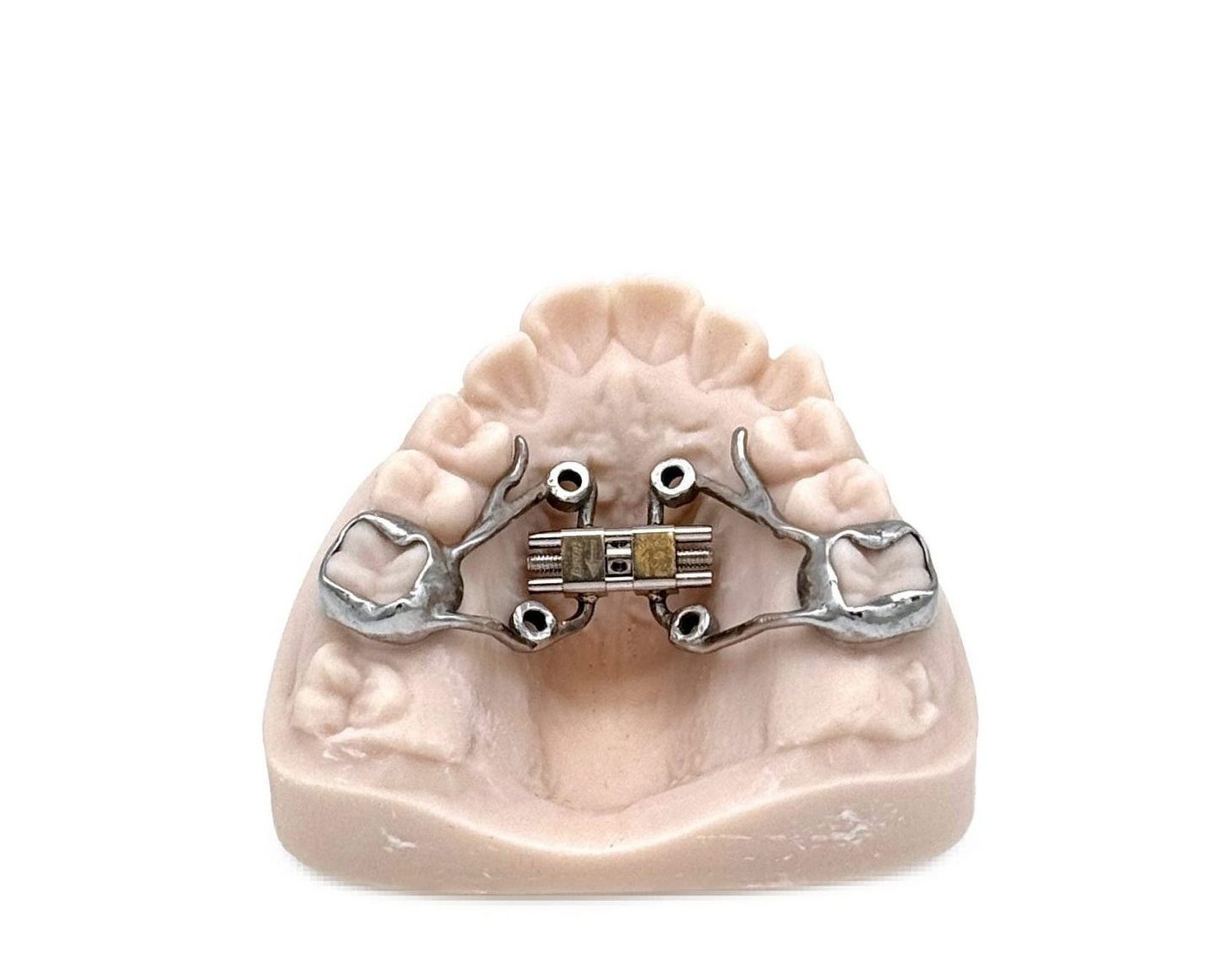
Digital dentistry transforms dental labs by replacing manual workflows with 3D printing, CAD/CAM, and hybrid processes. Labs benefit from faster, more accurate, and cost-efficient dental restorations. This guide highlights key technologies, workflows, and how 2onelab enables fully digital and hybrid solutions.
Key Points in Brief:
- Digital Dentistry: Replaces manual workflows with fully digital processes, speeding up lab operations and improving accuracy.
- Metal 3D Printing: Enables high‑precision, strong, and biocompatible dental restorations directly from digital designs.
- Hybrid Workflow: Combines 3D printing and milling to optimize efficiency, reduce costs, and ensure precise fit.
- 2onelab`s Digital Dental Workflow: Integrates CAD/CAM, 3D printing, and post-processing for streamlined production from start to finish.
What Is Digital Dentistry?
Digital dentistry refers to the use of computer-based tools to improve dental workflows. It replaces traditional manual steps with digital scanning, CAD/CAM design, and production using 3D printing and milling.
This transition results in faster, more precise, and cost-effective processes, benefiting both dental technicians and patients.
Core Components of Digital Dentistry:
- Digital impressions (Intraoral scan, physical impression or, lab scan),
- CAD/CAM design software, 3D printing, milling units,
- and digital treatment planning tools.
These tools work together to streamline production, reduce turnaround times, and ensure consistent, high-quality results.
Metal 3D Printing in Dentistry
3D printing in dentistry has become a key part of modern digital workflows in dental labs. It enables fast and precise production of crowns, bridges, and other restorations directly from CAD designs.
By using 3D printing, labs can:
- Minimize manual labor
- Reduce human error
- Ensure reproducible, high-quality results
Materials like cobalt-chrome and titanium are widely used for their strength and biocompatibility, delivering reliable dental restorations efficiently.
2onelab’s Digital Workflow for Dental Labs
2onelab provides a fully integrated digital dentistry workflow for metal dental restorations using Powder Bed Fusion (PBF).
Watch the video to learn more about 2onelab`s Digital Workflow for dental labs.
This setup allows dental labs to manufacture high-quality metal restorations entirely digitally — faster, cleaner, and more efficiently.
The 2onelab Ecosystem includes:
- CAM software & web monitoring app (2Build & 2Connect)
- Metal 3D printers (2Create / 2Create Plus)
- Post-processing units (heat treatment, polishing)
Benefits of Digital Dentistry for Labs
- Faster Production
Digital workflows reduce waiting times while streamlining and automating laboratory processes. - Higher Accuracy
Enhanced precision through CAD design and digital tools results in better fits and fewer remakes. - Lower Costs
Reduced material waste and fewer manual steps contribute to long-term cost savings.
Hybrid Workflow in Digital Dentistry
A hybrid workflow in digital dentistry combines 3D printing and milling to produce dental prostheses efficiently, affordably, and with high quality. It uses open digital systems to connect both methods smoothly.
Hybrid workflows are especially useful for:
- Implant-supported structures
- Telescopic crowns
- RPD frameworks
2onelab x CIMsystem: The Future of Hybrid Dental Workflows
Make&Mill by CIMsystem and 2onelab create a seamless hybrid workflow, combining 3D printing with precise milling.
This approach is perfect for labs looking to increase production without compromising quality, offering:
- Fast additive manufacturing
- High-precision milling for critical fit areas
- RPD frameworks
- Cost reduction
- Improved output
Conclusion – Why Go Digital?
Embracing digital dentistry helps labs of all sizes stay competitive. Whether you’re exploring what digital dentistry is or already using some digital tools, moving toward fully digital workflows — including 3D printing and hybrid workflows — brings clear advantages:
- Shorter lead times
- Consistent quality
- Greater flexibility
- Lower production cost
With 2onelab’s complete system, your lab can digitize production from scan to finish — efficiently, reliably, and affordably!
FAQ: Digital Dentistry
What Is Digital Dentistry?
Digital dentistry uses computer-based tools to streamline and enhance dental workflows. Labs and technicians work with scans, CAD designs, and CAM production—including 3D printing and milling—to create faster, precise, and reproducible restorations.
What Is 3D Printing in Dentistry?
3D printing in dentistry enables the production of highly precise, customized restorations in a short time. Metal-based 3D printing, particularly with cobalt-chrome and titanium, has become standard in modern dental labs.
Examples: RPDs, RPEs, crowns and bridges
What Are the Advantages of Digital Dentistry?
Advantages of digital dentistry for labs
– Faster Production: Speeds up workflows and cuts waiting times.
– Improved Accuracy: Precise CAD designs ensures better-fitting restorations and fewer adjustments.
– Cost Savings: Minimizes material waste and manual labor, leading to long-term savings.
– Flexible Compatibility: Open STL files work seamlessly across different systems.
What Does the 2onelab Digital Workflow Include?
The 2onelab digital workflow covers all steps from design to final polished restoration: 3D printing, heat treatment, and polishing. The ecosystem includes 2Create/2Create Plus printers, 2Build CAM software, 2Connect.
What Is a Hybrid Workflow in Digital Dentistry?
A hybrid workflow combines 3D printing and milling to produce dental prostheses with higher efficiency, precision, and cost-effectiveness. Open digital systems integrate both technologies through standardized interfaces, enabling scalable, automated, and high-quality production.
Further links:
Author: Markus Wolf
Passionate about 3D printing, while being
CTO and Co-Founder of 2onelab.